Versatile power stations
Our selection
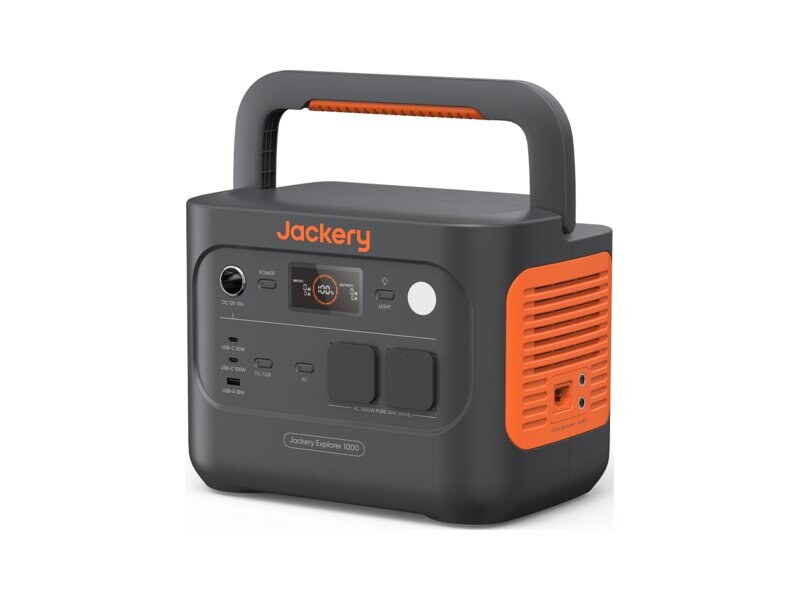
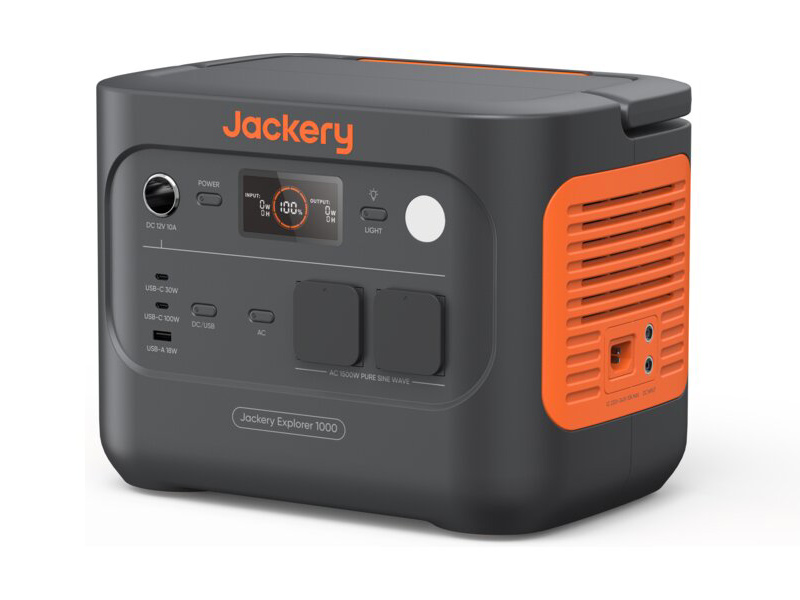
Jackery Explorer 1000 v2
See price and availability (30)
1070Wh and 1500W in a compact, lightweight station: enough to run a fridge, a kettle or all your devices, camping or during a power cut.
- Capacity: 1070Wh (LiFePO4 battery)
- Power: 1500W continuous, 3000W peak
- Outputs: 2 AC outlets, 1 USB-C 100W + 1 USB-C 30W, 1 USB-A, 1 car socket
- Recharge: Full in 1h (emergency mode), 400W max solar
- 1500W and 1-hour recharge in just 10.8 kg
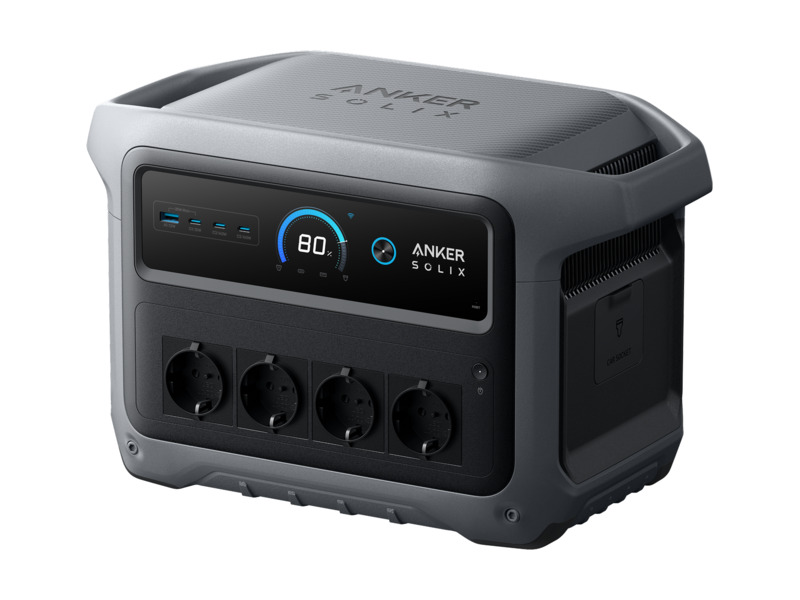
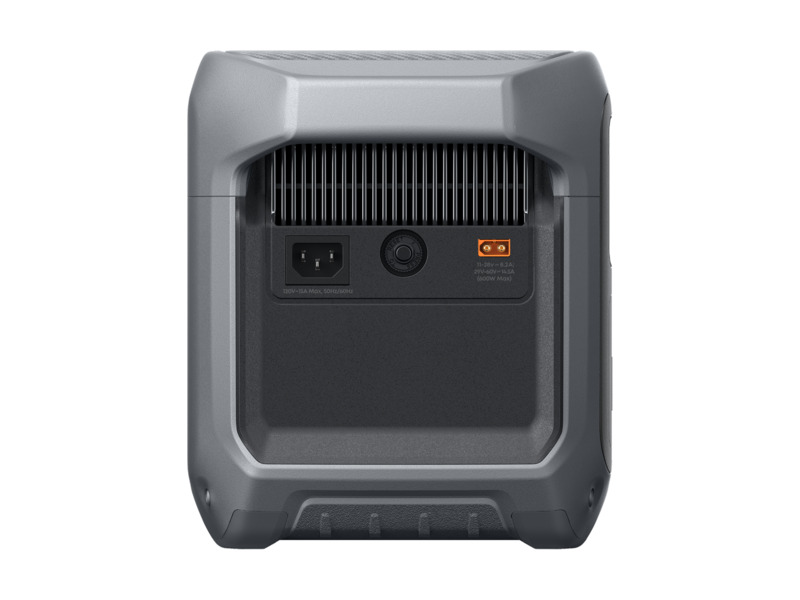
Anker Solix C1000
See price and availability (23)
With 1024 Wh, 2000 W output and a full recharge in 49 minutes via HyperFlash, the Anker Solix C1000 Gen 2 is one of the fastest-charging stations on the market.
- Capacity: 1024 Wh (LFP battery, 4000 cycles)
- AC output: 2000 W, up to 3000 W peak, 4 AC outlets
- Recharge: 0 to 100% in 49 min via HyperFlash, solar up to 600 W
- Lifespan: 4000 LFP cycles, about 10 years, 5-year warranty
- Full recharge in 49 min, the fastest in its class
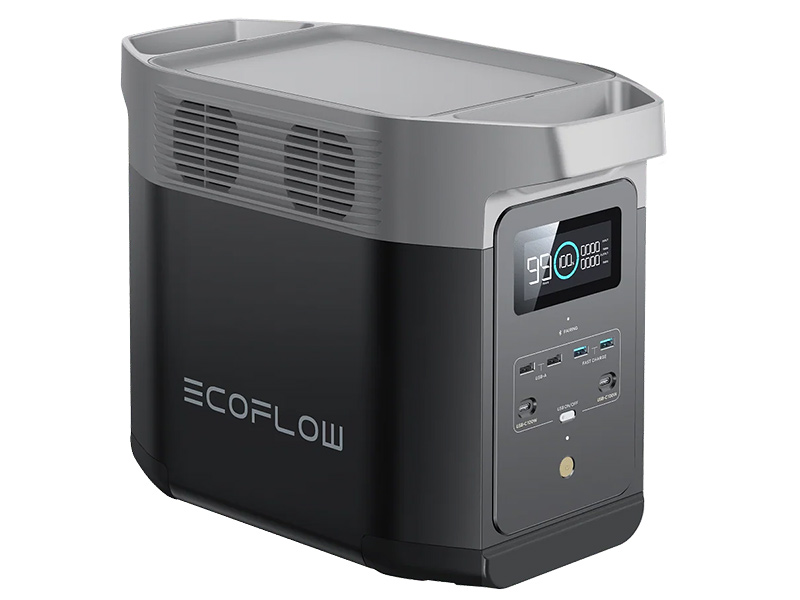
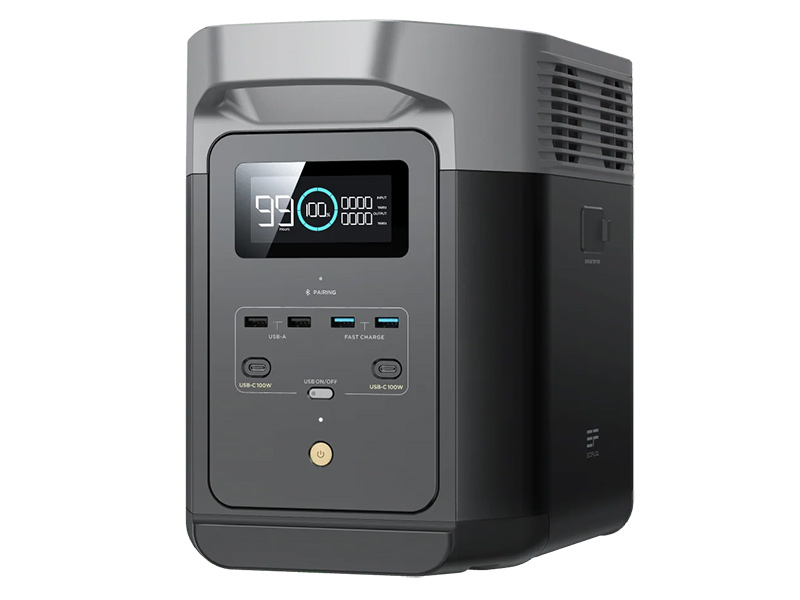
EcoFlow Delta 2
See price and availability (21)
With 1024 Wh expandable to 3 kWh, 1800 W output and a 0-80% recharge in 50 minutes, the EcoFlow Delta 2 powers almost all your devices, at home or off-grid.
- Capacity: 1024 Wh, expandable up to 3040 Wh (LFP battery)
- AC output: 1800 W, 2400 W with X-Boost, 2700 W surge
- Recharge: 0 to 80% in 50 min on mains, solar up to 500 W
- Weight: 12 kg (400 x 211 x 281 mm)
- 0-80% recharge in 50 min, expandable up to 3 kWh
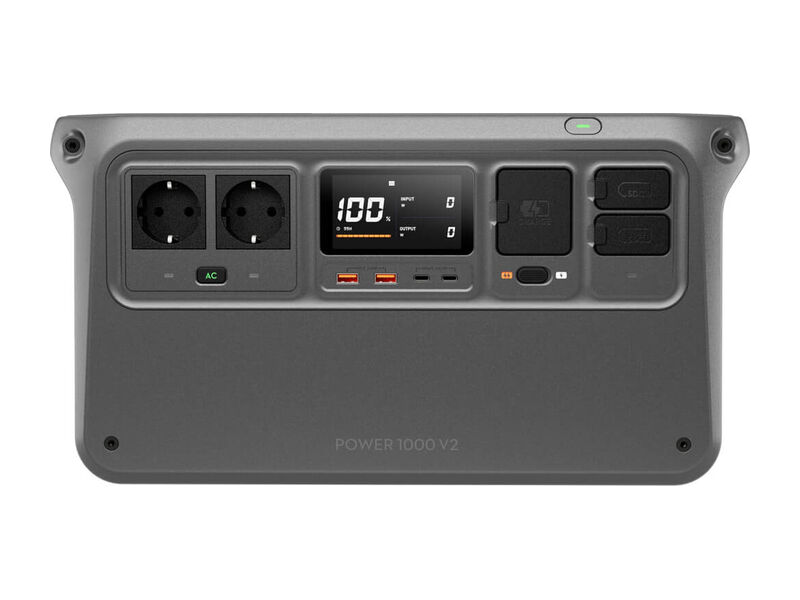
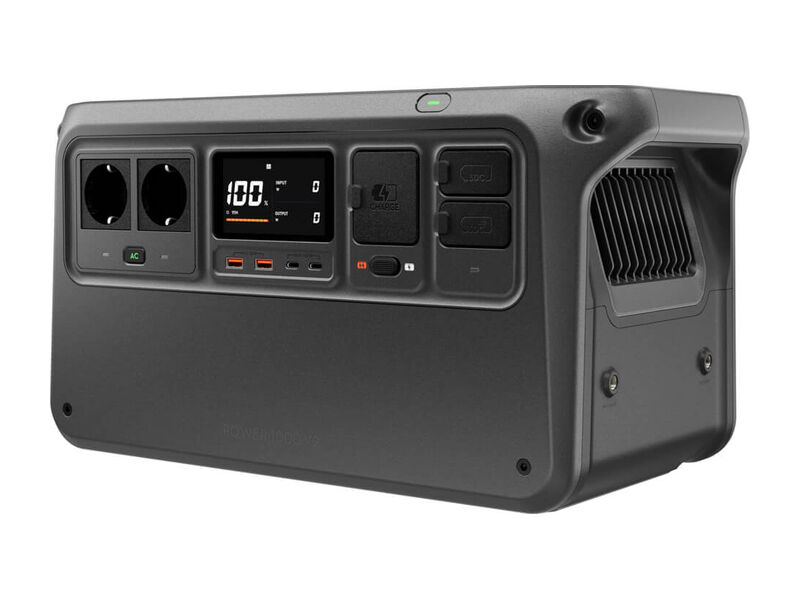
DJI Power 1000 V2
See price and availability (19)
More powerful and faster: the DJI Power 1000 V2 delivers 2600W from 1024Wh and recharges to 80% in 37 minutes. The next-gen station for nomadic creators.
- Power: 2600W continuous
- Capacity: 1024Wh LiFePO4
- Recharge: 0 to 80% in 37 min
- UPS: 10ms switchover
- 2600W, lightning recharge and WiFi monitoring via the app
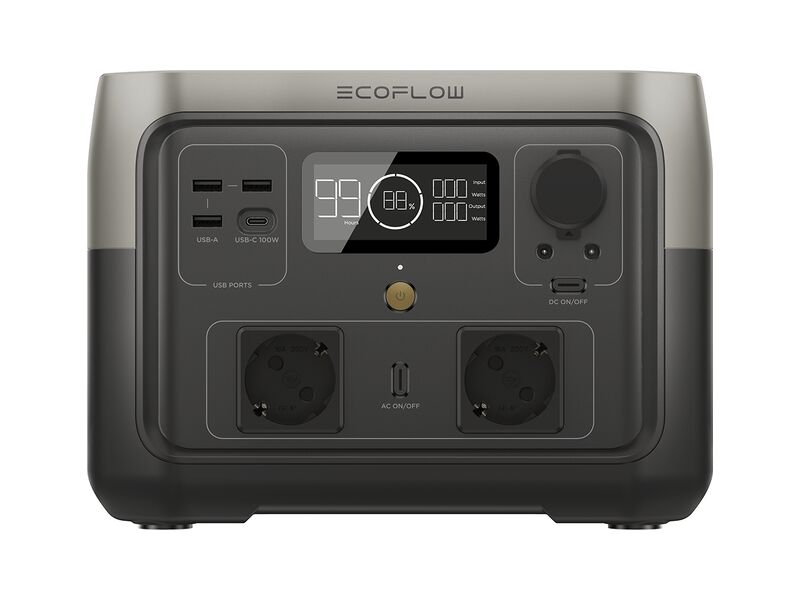
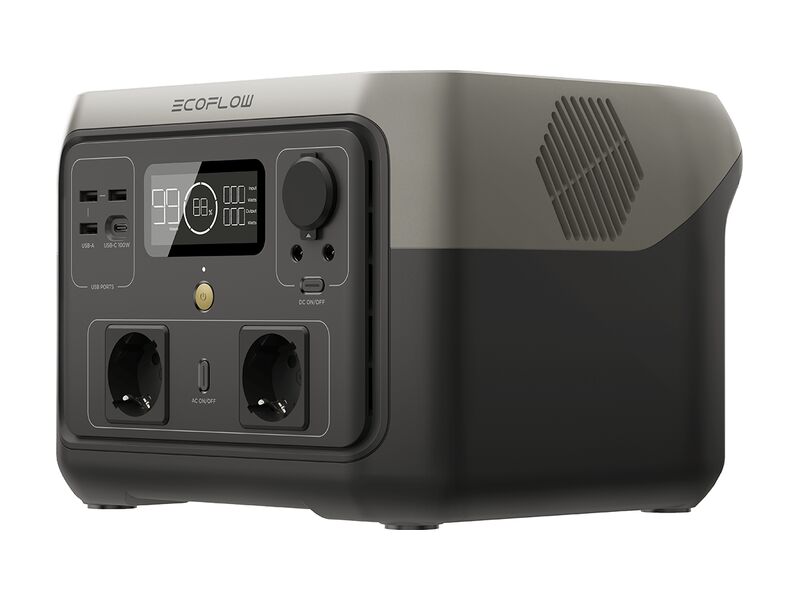
EcoFlow River 2 Max
£449.00 (16)
512Wh, 500W and only 6.1 kg: the compact station that recharges 0 to 100% in one hour and powers 80% of your essential devices thanks to X-Boost.
- Capacity: 512 Wh (LiFePO4, TÜV certified)
- Output: 500W (X-Boost up to 1000W)
- Recharge: 0 to 100% in 60 min (mains)
- Weight: 6.1 kg, Bluetooth/Wi-Fi app
- 512Wh, 1000W X-Boost, 6.1 kg
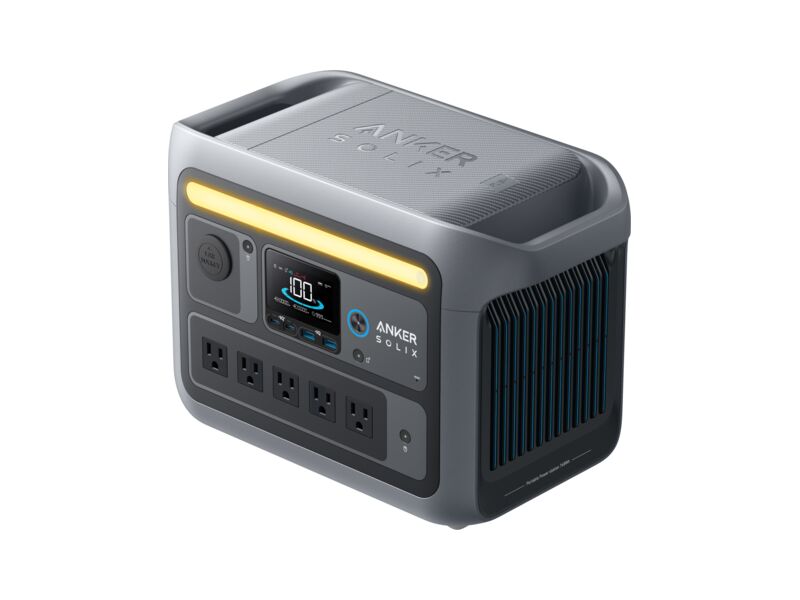
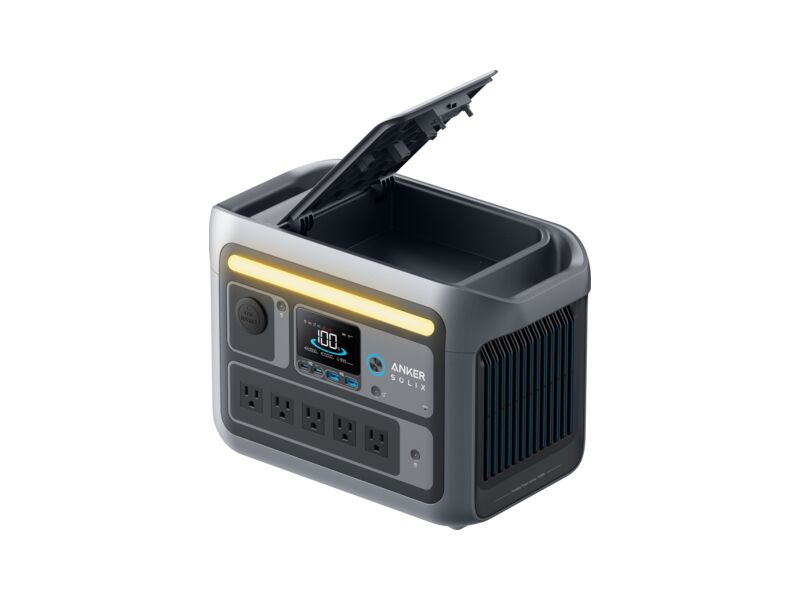
Anker Solix C800
See price and availability (15)
768 Wh, 1200 W (1600 W peak) and five AC outlets: the Anker Solix C800 recharges fully in 58 minutes and switches to UPS mode in under 20 ms.
- Capacity: 768 Wh (LiFePO4, 3000 cycles)
- AC output: 1200 W, up to 1600 W peak, 5 AC outlets
- Recharge: 0 to 100% in 58 min, solar up to 300 W
- UPS: Switches to battery in under 20 ms
- Five AC outlets and a full recharge in 58 minutes
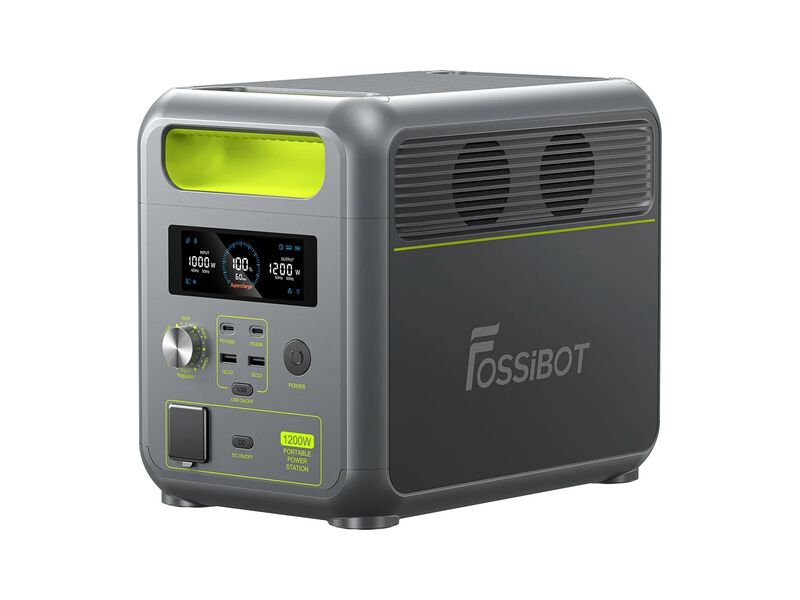
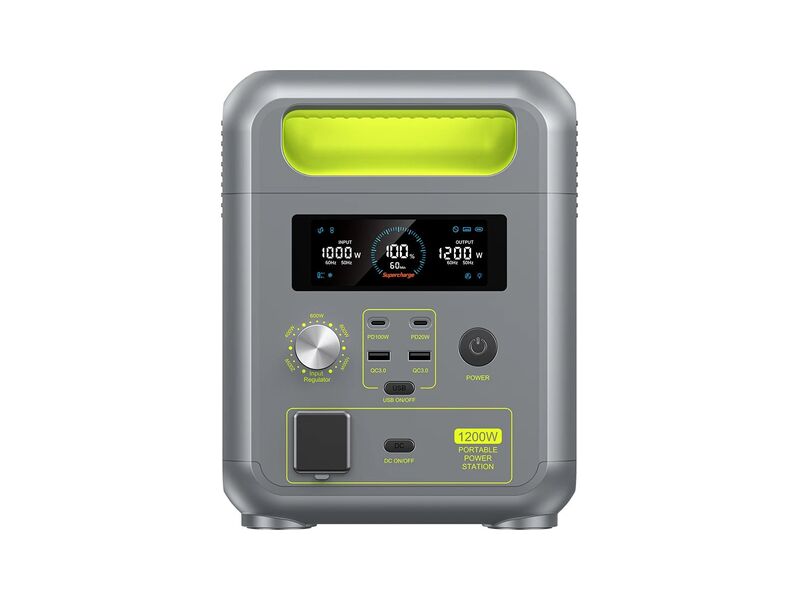
Fossibot F1200
See price and availability (12)
With 1024Wh, 1200W continuous output and a 0-80% recharge in just 49 minutes, the Fossibot F1200 keeps things simple, no app, no Bluetooth.
- Capacity: 1024Wh (LiFePO4 battery)
- Power: 1200W continuous, 2400W peak
- Recharge: 0-80% in 49 min (1000W mains)
- Weight: 11.5kg
- 0-80% recharge in 49 min, no app or Bluetooth
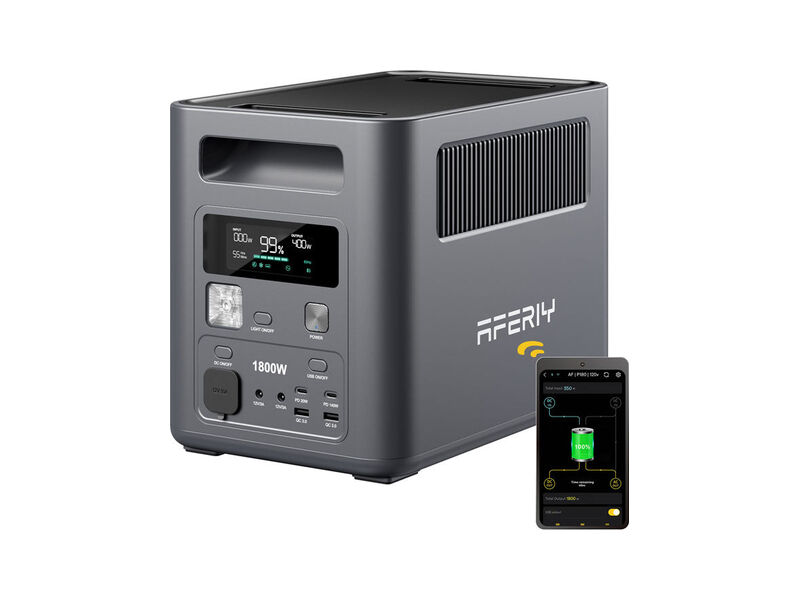
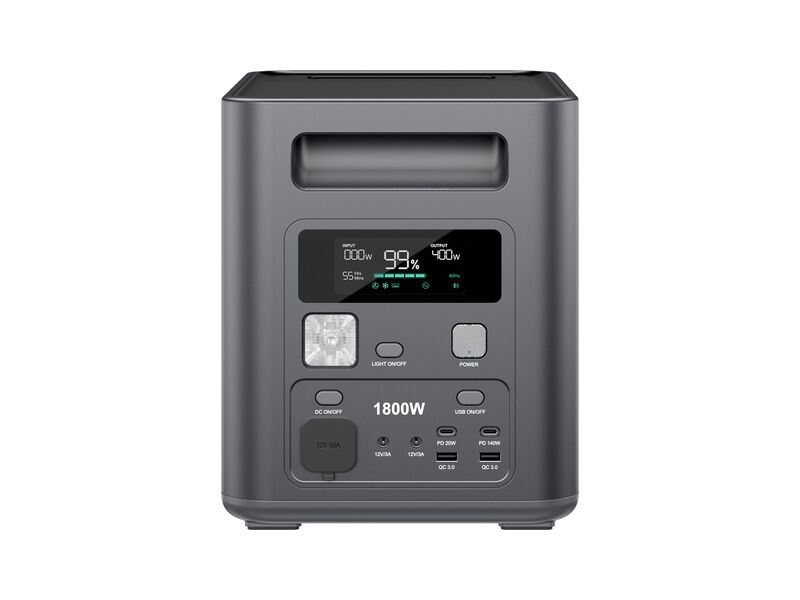
Aferiy P180
See price and availability (12)
With 1024 Wh, 1800 W (up to 3600 W peak), a 90% recharge in 60 minutes and just 11.6 kg, the Aferiy P180 aims for lightweight versatility.
- Capacity: 1024 Wh (LiFePO4 battery, 4000 cycles)
- AC output: 1800 W, up to 3600 W peak, pure sine wave
- Recharge: 90% in 60 min on mains (1000 W), 500 W solar
- Weight: 11.64 kg, 348 x 220 x 264 mm
- 1800 W for just 11.6 kg, 7-year warranty
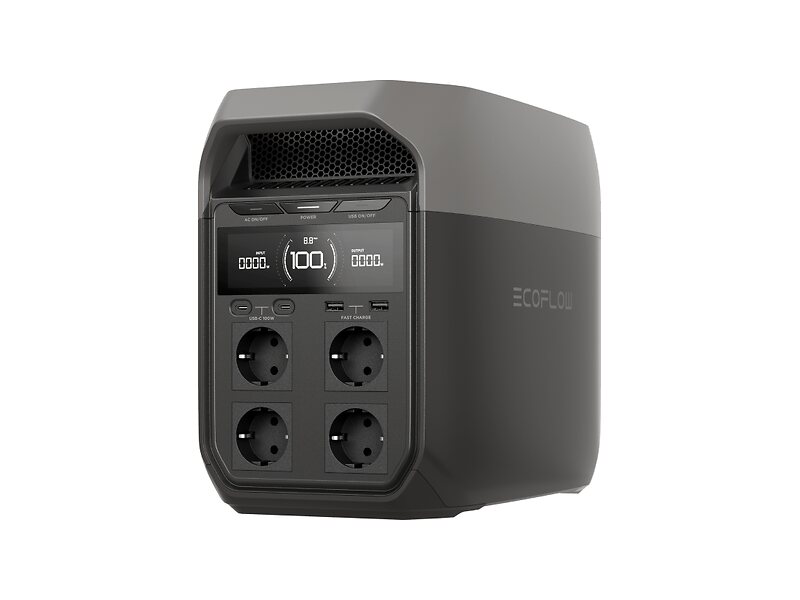
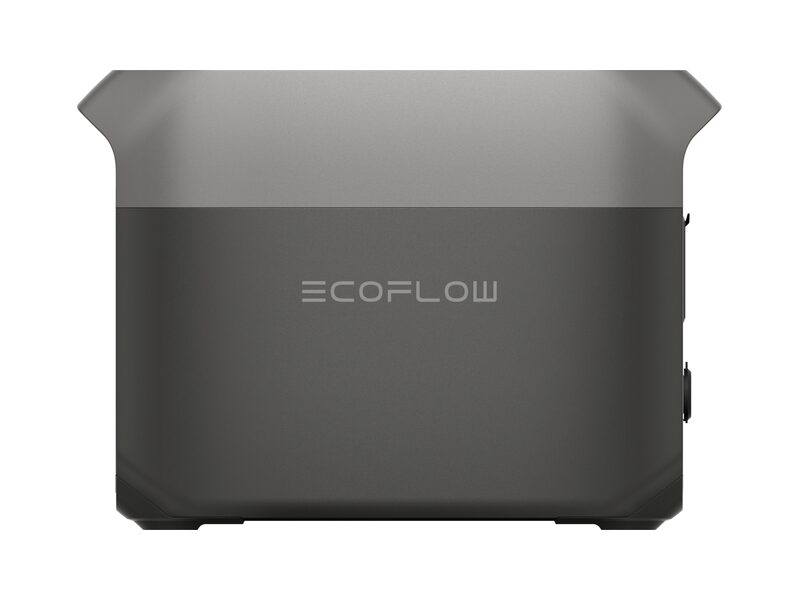
EcoFlow Delta 3
£649.00 (9)
1024Wh, 1800W output and a full recharge in under an hour: the versatile station that powers 90% of your devices, at home and while camping.
- Capacity: 1024 Wh (LiFePO4, 4000 cycles)
- Output: 1800W (X-Boost up to 2400W)
- Recharge: 0 to 100% in 56 min (mains)
- Expandable: From 1 to 5 kWh (add-on batteries)
- 1024Wh, 1800W, recharge in 56 min
DJI Power 1000 Mini
See price and availability (9)
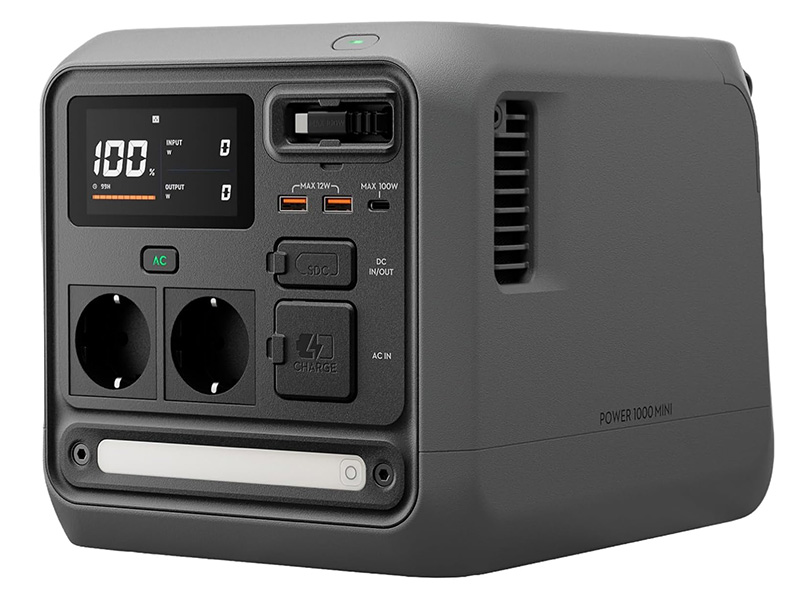
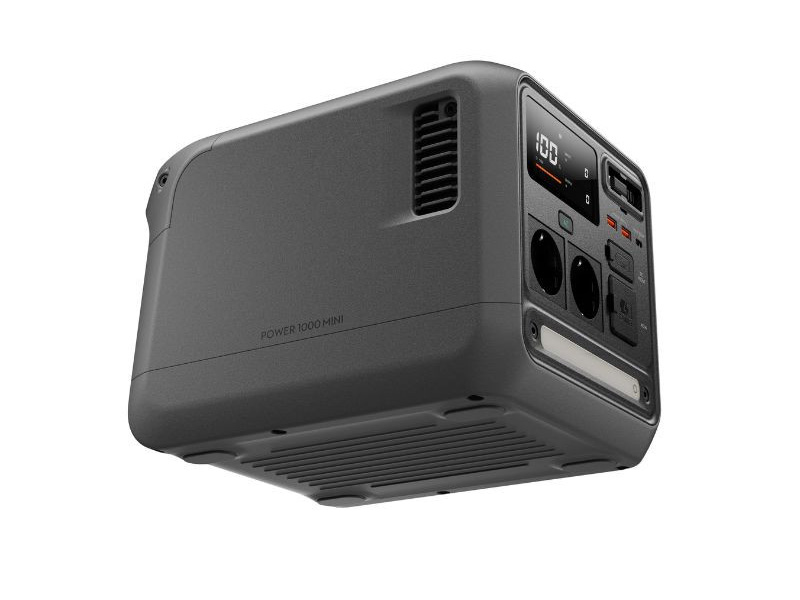
1 kWh in 11.5 kg: DJI squeezes a genuine 800 W station into a format half the size, with 80% charge in under an hour.
- Capacity: 1008 Wh (LiFePO4, 4000 cycles)
- Power: 800 W continuous (1000 W peak)
- Recharge: 80% in 58 min, 400 W solar
- Weight: 11.5 kg (314 x 212 x 216 mm)
- 1 kWh in 11.5 kg, retractable 100 W USB-C
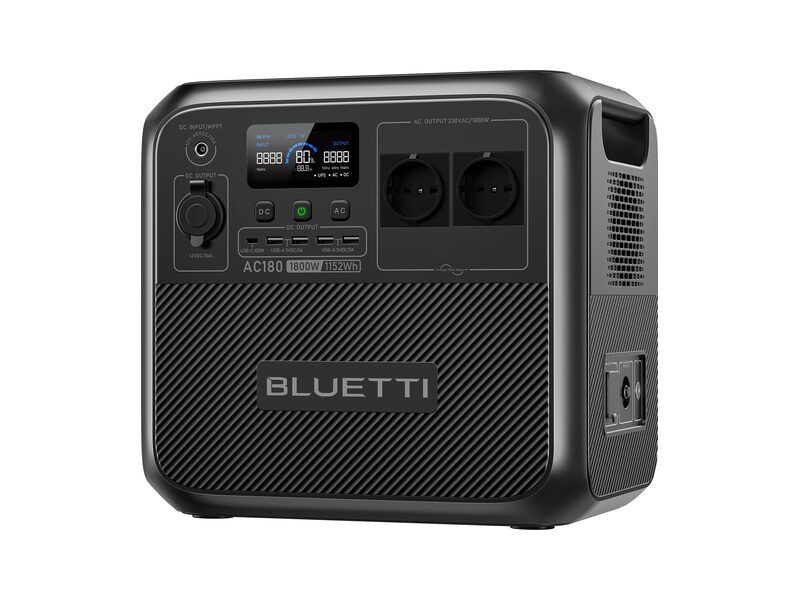
Bluetti AC180
See price and availability (9)
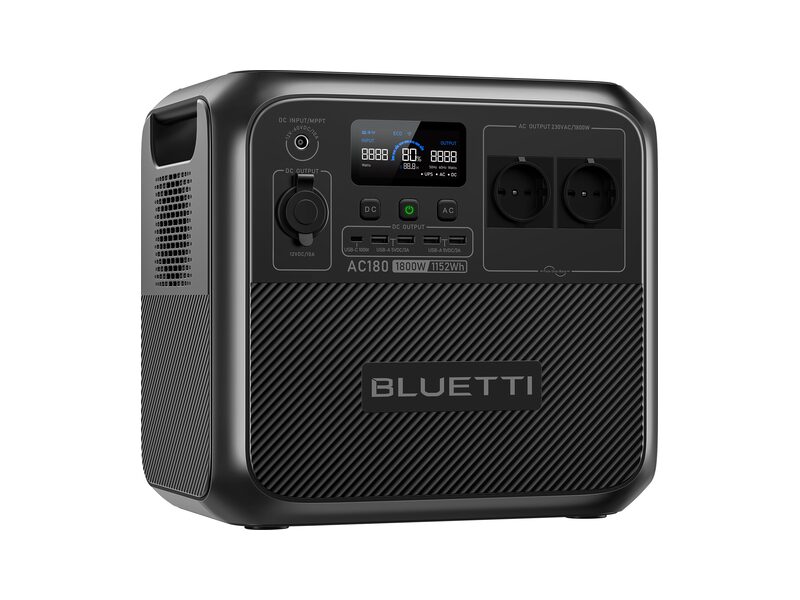
1152Wh and 1800W in a portable format: the versatile power station that runs almost anything and recharges to 80% in 45 minutes. Camping, van and home backup.
- Capacity: 1152 Wh (LiFePO4)
- Power: 1800 W (2700 W Power Lifting)
- Recharge: 0-80% in 45 min (mains)
- Outputs: 9 outputs (2 AC, USB-C 100W, 4 USB-A, 12V)
- 1152Wh, 1800W, 80% in 45 min
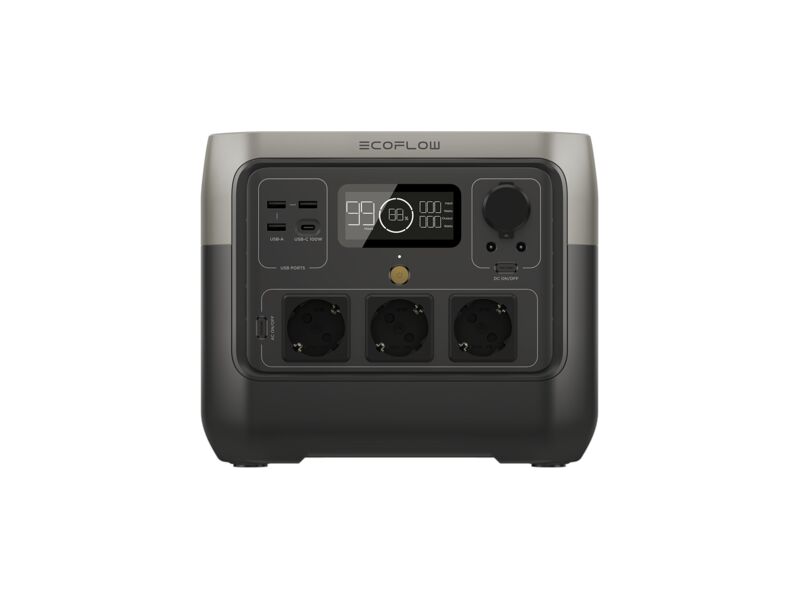
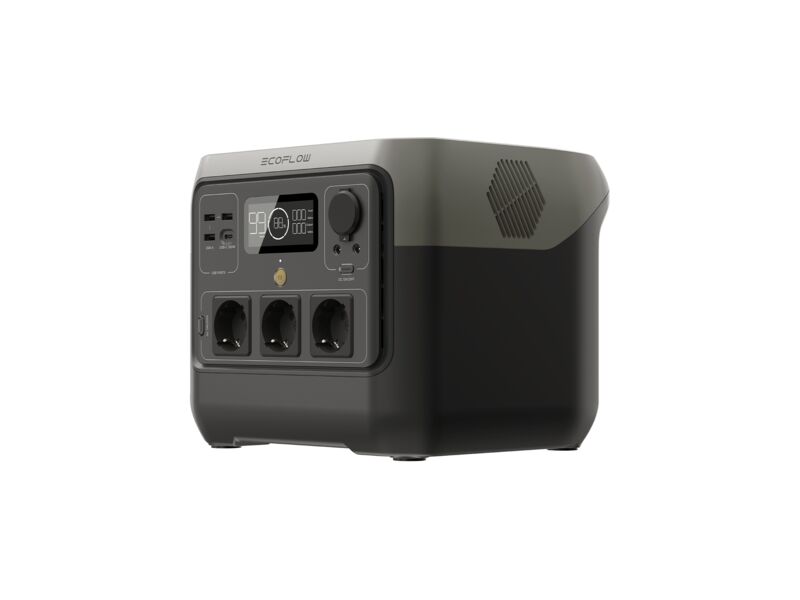
EcoFlow River 2 Pro
£499.00 (9)
Powerful, quick to recharge and generous with sockets, the 768 Wh EcoFlow River 2 Pro follows you from camping to home-office backup.
- Capacity: 768 Wh
- Power: 800 W (1600 W X-Boost)
- Recharge: 0 to 100% in 70 min from mains
- Weight: 7.8 kg
- Full recharge in 70 min, 768 Wh and 3 AC sockets
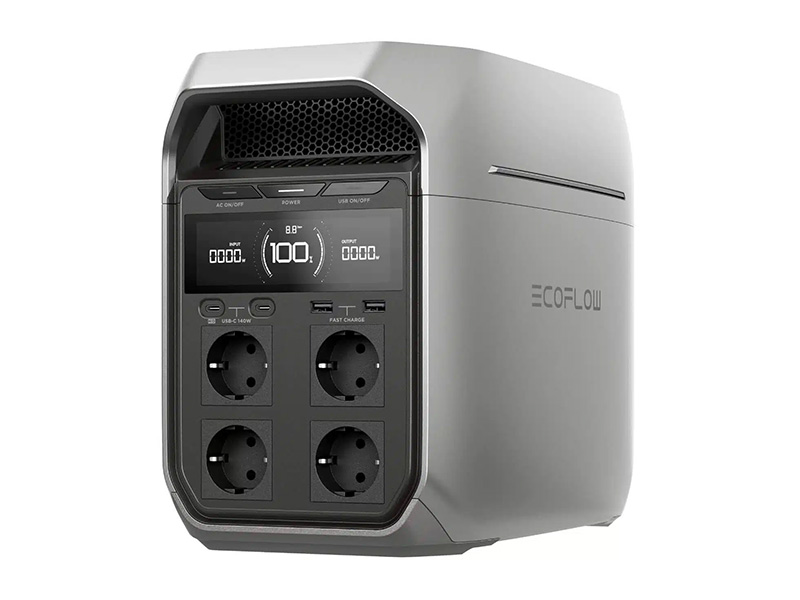
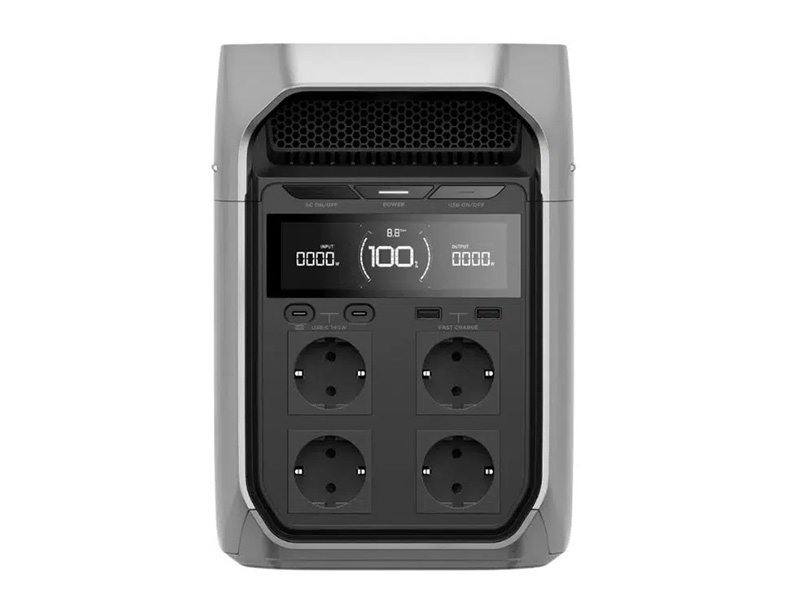
EcoFlow Delta 3 Plus
£649.00 (8)
The Delta 3 with the works: dual 1000 W solar input, 140 W USB-C and an advanced inverter, in a 1024 Wh station expandable to 5 kWh.
- Capacity: 1024 Wh (LiFePO4, 4000 cycles)
- Output: 1800 W (X-Boost 2400 W)
- Solar: Dual MPPT up to 1000 W
- Recharge: 0 to 100% in 56 min (mains)
- Dual 1000 W solar, 140 W USB-C, NAS-ready UPS
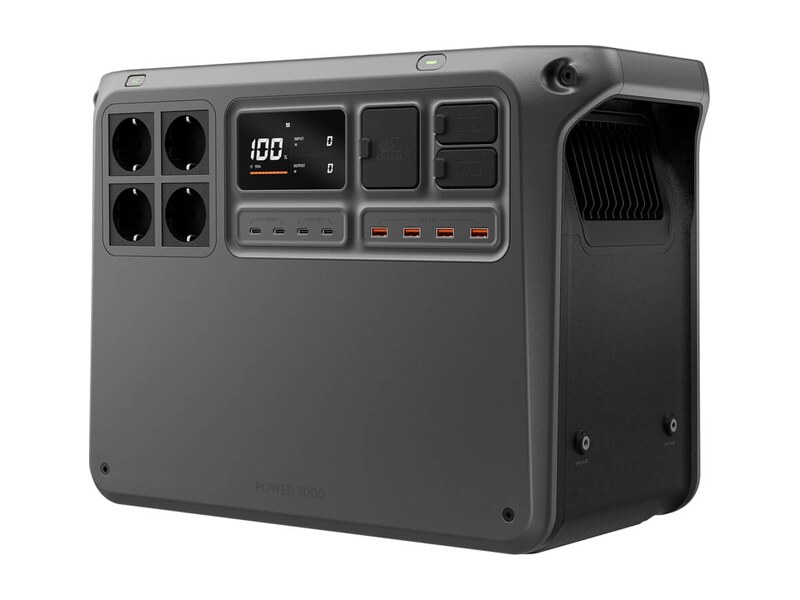
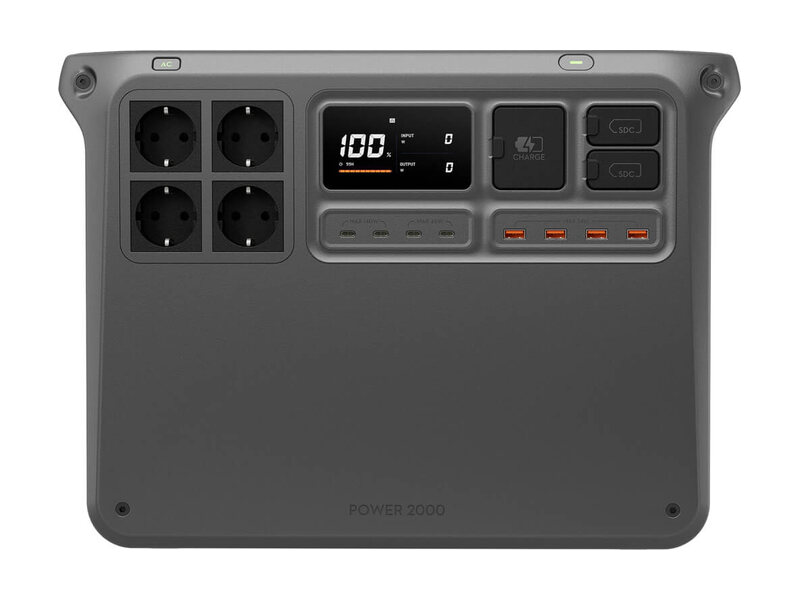
DJI Power 2000
See price and availability (8)
With 2048 Wh expandable, 3000 W output, a 0-80% recharge in 45 min and near-silent operation, the DJI Power 2000 targets the most demanding uses.
- Capacity: 2048 Wh, expandable beyond 22 kWh (LFP battery)
- AC output: 3000 W stable, 4 AC outlets, pure sine wave
- Recharge: 0 to 80% in 45 min from the mains, solar up to 1200 W
- Comfort: Near-silent (under 29 dB), 10 ms UPS function
- 3000 W and 0-80% recharge in 45 min, near-silent
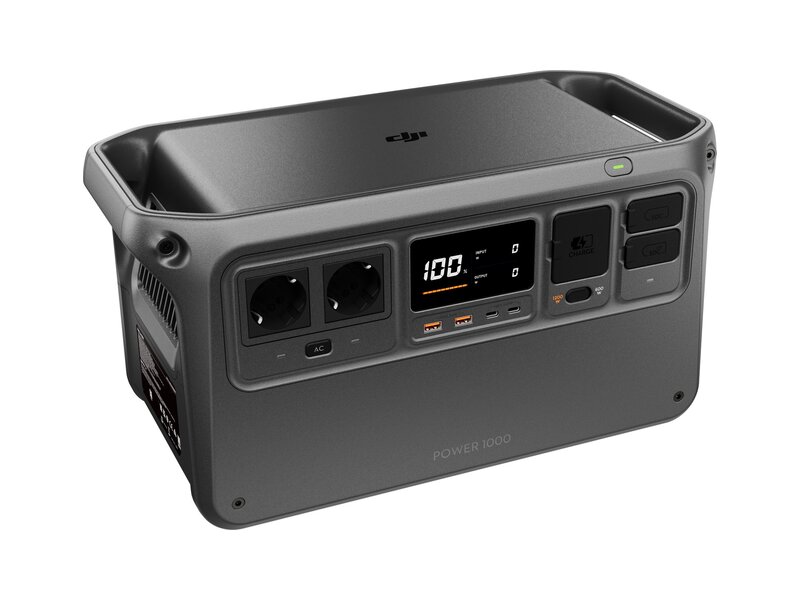
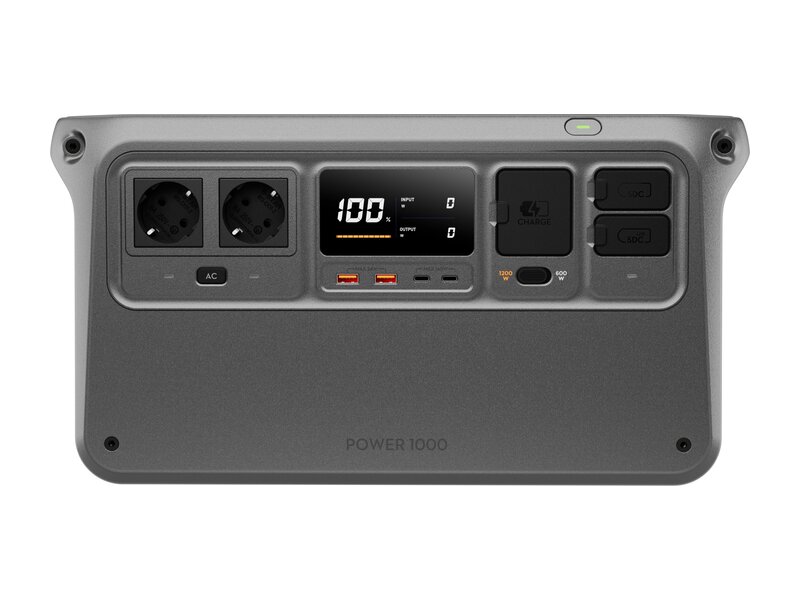
DJI Power 1000
See price and availability (8)
Powerful and quiet: the DJI Power 1000 delivers 2200W from 1024Wh, recharges to 80% in 50 minutes and stays under 23 dB. The ideal power station for nomadic creators.
- Power: 2200W continuous (4400W surge)
- Capacity: 1024Wh LiFePO4
- Recharge: 0 to 80% in 50 min
- Noise: 23 dB (ultra-quiet)
- 2200W quiet, USB-C 140W and DJI SDC charging
Goal Zero Yeti 1000X
See price and availability (7)
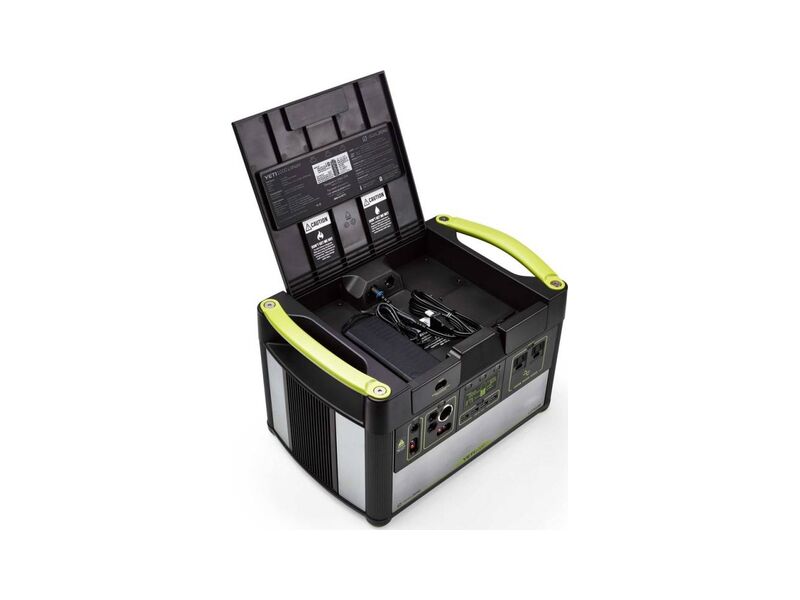
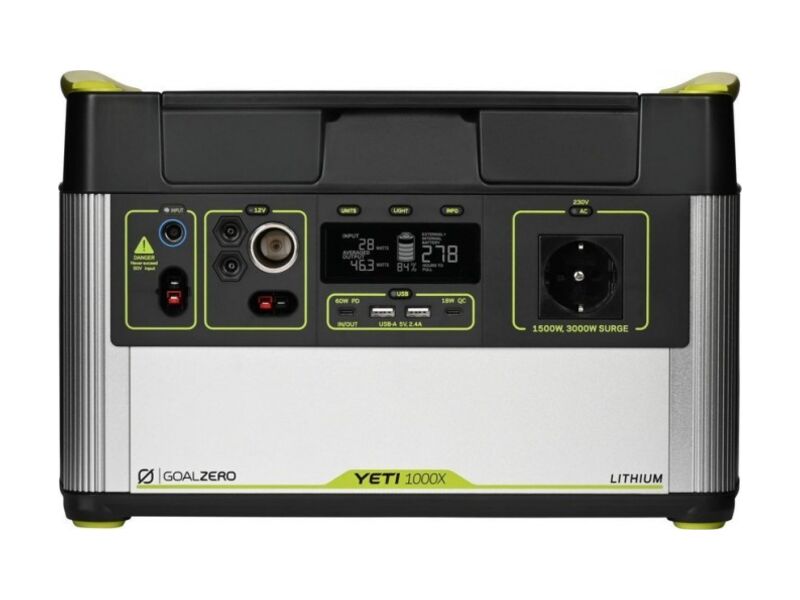
983Wh and 1500W (3000W peak): the Yeti 1000X bets on versatility for home backup, van life and job sites, NMC chemistry included.
- Capacity: 983Wh (Li-ion NMC)
- Power: 1500W (3000W peak)
- Cycles: 500 cycles at 80% (vs 3000-4000+ for LFP)
- Weight: 14.37kg
- Compact, versatile build, NMC chemistry to keep in mind
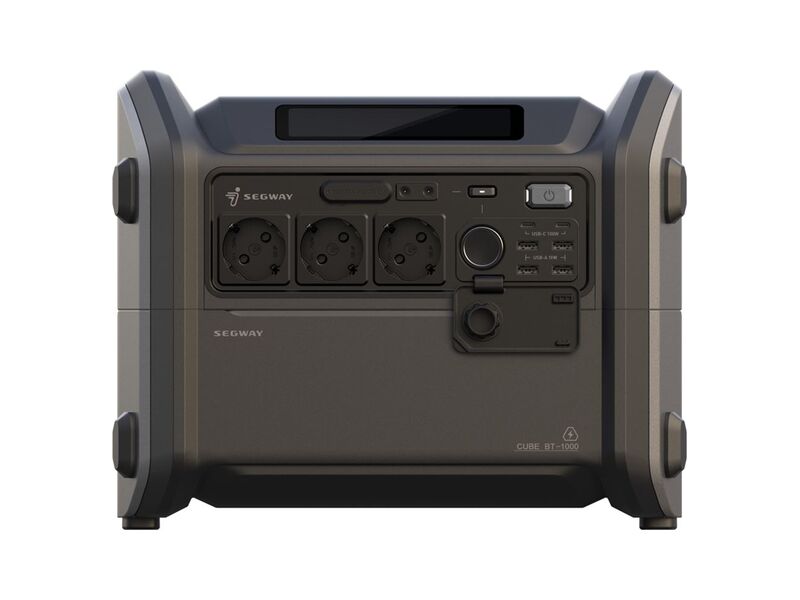
Segway Cube 1000
£756.85 (7)
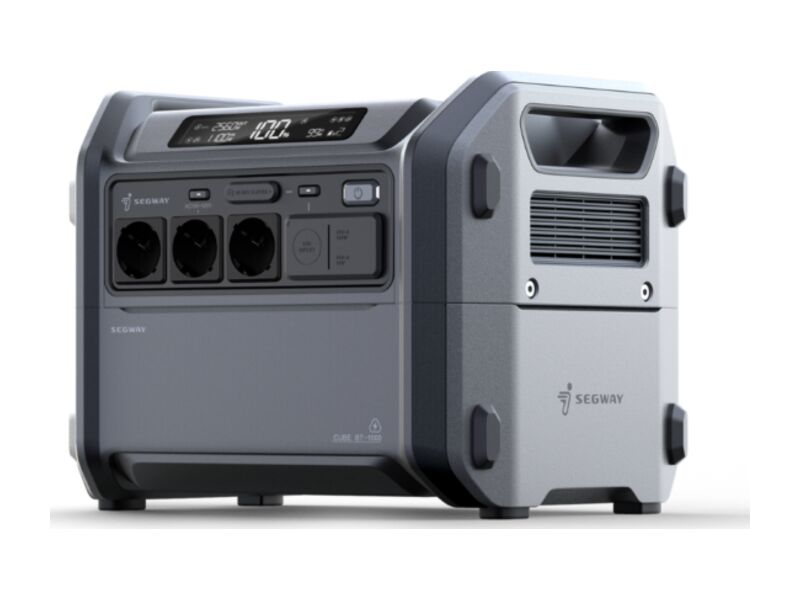
Expandable from 1024 Wh to 5120 Wh with cable-free add-on batteries, plus 2200 W continuous and 4400 W peak: the Segway Cube 1000 grows with your power needs.
- Capacity: 1024 Wh, expandable up to 5120 Wh (LFP battery)
- Power: 2200 W continuous, 4400 W peak (R-Drive)
- Recharge: 0 to 100% in 1h12 on mains, up to 800 W solar
- Weight: 16.2 kg, IP56 (battery), 5-year warranty
- Expandable to 5120 Wh cable-free, 30 ms UPS
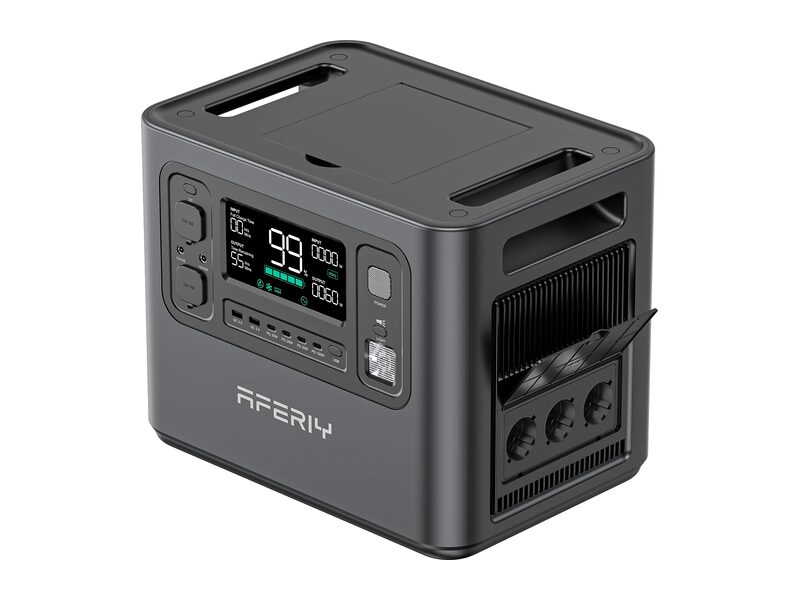
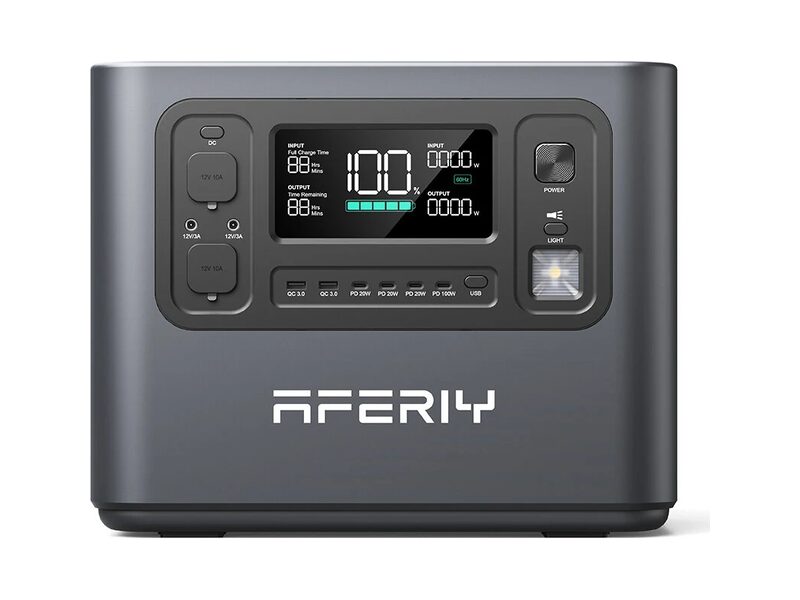
Aferiy P210
See price and availability (7)
With 2048 Wh, 2400 W (up to 4800 W peak), a LiFePO4 battery and a 7-year warranty, the Aferiy P210 targets the best capacity-to-price ratio on the market.
- Capacity: 2048 Wh (LiFePO4 battery, 4000 cycles)
- AC output: 2400 W, up to 4800 W peak, pure sine wave
- Connectivity: 3 AC outlets, 4 USB-C (100 W), 2 USB-A, XT60, DC
- Warranty: 7 years, UPS function (under 10 ms switchover)
- 2048 Wh and a 7-year warranty at an aggressive price
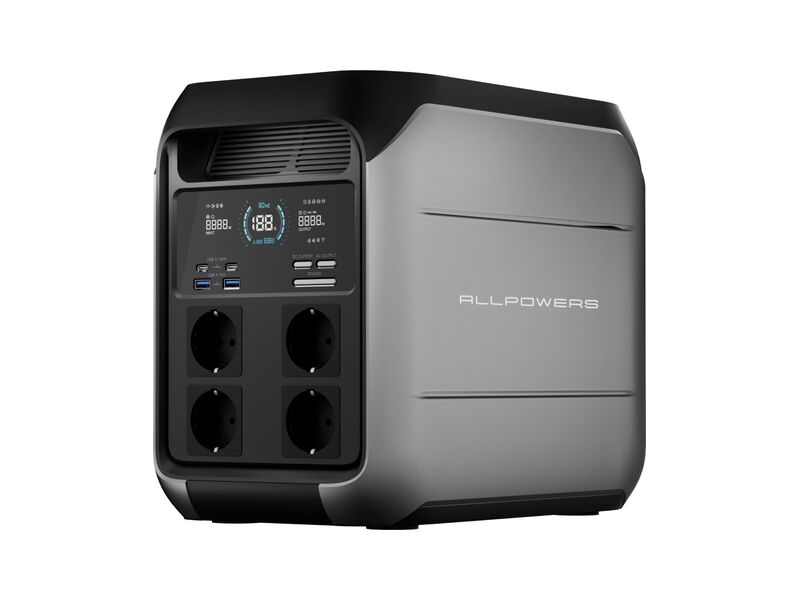
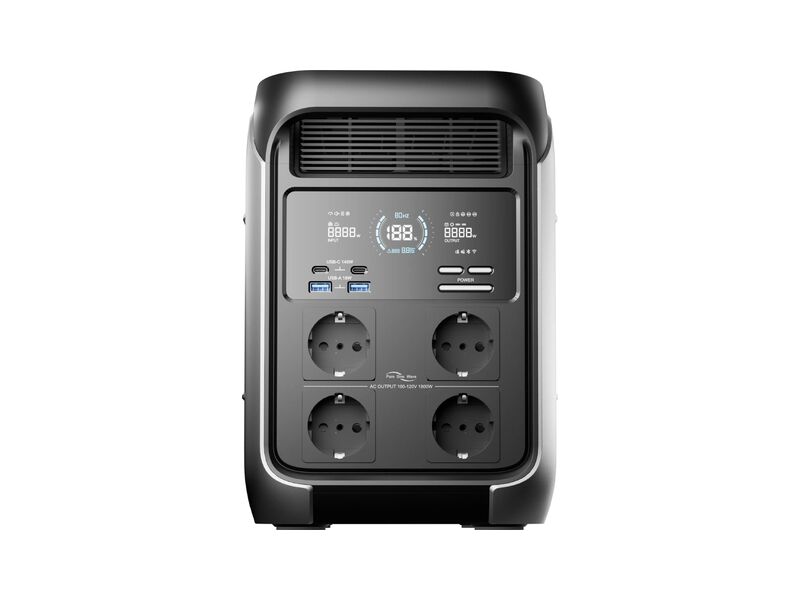
Allpowers P1800
£494.95 (6)
A 1 kWh LiFePO4 power station with plenty of punch, fast mains recharging and quiet running: a smart pick for campervans, camping trips and power cuts.
- Capacity: 1024 Wh, LiFePO4 battery (4000 cycles claimed)
- Power: 1800 W continuous, 3600 W peak, 4 AC sockets
- Recharge: Mains up to 1200 W, solar up to 650 W, car socket
- Outputs: 2 USB-C 140W, 2 USB-A 18W, 12V 120W socket
- 1 kWh, 1800 W and 140 W USB-C in just 13 kg
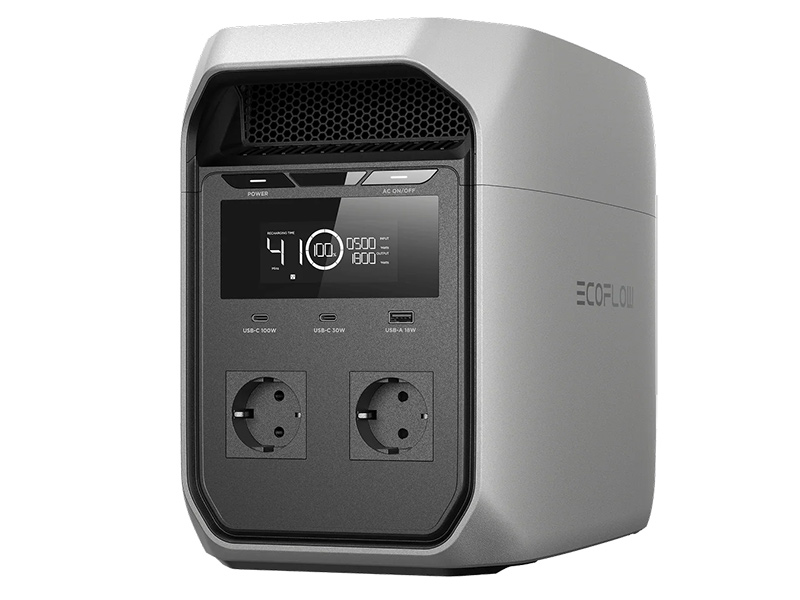
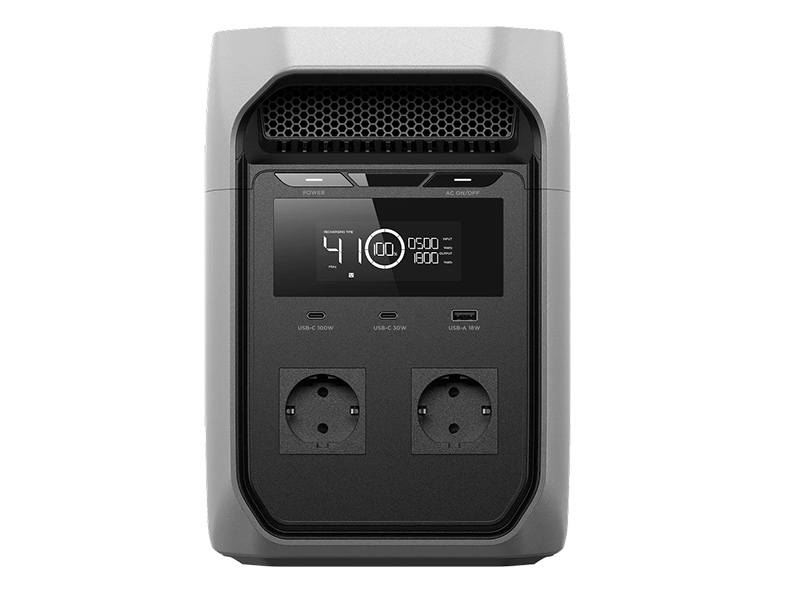
EcoFlow Delta 3 Classic
£499.00 (6)
EcoFlow's most affordable portable power station: the power of the Delta 3 range, now lighter, quieter and easier on your wallet.
- Capacity: 1024 Wh, LFP (LiFePO4) battery
- AC output: 1800 W, 2400 W with X-Boost, 3600 W surge
- Recharge: 0 to 80% in 45 min on mains, solar up to 500 W
- Battery life: 4000 LFP cycles (10 years+), 5-year warranty
- 1 kWh, near-silent (<30 dB) and the cheapest in the range
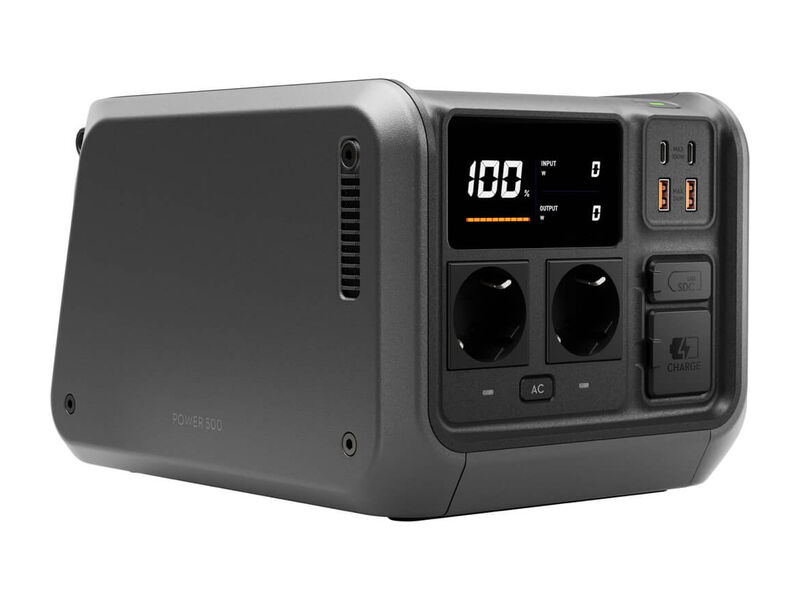
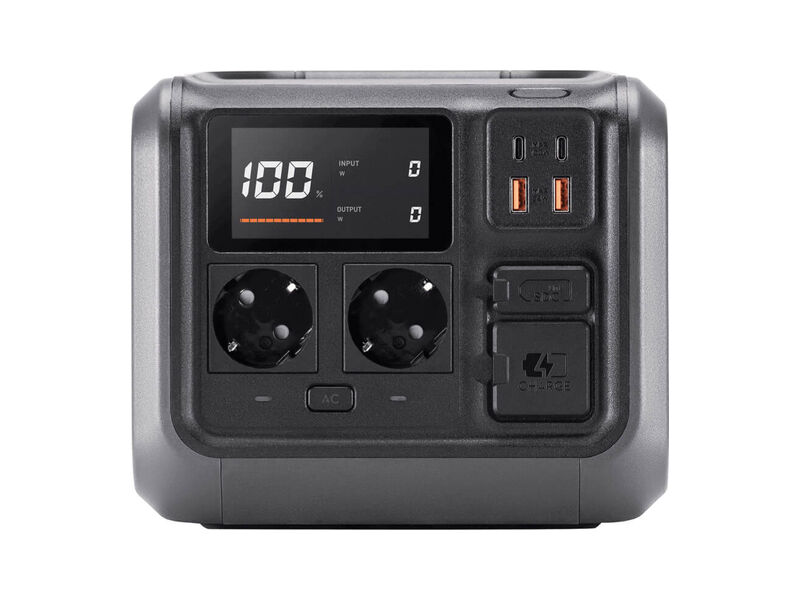
DJI Power 500
£349.00 (6)
Compact and light (7.3kg), the DJI Power 500 delivers 1000W from 512Wh and recharges to 80% in just 50 minutes. The nomadic companion for creators and travellers.
- Power: 1000W continuous
- Capacity: 512Wh LiFePO4
- Recharge: 0 to 80% in 50 min
- Weight: Just 7.3kg
- Ultra-compact, light and fast to recharge
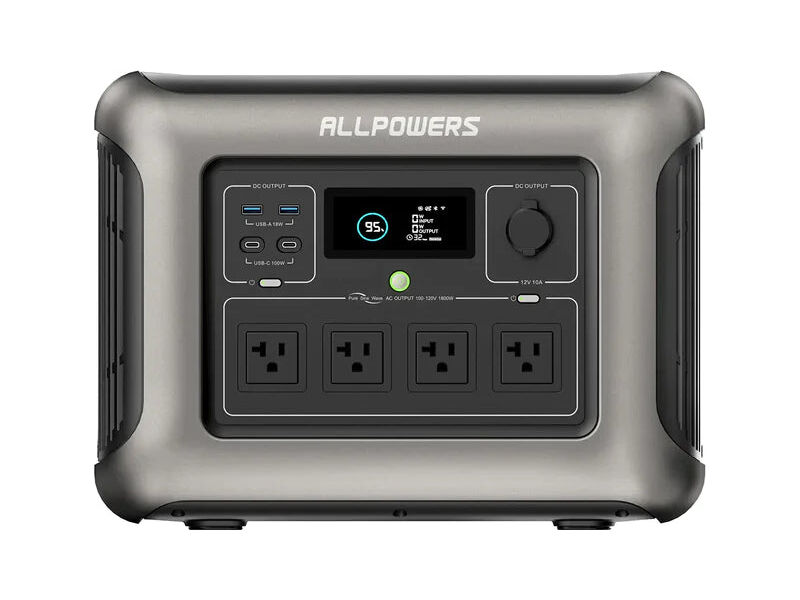
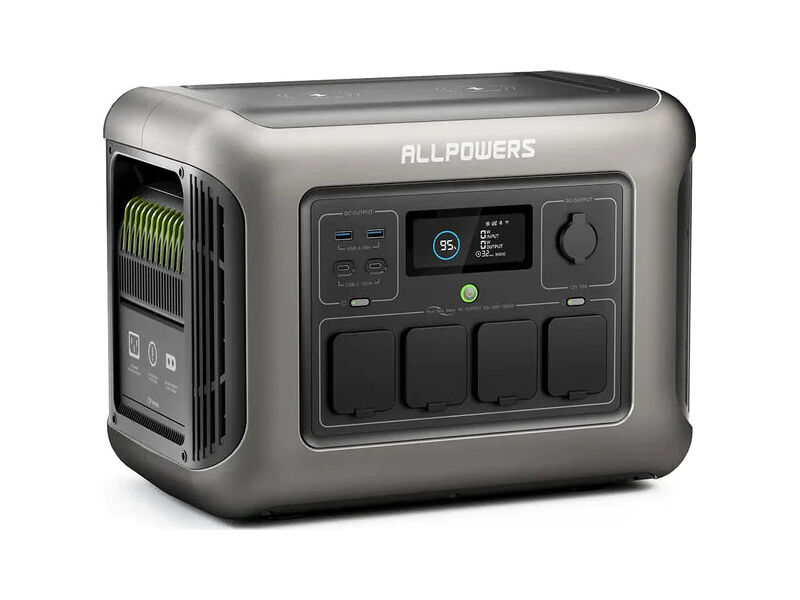
Allpowers R1500
See price and availability (6)
Powerful (1800 W), long-lasting (1152 Wh, expandable) and recharged to 80% in 45 minutes, the Allpowers R1500 can run almost the whole house.
- Capacity: 1152 Wh (expandable with B1000)
- Power: 1800 W (3000 W peak)
- Recharge: 0 to 80% in about 45 min from mains
- Weight: 16.7 kg
- 1800 W, expandable 1152 Wh and 80% recharge in 45 minutes
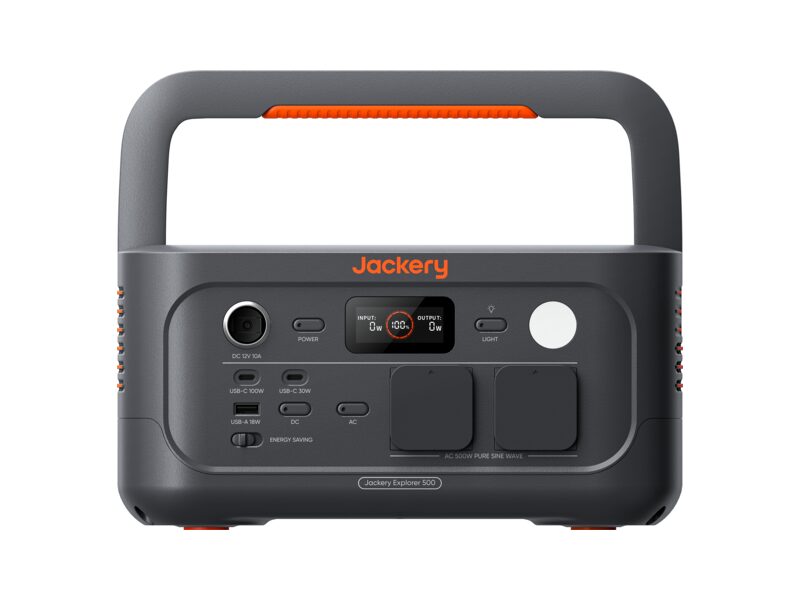
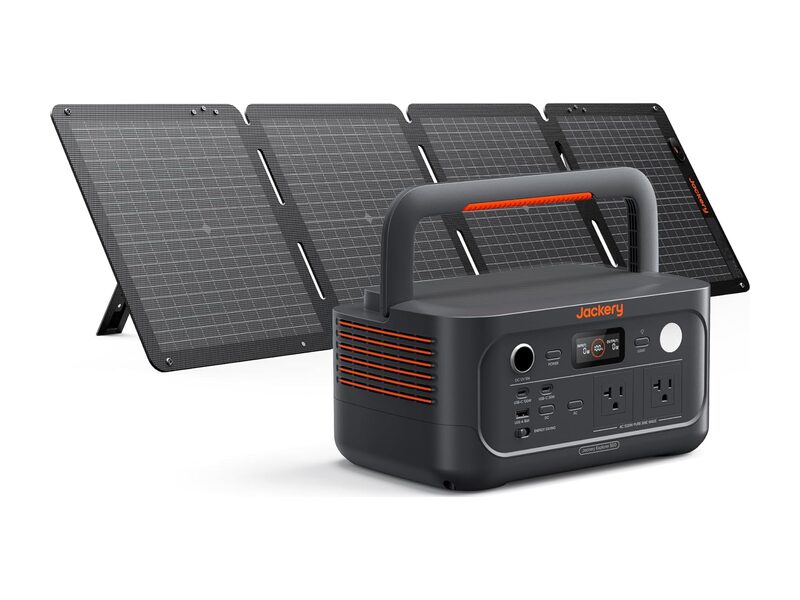
Jackery Explorer 500 v2
See price and availability (6)
512Wh in an ultra-light 5.7 kg station you carry with one hand: the ideal companion for camping, vanlife and small outages, recharged in 1 hr 20 from the mains.
- Capacity: 512Wh (LiFePO4 battery)
- Power: 500W continuous, 1000W peak
- Outputs: 2 AC outlets, 2 USB-C, 1 USB-A, 1 car socket
- Recharge: Full in 1 hr 20 from the mains (1 hr with mains + solar)
- 512Wh in just 5.7 kg, carried one-handed
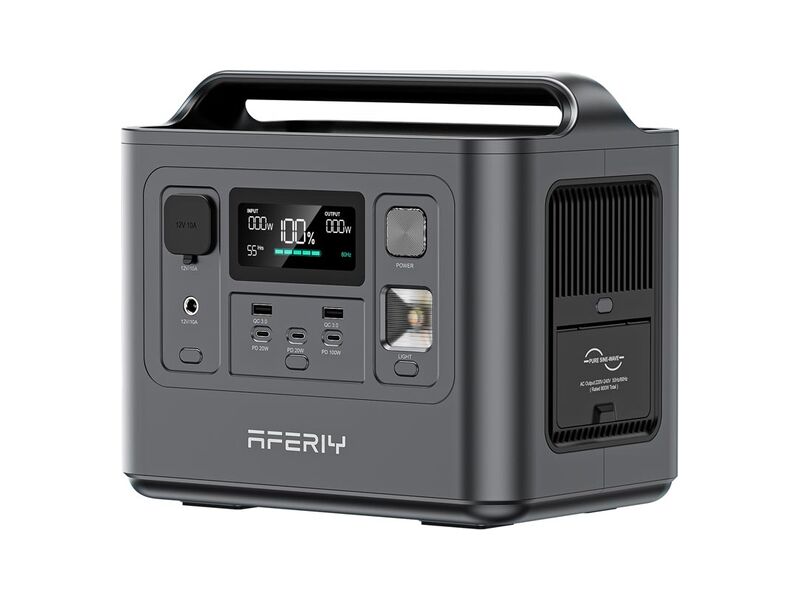
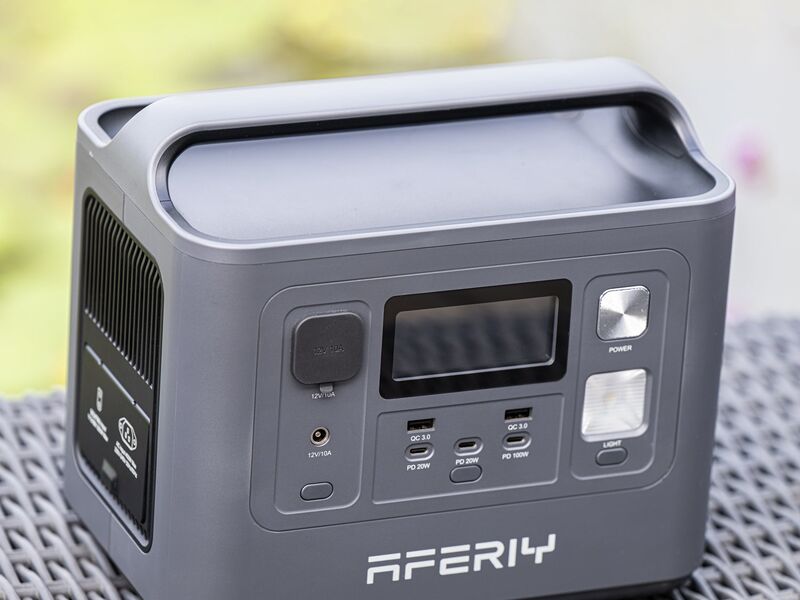
Aferiy P010
See price and availability (5)
512Wh and 800W (1600W surge) in a 6.5kg footprint, backed by a 7-year manufacturer warranty: the Aferiy P010 bets on longevity as much as on compactness.
- Power: 800W (1600W surge)
- Capacity: 512Wh LiFePO4
- Warranty: 7 years
- Charging: 400W mains, full in about 1.5h
- 7-year manufacturer warranty
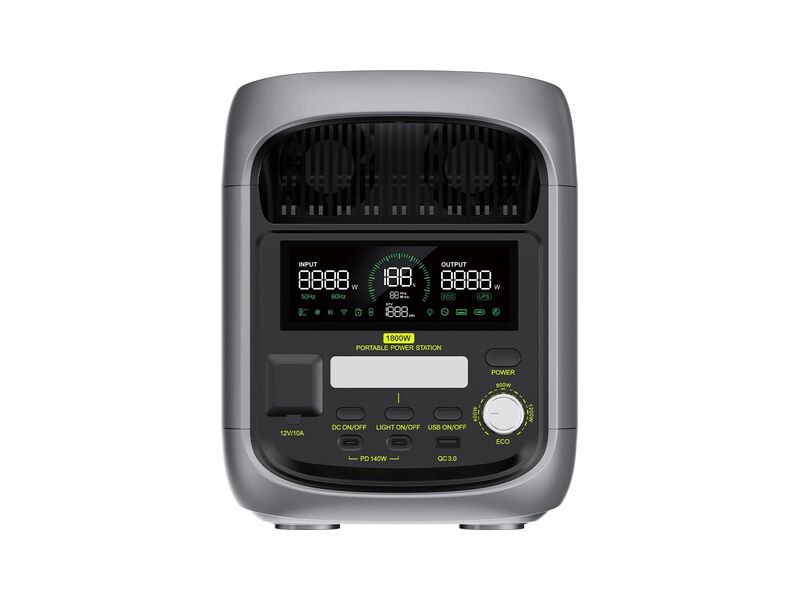
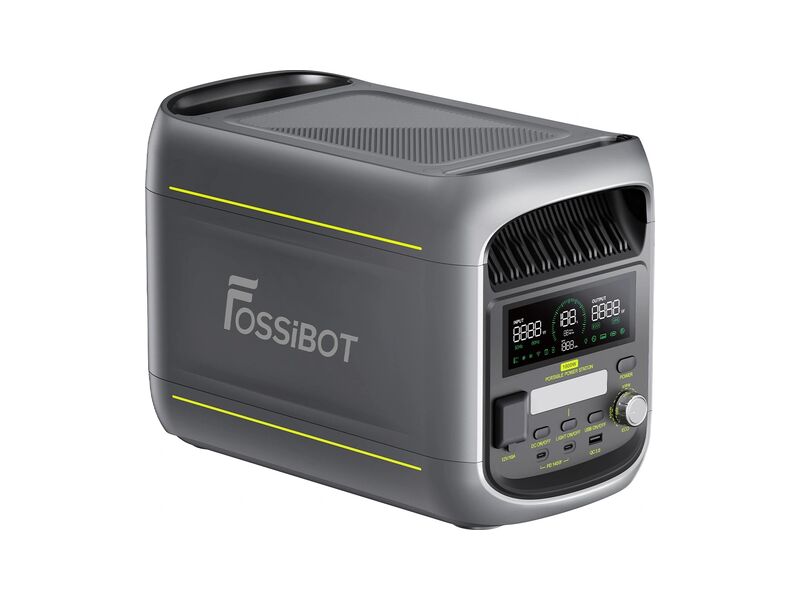
Fossibot F1800
See price and availability (5)
Same 1024Wh capacity as the F1200 but 1800W continuous and a WiFi/Bluetooth app: the Fossibot F1800 steps up the range, 0-80% recharge in 45 min.
- Capacity: 1024Wh (LiFePO4 battery)
- Power: 1800W continuous, 2700W peak
- Recharge: 0-80% in 45 min (1200W mains)
- Weight: 11.25kg
- 1800W, WiFi/Bluetooth app, 5-year warranty
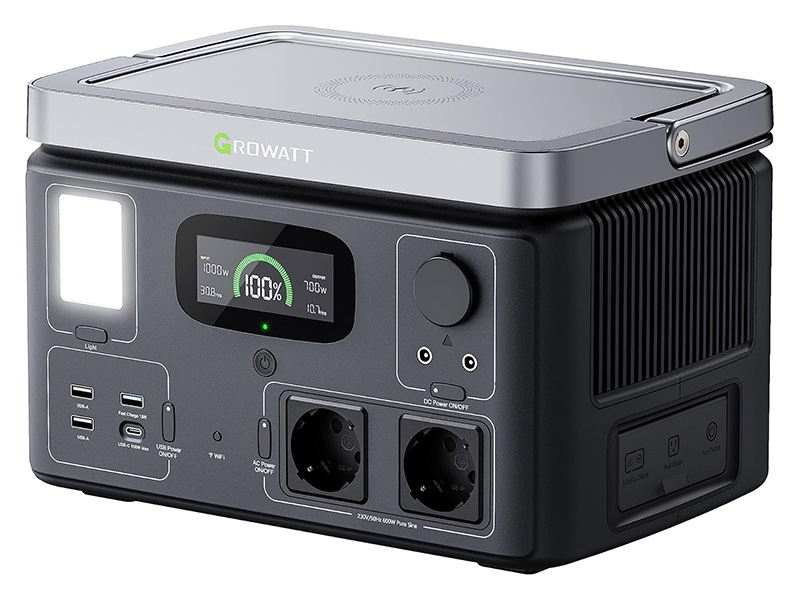
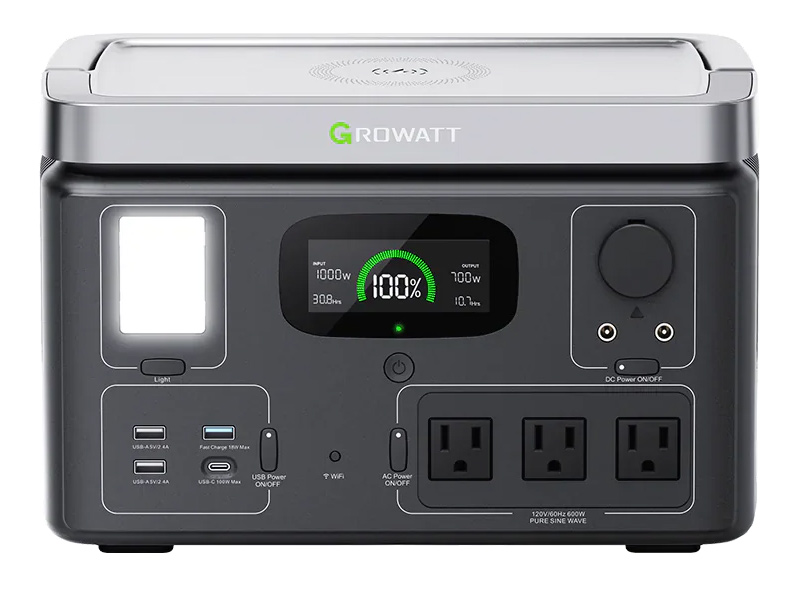
Growatt Vita 550
See price and availability (5)
538Wh and 600W in a compact station with express recharge (1.6h) and 10 outputs including 100W USB-C: a smart alternative for camping and top-ups.
- Capacity: 538Wh (LiFePO4 battery)
- Power: 600W continuous, 1200W peak (Watt+)
- Outputs: 10 ports: 2 AC outlets, USB-C 100W, USB-A, car, DC
- Recharge: Full in about 1.6h from the mains
- 538Wh, 10 ports and 1.6h recharge
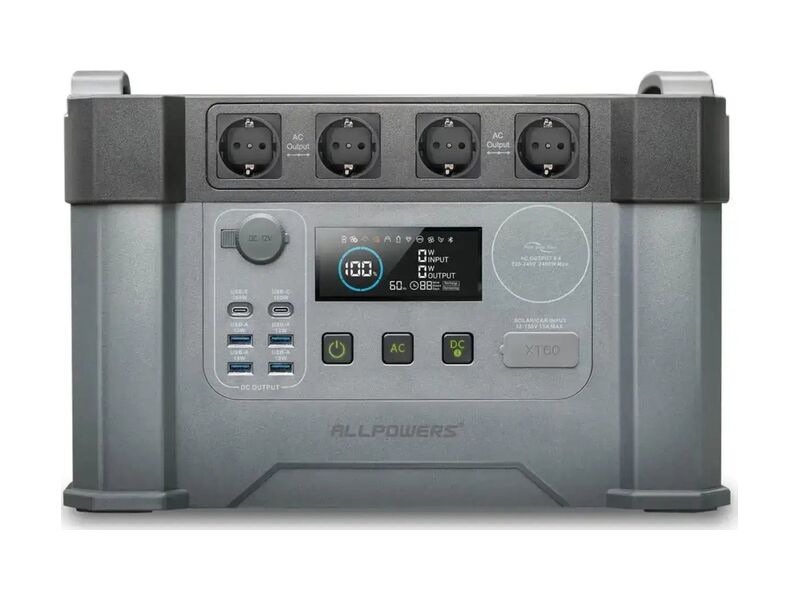
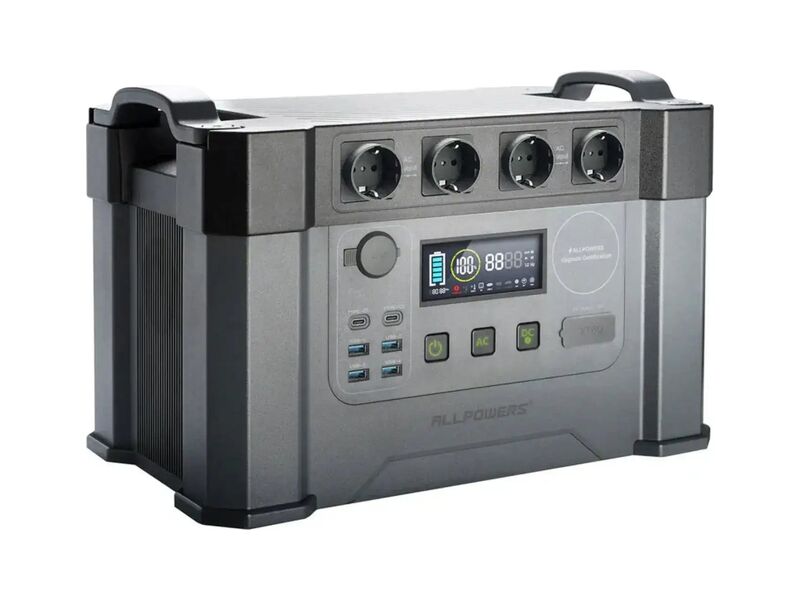
Allpowers S2000 Pro
See price and availability (4)
1451Wh and 2400W (4000W peak) for just 13kg: the station that packs a lot of power into a surprisingly light format, with 1000W of solar charging.
- Capacity: 1451 Wh
- Power: 2400 W (4000 W peak)
- Outputs: 4x 230V socket, USB-C 100W, USB-A, 12V
- Safety: UPS, advanced BMS, Bluetooth
- 1451Wh, 2400W, just 13kg, 1000W solar
Pecron E1500LFP
£999.00 £496.67
(4)
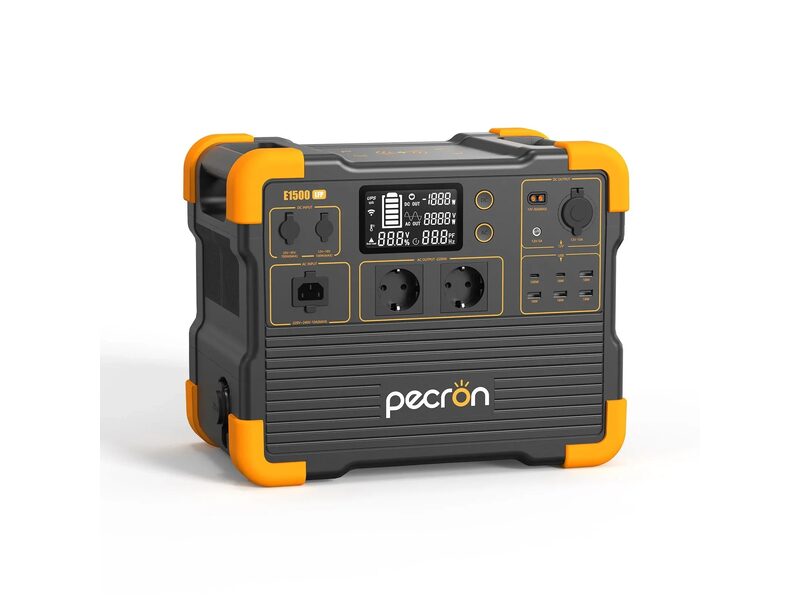
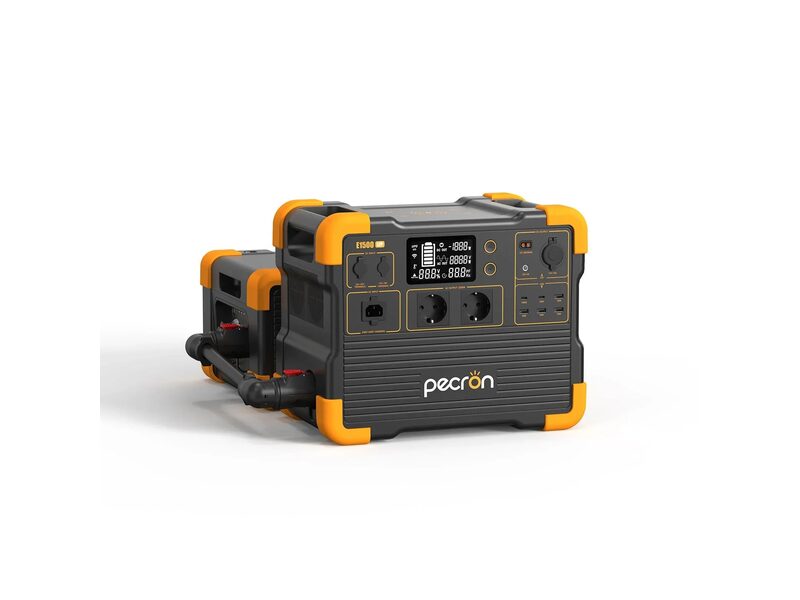
Fifteen hundred and thirty-six watt-hours for £495, 80% charged in eighty minutes, and the option of moving up to 7,680 Wh later.
- Capacity: 1536 Wh of LiFePO4, expandable to 7,680 Wh
- Power: 2200 W continuous, 4400 W peak, pure sine wave
- Recharge: 1400 W from the mains, 80% in 80 minutes
- Outputs: 2 x 230 V, 4 USB-A, 2 USB-C (100 W), 12 in total
- 1536 Wh for £495 with a 20 ms UPS function
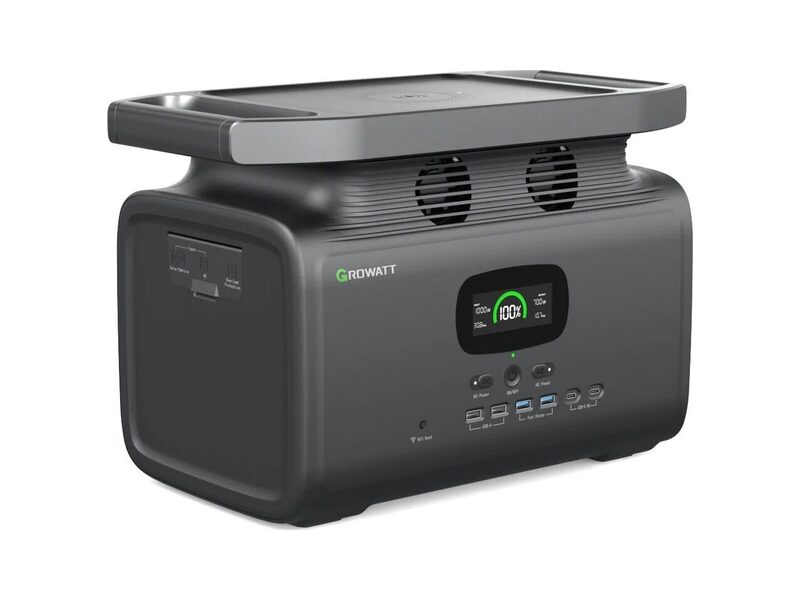
Growatt Infinity 1300
See price and availability (4)
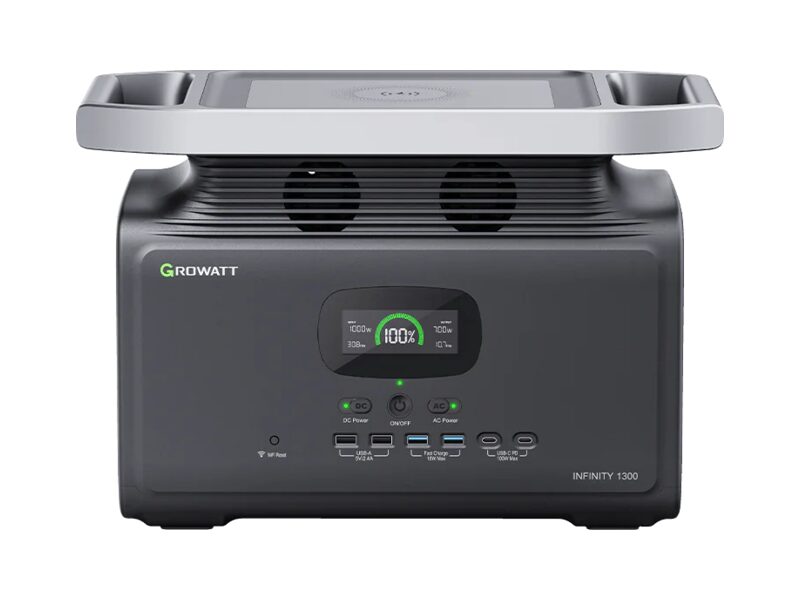
1382Wh and 1800W to power up to 14 devices: the Growatt Infinity 1300 is a powerful, long-lasting (LiFePO4) station that recharges fast, designed for camping and backup.
- Power: 1800W (pure sine)
- Capacity: 1382Wh LiFePO4
- Outputs: 14 outputs (AC, USB-C, USB-A, 12V)
- Recharge: Mains in ~1h48
- 1382Wh LiFePO4, 14 outputs and 5-year warranty
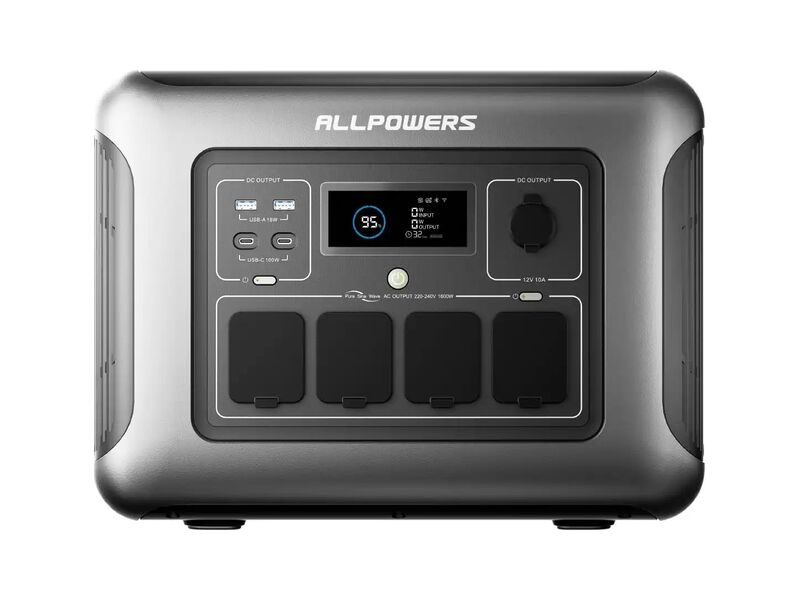
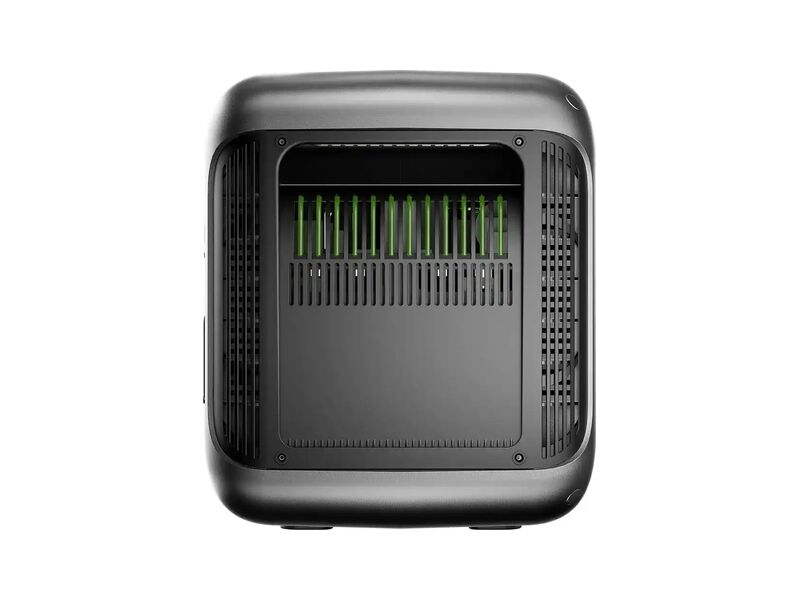
Allpowers R1500 LITE
See price and availability (4)
1056Wh and 1600W (3200W peak), 15ms UPS and WiFi/Bluetooth control: the versatile power station for campervans, home backup or job sites.
- Capacity: 1056 Wh
- Power: 1600 W (3200 W peak)
- Outputs: 4x 230V socket, USB-C 200W, USB-A, 12V
- Safety: 15ms UPS, WiFi/Bluetooth, app
- 1056Wh, 1600W, 15ms UPS, remote control
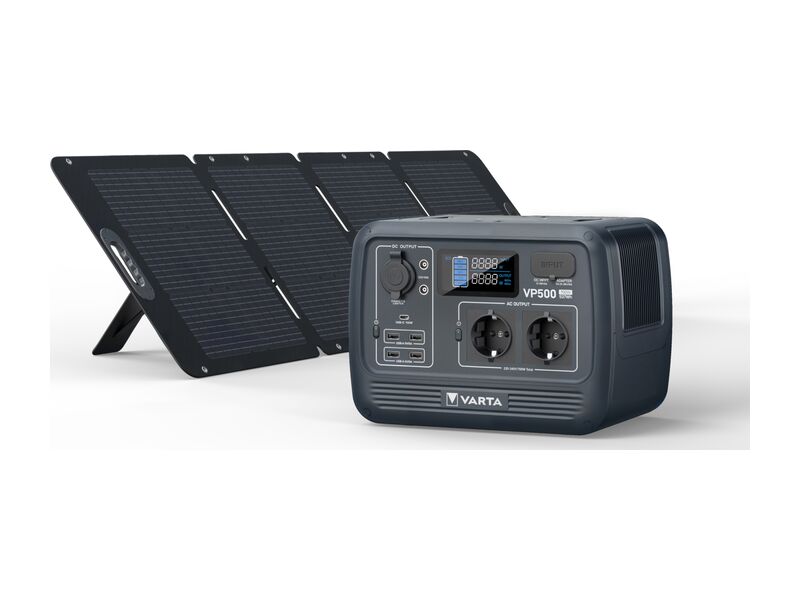
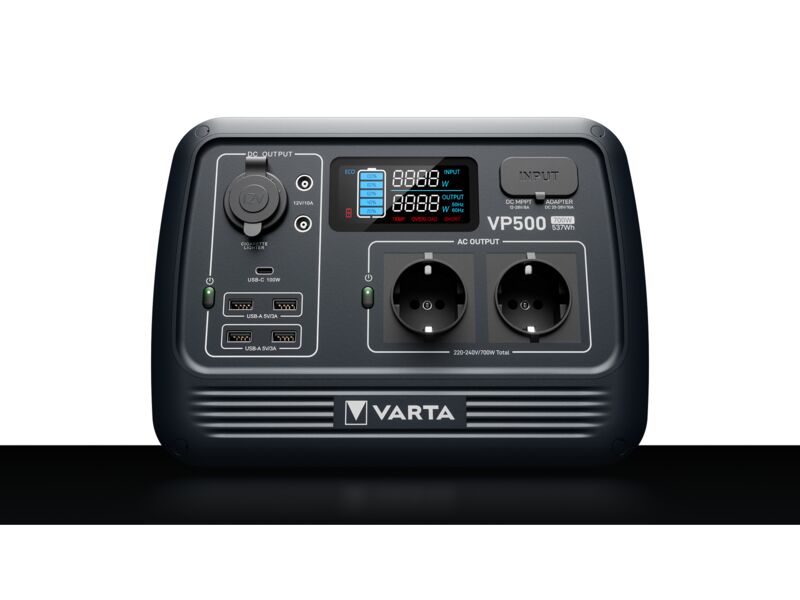
Varta VP500
£515.99 (3)
With a 537Wh LFP battery, solar or car charging and a built-in wireless charging pad, the Varta VP500 delivers reliable backup power anywhere.
- Capacity: 537Wh (LiFePO4 battery, 2500 rated cycles)
- AC output: 700W, 1400W peak (2 sockets, 220-240V)
- Charging: Mains, solar (200W max) or car, 80% in 2h with Dual-Charge
- Weight: 7.5kg (275 x 200 x 202mm)
- Wireless charging pad and emergency light, safe LFP chemistry
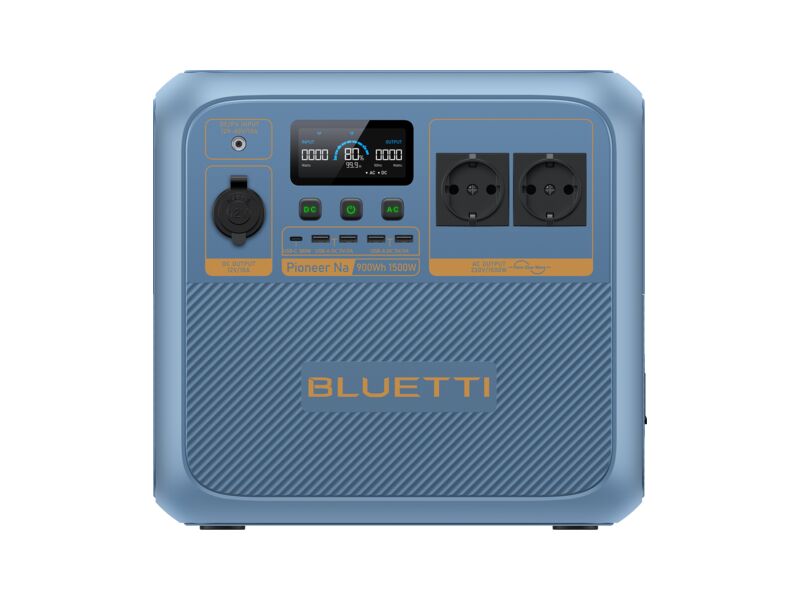
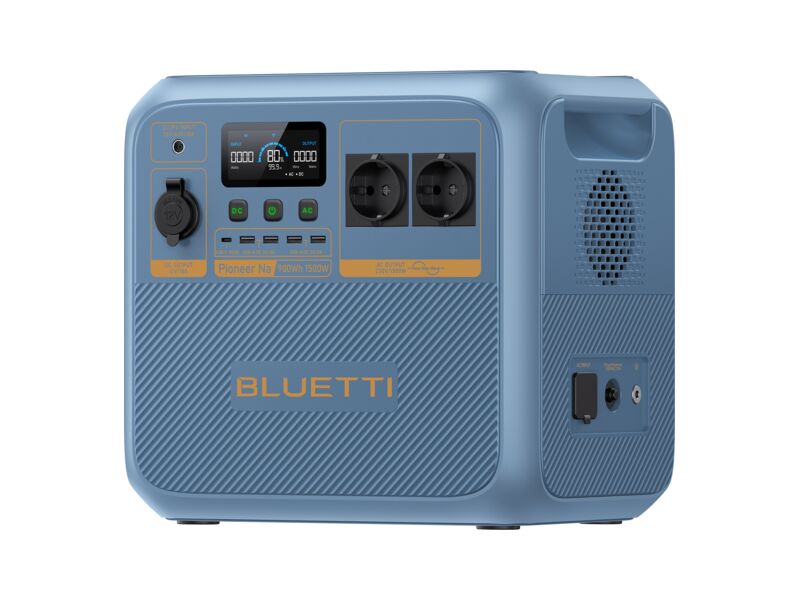
Bluetti Pioneer Na
£1099.00 (3)
900 Wh in a sodium-ion battery, 1500 W (2250 W surge), working down to -25 °C: the first consumer power station to move beyond lithium.
- Capacity: 900 Wh (sodium-ion), 4000+ cycles to 70%
- Power: 1500 W continuous, 2250 W surge
- All weather: Works down to -25 °C on discharge, -15 °C on charge
- Compact: 16 kg, 34 x 24.7 x 31.7 cm
- First consumer sodium-ion power station, unmatched cold resistance
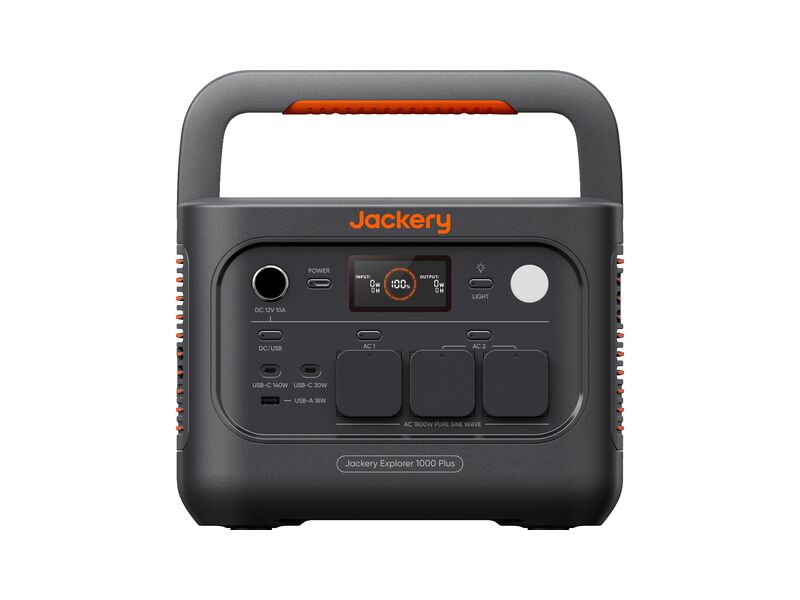
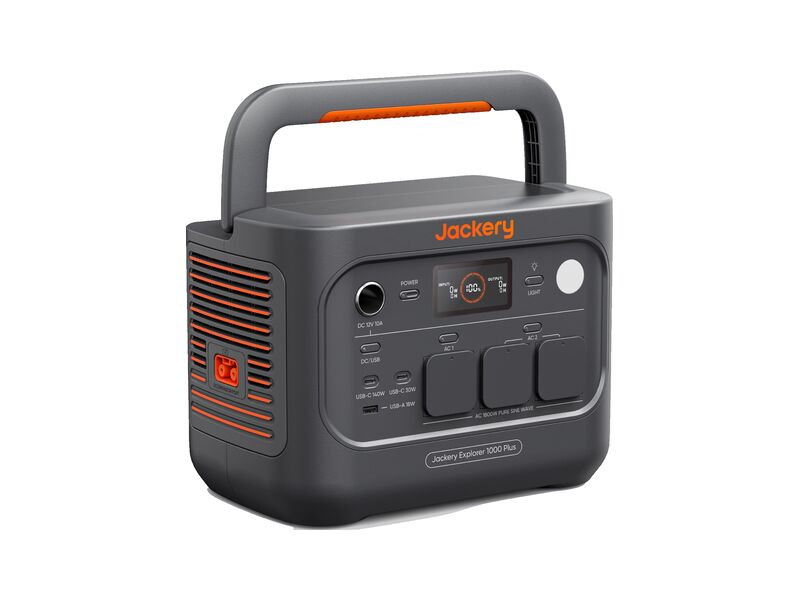
Jackery Explorer 1000 Plus v2
£599.00 (1)
A 1 kWh power station that weighs 10.8 kg and can grow to 11 kWh: a kettle at the campsite or backup during a power cut, with a UPS in under 10 ms.
- Capacity: 1024Wh LiFePO4, expandable to 11 kWh
- Power: 1800W continuous, 3600W peak
- Outputs: 3 AC sockets, 2 USB-C (140W max), 1 USB-A, 12V/10A
- Recharge: Mains: full in 1.25h at best, solar up to 400W
- Expandable to 11 kWh in just 10.8 kg
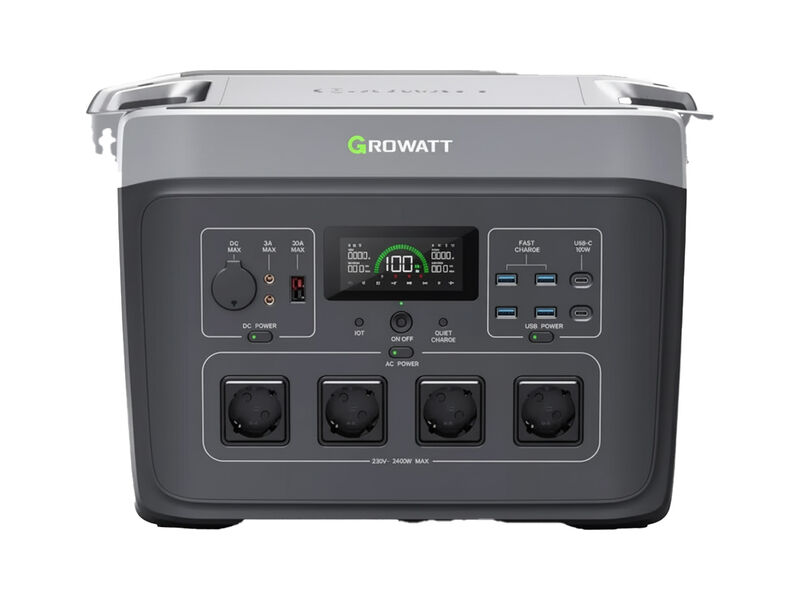
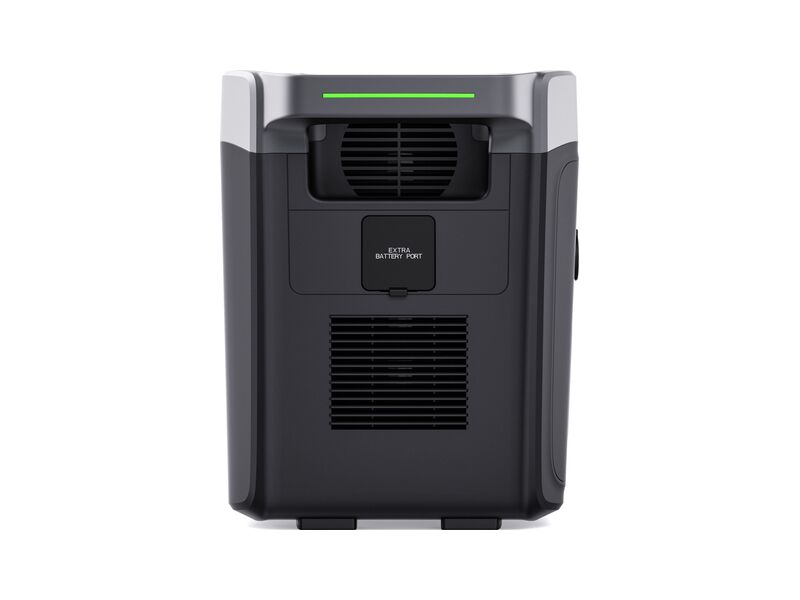
Growatt Infinity 2000 Pro
£685.38
2048 Wh, 2400 W (4800 W surge), expandable up to 6144 Wh: Growatt's versatile power station, with cold start down to -30 °C.
- Capacity: 2048 Wh (LiFePO4), expandable to 6144 Wh
- Power: 2400 W continuous, 4800 W surge
- Charging: 1800 W mains (100% in 1h36), 1200 W solar
- All weather: Cold start down to -30 °C
- Expandable to 6144 Wh, independent extra batteries
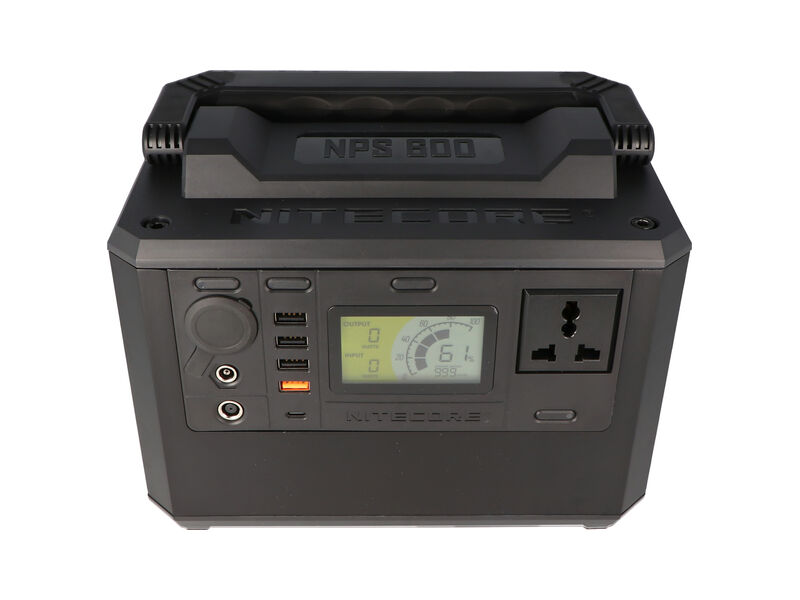
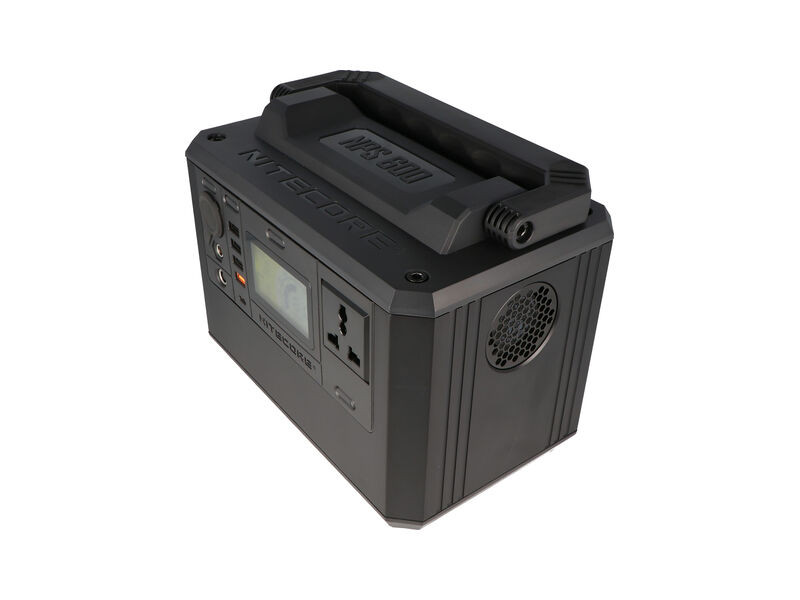
Nitecore NPS600
£599.00
At 594 Wh and just 5.83 kg, the Nitecore NPS600 delivers 300 W continuous (600 W surge) across five output types: 12 V, USB, USB-QC, USB-C and 230 V.
- Capacity: 594 Wh (165,000 mAh), 21700 Li-ion cells
- Power: 300 W continuous, 600 W surge, pure sine wave
- Outputs: 8 ports: 220 V, USB-C 60 W, 4x USB-A, 12 V
- Weight: 5.83 kg (244 x 188 x 157 mm), IPX3
- 594 Wh for just 5.83 kg, full LCD screen
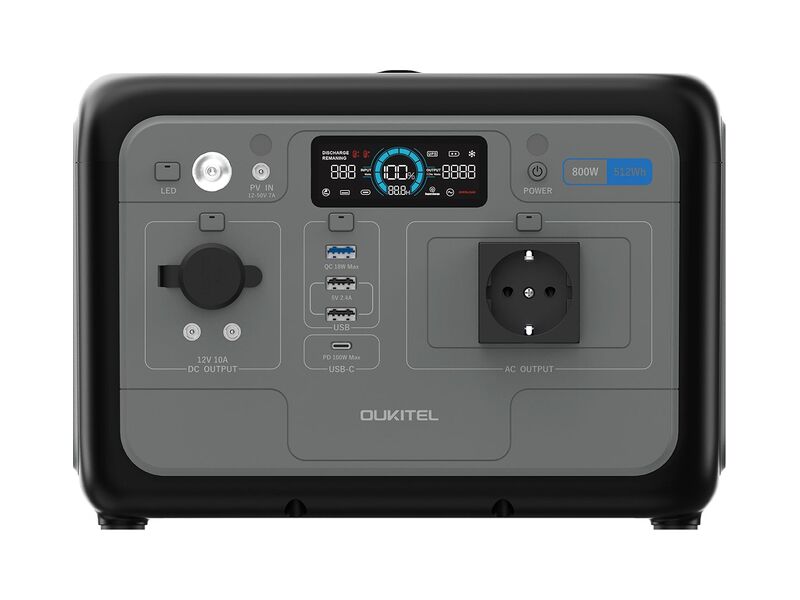
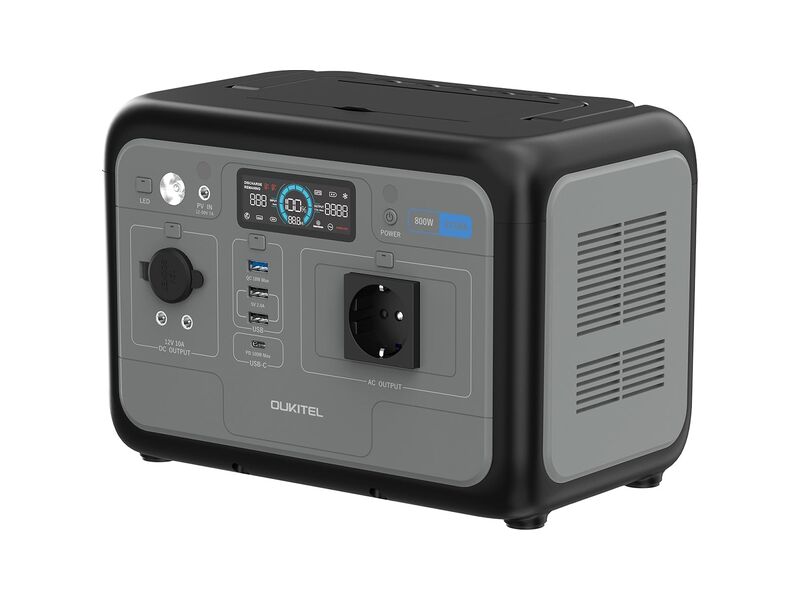
Oukitel P800
£399.00 £213.59
Just 6 kg for 800W (1600W peak) and 512Wh LiFePO4: the Oukitel P800 bets on compactness and a one hour mains recharge.
- Power: 800W (1600W peak)
- Capacity: 512Wh LiFePO4
- Weight: 6 kg
- Recharge: 500W mains, full charge in about 1h
- Strong point: Very light (6 kg) for its capacity
Related questions
A campervan fridge for 20 to 24 hours, a router and a computer for a full working day at home, a well pump in short cycles, or an 800 watt microwave for about fifteen minutes. It is the capacity that covers a 24 hour domestic power cut on the essentials.
Yes, on two conditions. Peak power must absorb the compressor start-up, often 3 to 5 times the rated draw, so 600 to 900 watts for a 150 watt fridge. And the inverter must deliver a pure sine wave, otherwise the motor runs hot and ages prematurely.
Power decides what you can plug in, capacity decides for how long. A 1,000 Wh station capped at 600 watts will refuse to start a kettle, even fully charged. Draw up the list of your appliances and their wattage first, and only then how long you need them.
LiFePO4 (LFP) lasts 3,000 to 4,000 cycles against 500 to 1,000 for NMC, copes better with heat and carries a markedly lower thermal runaway risk. It is heavier for the same capacity though. For regular use or home backup, LFP is now the default choice.
Some can, when they advertise a UPS or EPS function with a switchover time under 20 milliseconds. The device stays on mains power and moves to battery with no perceptible break. Note that 20 ms is fine for a computer, but not always for a server or a boiler with sensitive electronics.