High-capacity power stations
Our selection
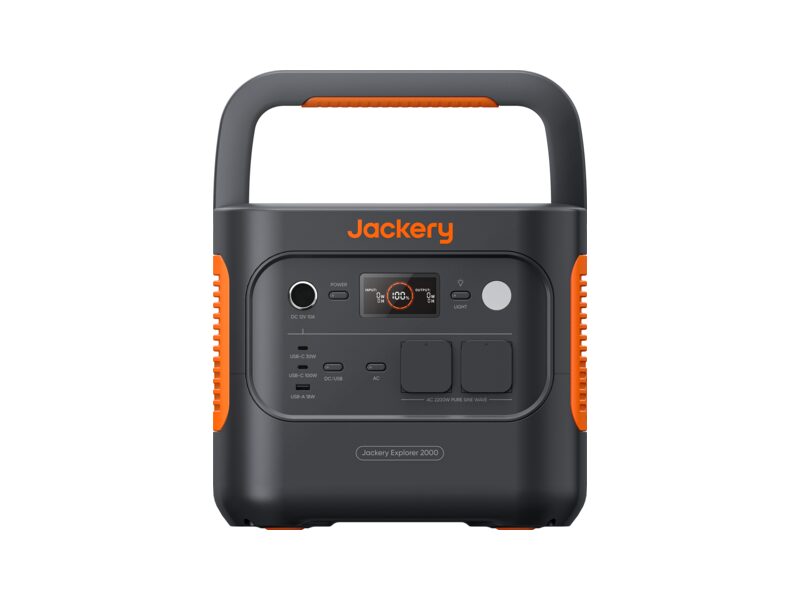
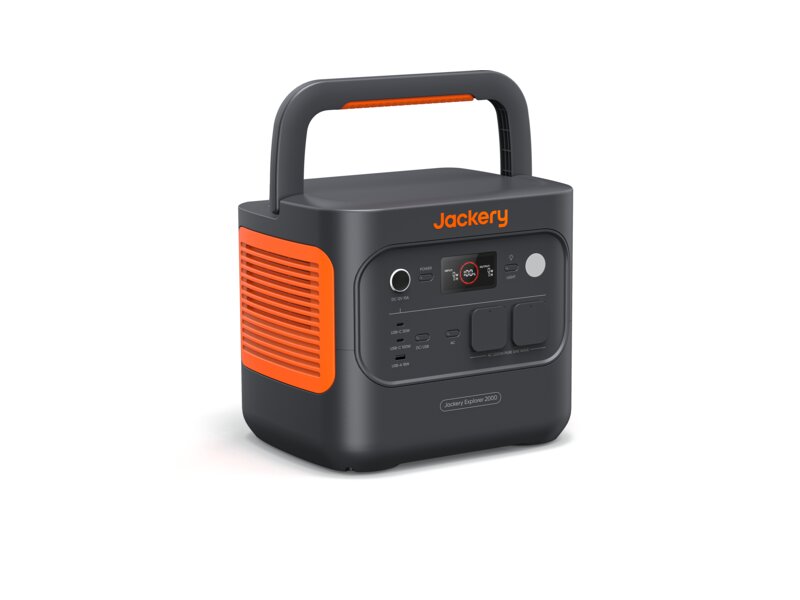
Jackery Explorer 2000 v2
See price and availability (17)
2042Wh and 2200W in a station 41% lighter than average: enough to keep the home running during an outage or power a whole RV, without hurting your back.
- Capacity: 2042Wh (LiFePO4 battery)
- Power: 2200W continuous, 4400W peak
- Outputs: 2 AC outlets, 1 USB-C 100W, 1 USB-C 30W, 1 USB-A, 1 car socket
- Recharge: 1h20 in emergency charge, 1h40 in normal charge
- 2200W and backup in just 17.5 kg
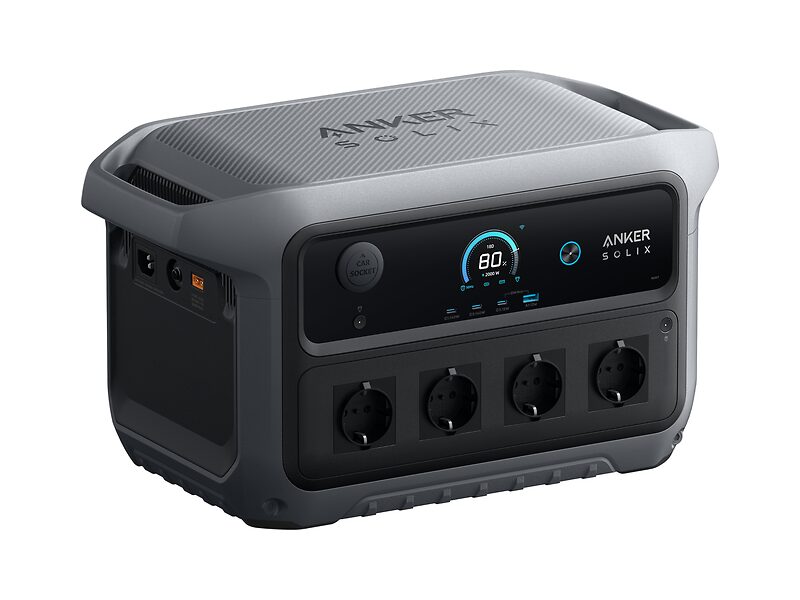
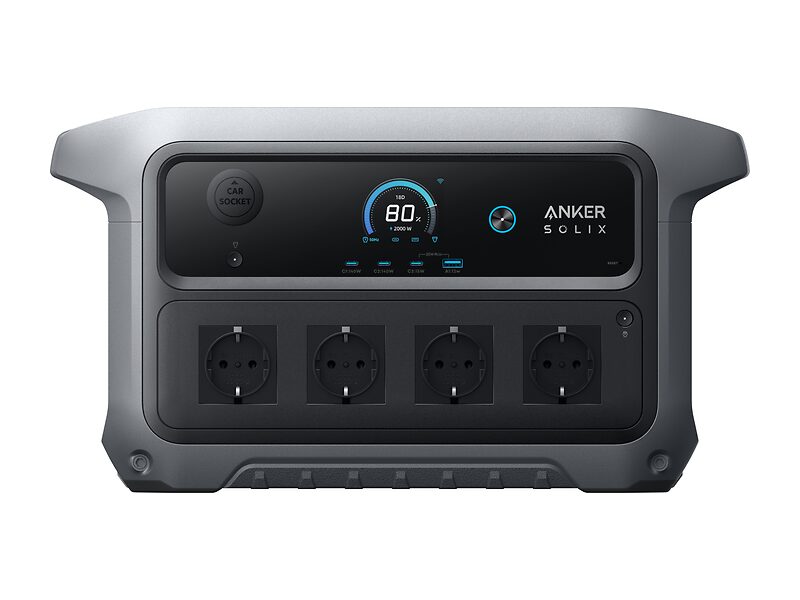
Anker Solix C2000 Gen 2
See price and availability (12)
2048Wh, 2400W and a full recharge in 58 minutes: Anker's new-generation station, faster, with 140W USB-C and expansion up to 4 kWh.
- Capacity: 2048 Wh (LiFePO4, 4000 cycles)
- Output: 2400W (up to 4000W peak)
- Recharge: 100% in 58 min, USB-C 140W
- Expandable: Up to 4 kWh (BP2000 battery)
- 2400W, 58 min recharge, USB-C 140W
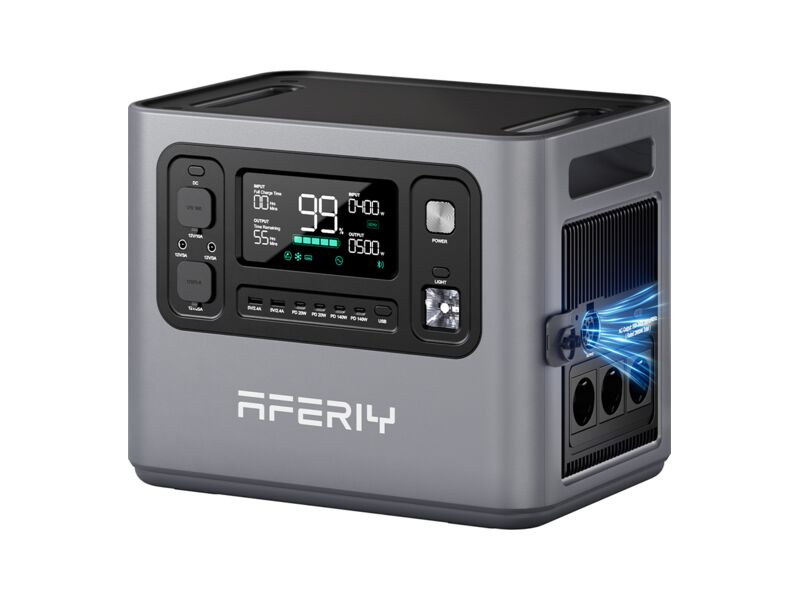
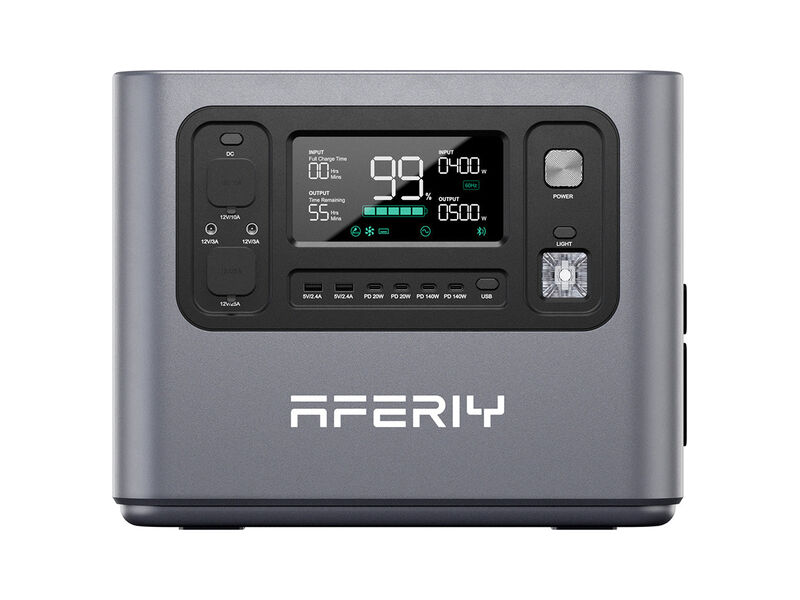
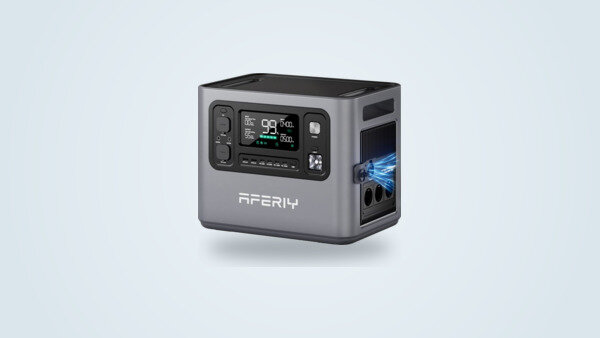
Aferiy P280
See price and availability (11)
With 2048 Wh expandable up to 10.24 kWh, 2800 W (5600 W peak) and a 7-year LiFePO4 warranty, the Aferiy P280 is built for long-haul home backup.
- Capacity: 2048 Wh, expandable to 10.24 kWh (LiFePO4)
- AC output: 2800 W, up to 5600 W peak, pure sine wave
- Connectivity: 3 AC outlets, 4 USB-C (140 W), 2 USB-A, XT60, DC
- Warranty: 7 years, UPS function (under 10 ms switchover)
- Expandable to 10.24 kWh, Aferiy's most modular station
Anker Solix F2000
See price and availability (10)
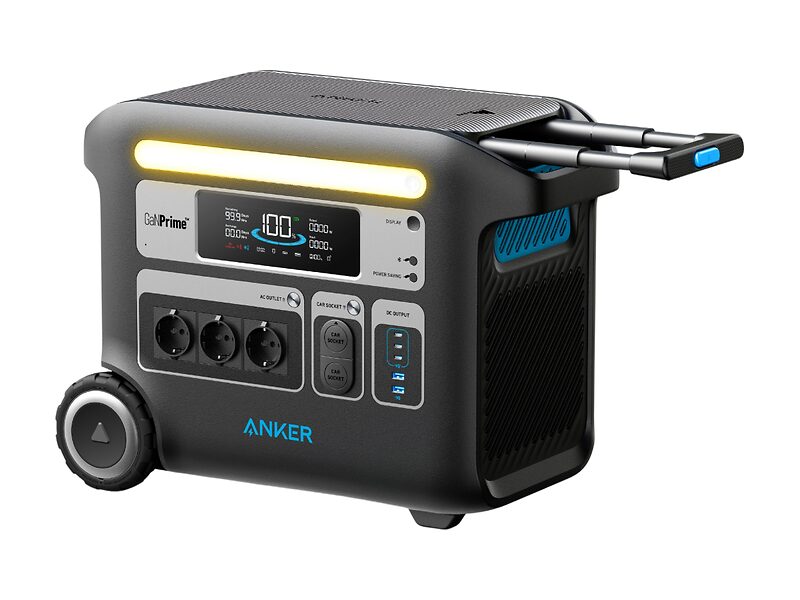
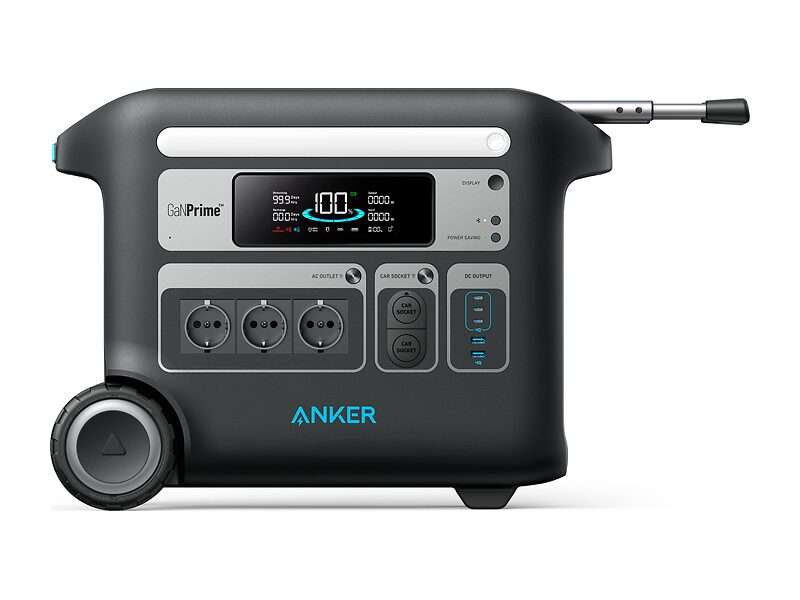
2048Wh on wheels, 2300W and a 0 to 80% recharge in one hour: the big Anker station built for home backup, the worksite and camping.
- Capacity: 2048 Wh (LiFePO4, expandable 4096Wh)
- Output: 2300W, 3 mains sockets
- Recharge: 0 to 80% in 1 h (HyperFlash)
- Ports: 3 USB-C, 2 USB-A, 2 car ports
- 2048Wh on wheels, 5-year warranty
Goal Zero Yeti 1500X
£1499.95 £964.93
(9)
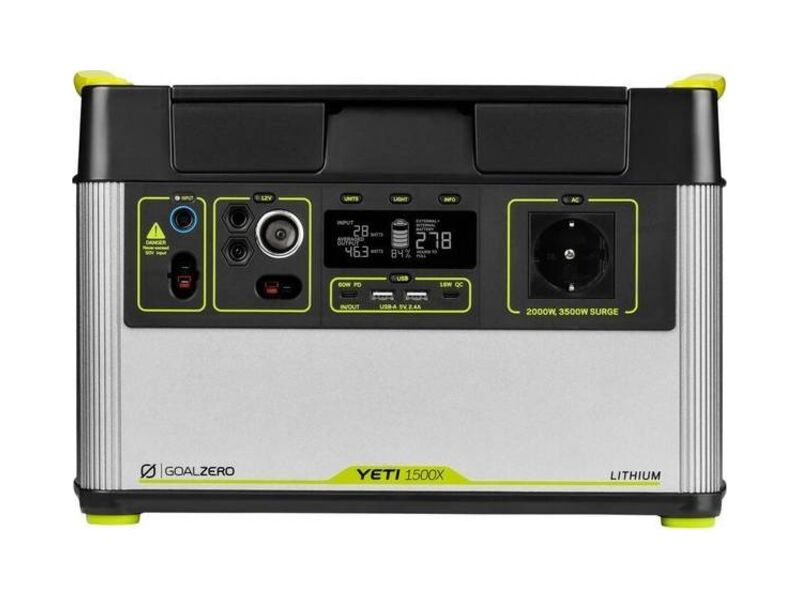
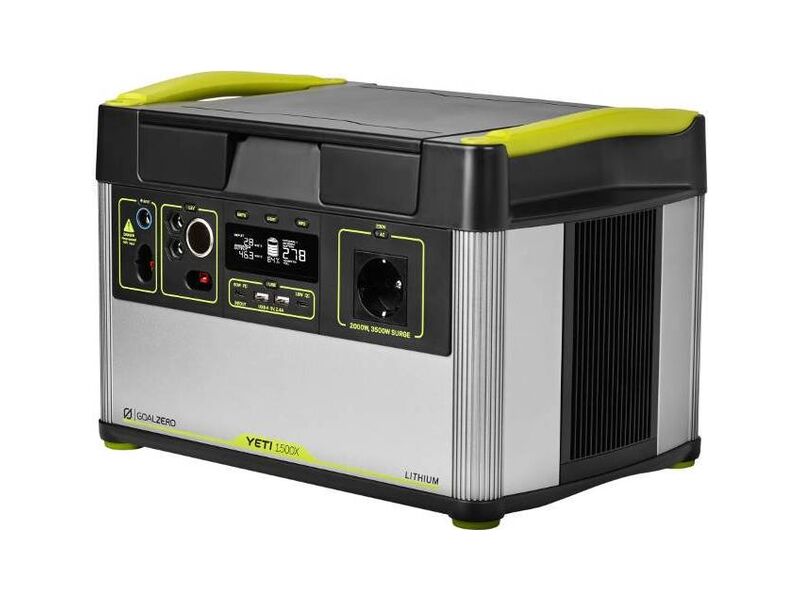
1516Wh and 2000W (3500W surge): the Yeti 1500X trades cutting-edge battery chemistry for Goal Zero's rugged, pioneer-brand build quality.
- Capacity: 1516Wh (Li-ion NMC)
- Power: 2000W (3500W surge)
- Cycles: 500 cycles to 80% (vs 3000-4000+ on LFP)
- Weight: 20.7 kg
- Expandable to 3900Wh with the Yeti Tank
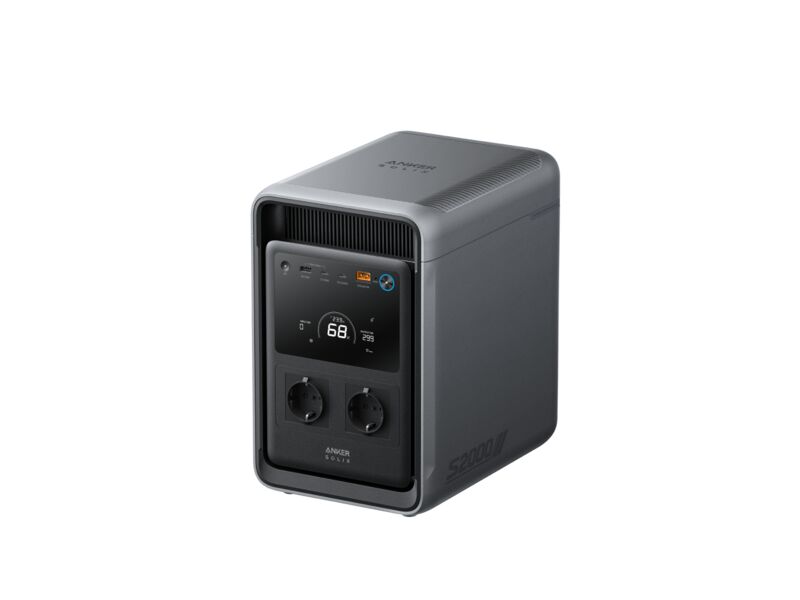
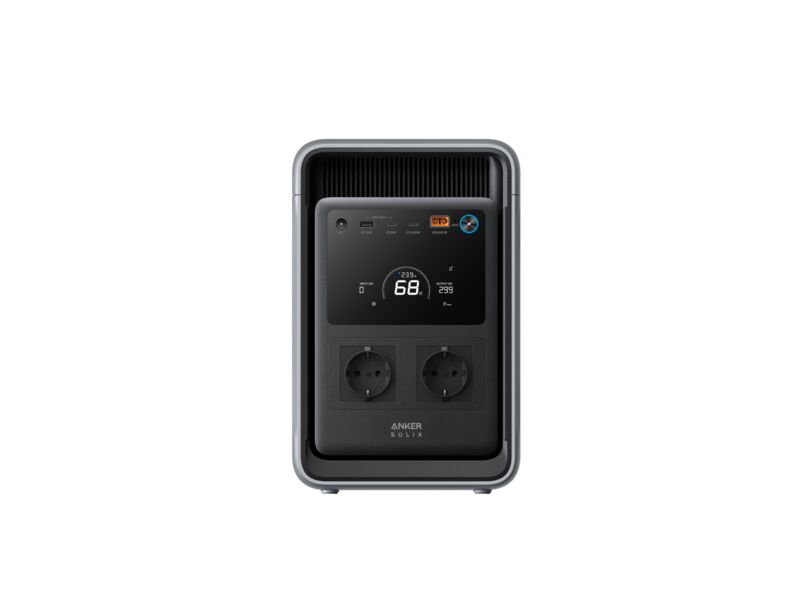
Anker Solix S2000
£740.69 (8)
The most compact 2kWh power station, TÜV SÜD certified for real home backup, with record-low 6W standby and a lightning-fast UPS switchover.
- Capacity: 2010 Wh (LiFePO4, 10,000 cycles to 60%)
- Output: 1500W (3000W peak)
- Weight: 16.2 kg, the lightest 2kWh station
- Runtime: Up to 35h for a fridge (TÜV SÜD certified)
- TÜV SÜD certified, 6W standby, just 16.2 kg
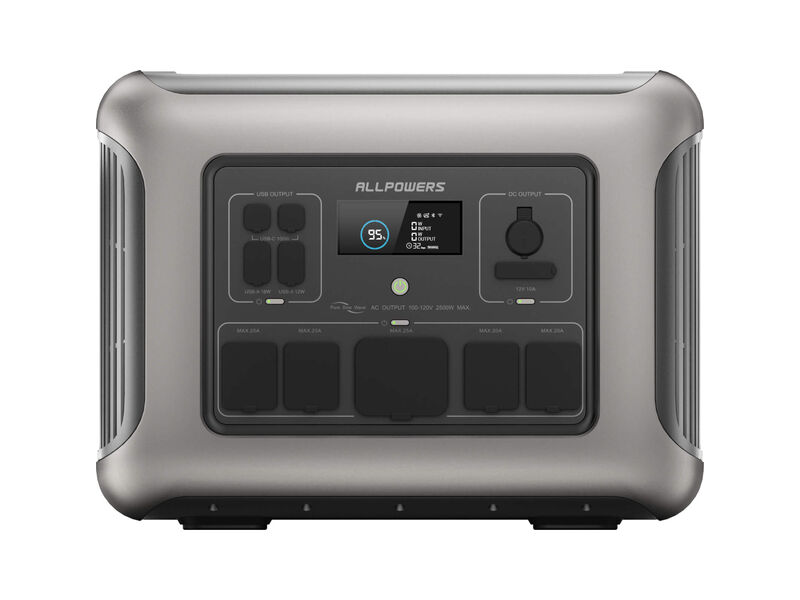
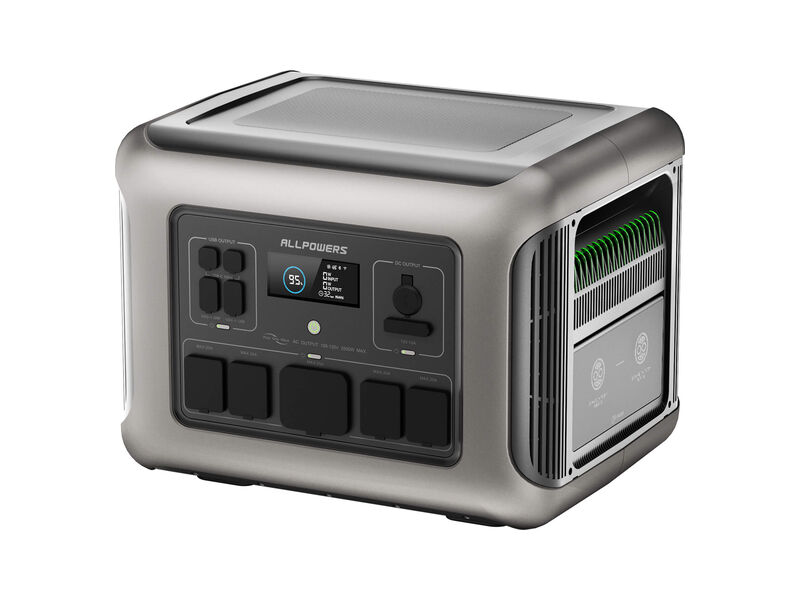
Allpowers R2500 Plus
See price and availability (8)
2016 Wh, 2500 W continuous and a 15 ms UPS function: the Allpowers R2500 Plus keeps the home running and climbs to 4320 Wh with two expansion batteries.
- Capacity: 2016 Wh (expandable with B1000)
- Power: 2500 W (4000 W surge)
- Charging: 0 to 100% in about 1h20 on mains power
- Backup: UPS function, 15 ms switchover
- 2500 W continuous, 15 ms UPS, expandable to 4320 Wh
Vtoman Jump 2200
See price and availability (8)
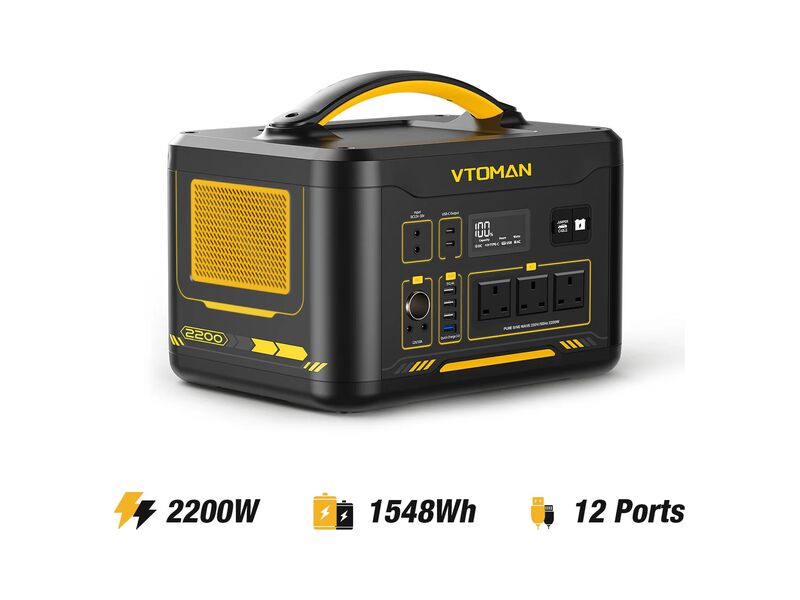
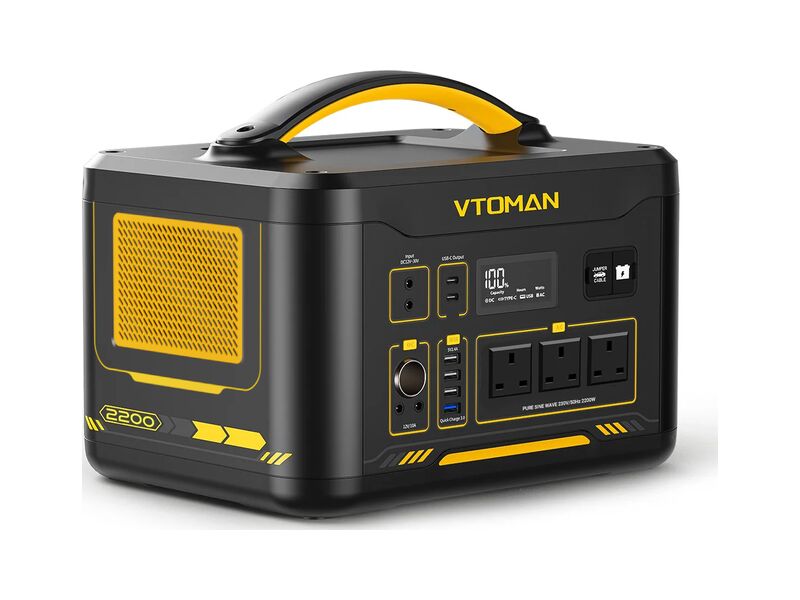
2200W (4400W peak) and 1548Wh of LiFePO4, expandable beyond 3000Wh, with a built-in vehicle jump starter: the Vtoman Jump 2200 targets motorhome life and home backup power.
- Power: 2200W (4400W peak)
- Capacity: 1548Wh LiFePO4 (expandable to 3096Wh)
- Weight: 17.5 kg
- Unique feature: Built-in vehicle jump starter
- Weak point: Noisy fan under heavy load
Bluetti Elite 200 V2
£1199.00 £849.00
(8)
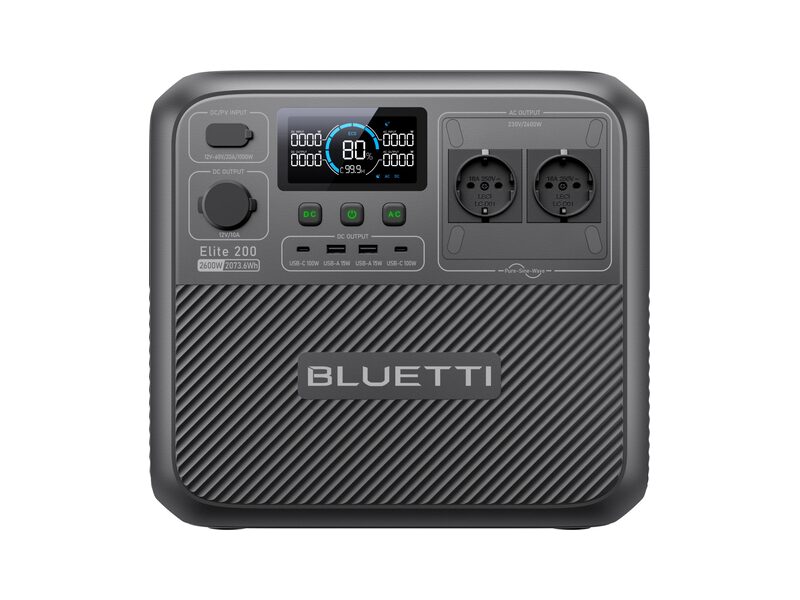
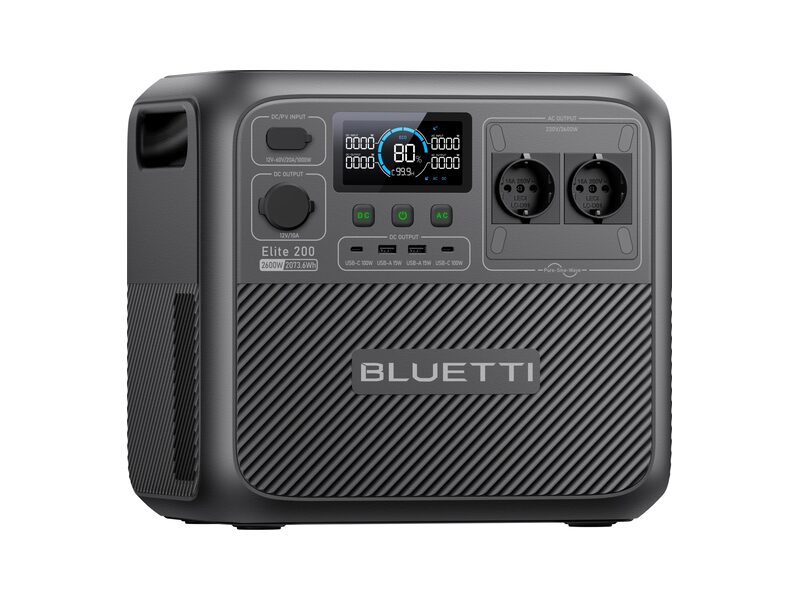
2073Wh and 2600W in a 40% more compact format: the new-generation power station with lightning recharge in 1h, UPS function and a battery rated for 17 years.
- Capacity: 2073.6 Wh (LiFePO4)
- Power: 2600 W (3900 W Power Lifting)
- Recharge: TurboBoost, 80% in 1h
- Endurance: 6000+ cycles, UPS function
- 2073Wh, 2600W, compact, UPS
Segway Cube 2000
£1262.28 (7)
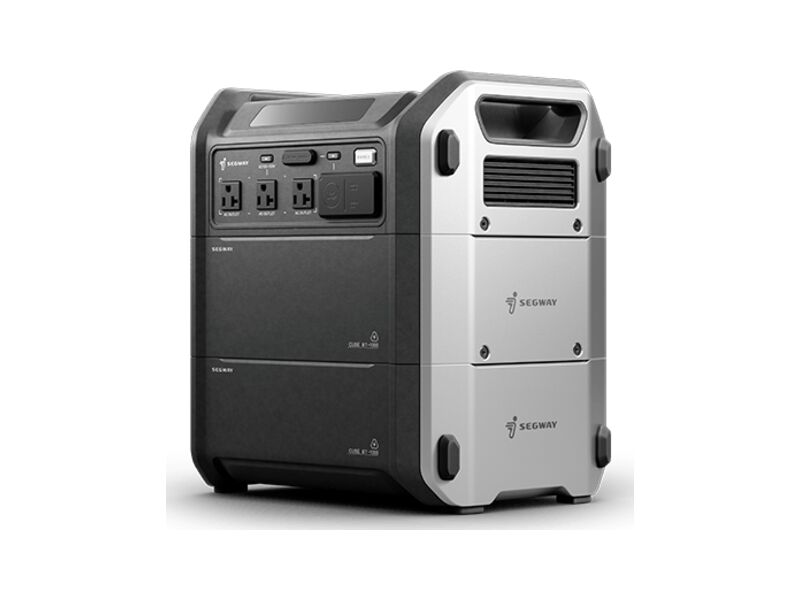
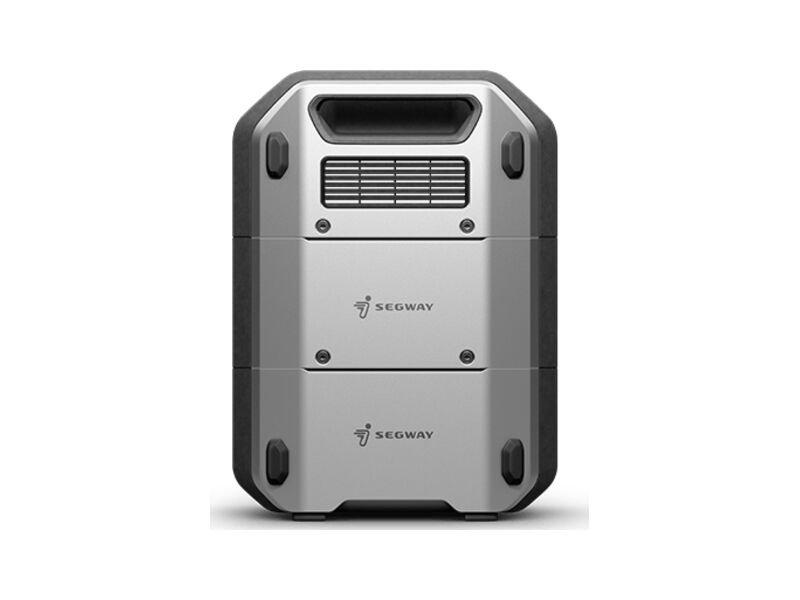
The Segway Cube 2000 is a rugged, modular power station built to grow with your energy needs, one 1kWh block at a time, from home backup to job sites.
- Capacity: 2048Wh (expandable to 5120Wh)
- Power: 2200W continuous, 4400W R-Drive surge
- Recharge: 0 to 100% in 1h48 on mains (1250W)
- Weight: 26.1 kg
- Modular in 1kWh blocks, up to 5kWh total
Fossibot F2400
See price and availability (6)
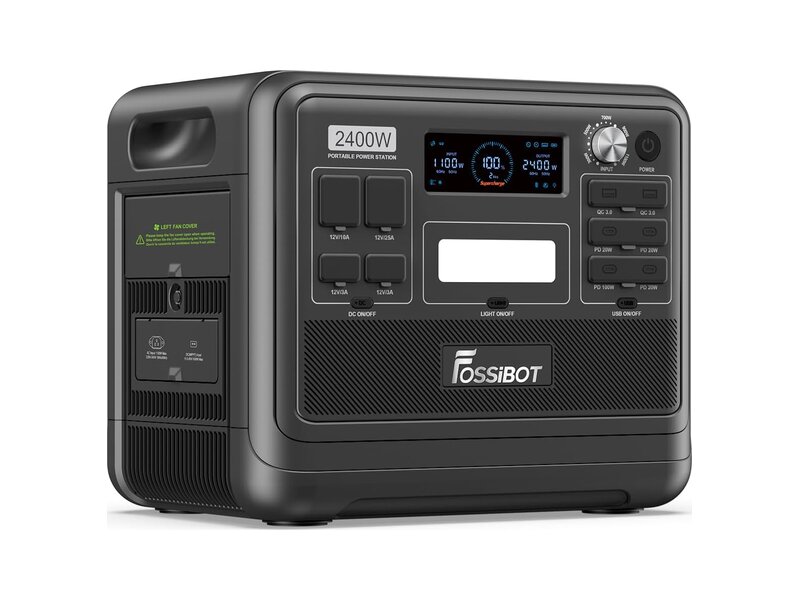
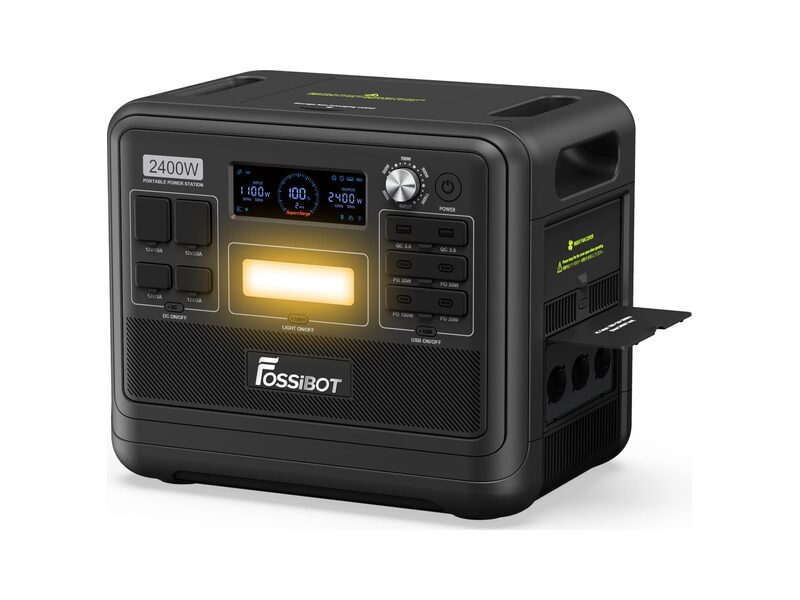
2048Wh and 2400W with UPS backup and a 2h recharge, at a price far below the market benchmarks: the Fossibot F2400 shakes up the 2 kWh class.
- Capacity: 2048Wh (LiFePO4 battery)
- Power: 2400W continuous, 4800W peak
- Outputs: 13 ports: 3 AC outlets, USB-C 100W, USB-A, car, DC
- Recharge: Full in about 2h (1100W AC)
- 2400W, UPS and 13 ports at an aggressive price
Fossibot F3000
£679.00 (6)
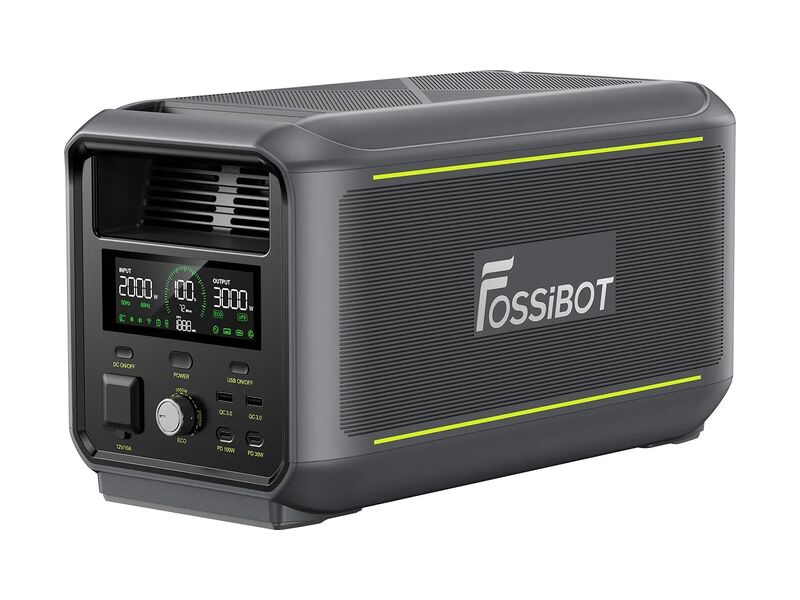
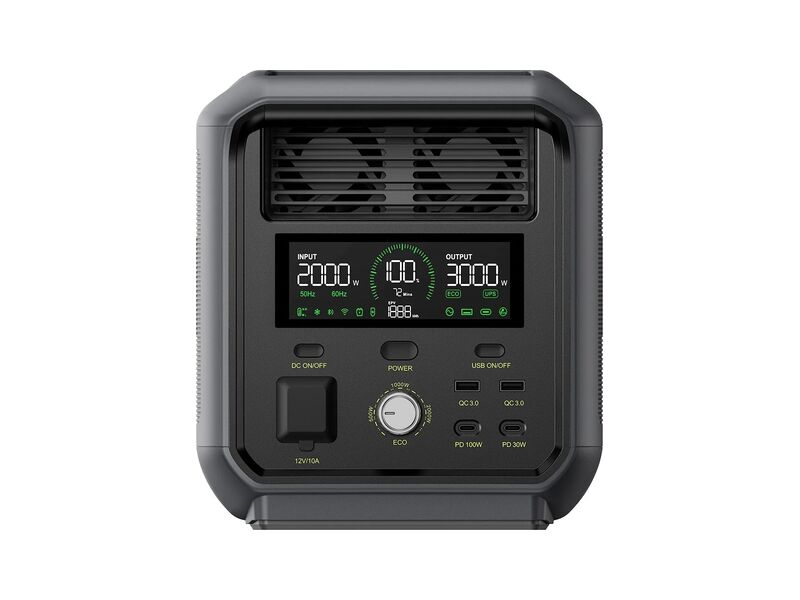
More powerful and lighter than the F2400, the Fossibot F3000 recharges in a little over an hour and doubles as a backup UPS when the mains drops out.
- Capacity: 2048Wh (LiFePO4 battery, 4000 cycles)
- Power: 3000W continuous, 6000W peak
- Outputs: 3 AC sockets, 2 USB-C (100W max), 2 USB-A, 12V/10A
- Recharge: Full in about 1.2h (2000W AC)
- 3000W, 2000W recharge and UPS in 19.2 kg
EcoFlow Delta 2 Max
See price and availability (6)
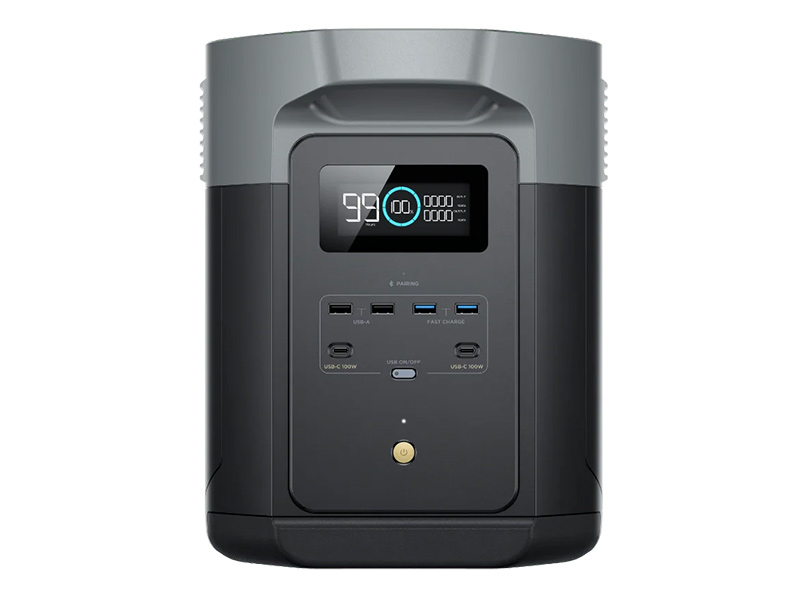
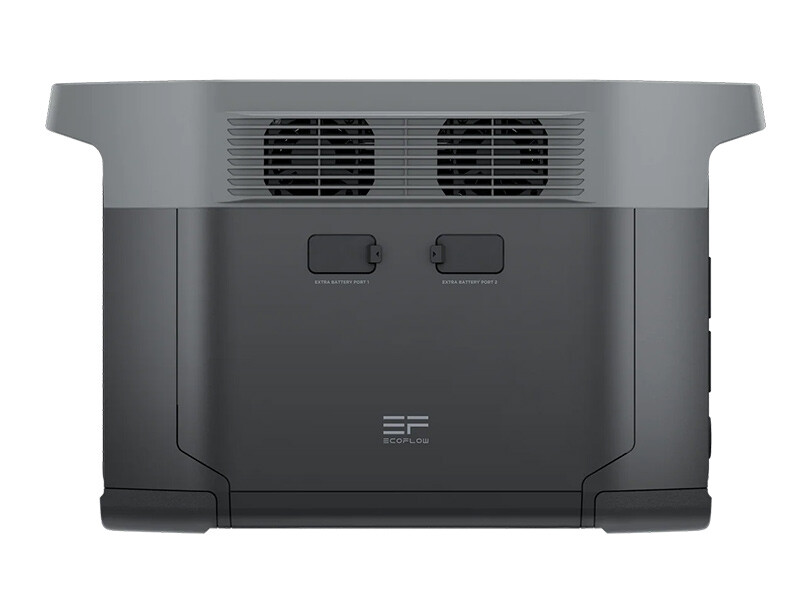
The EcoFlow Delta 2 Max power station turns any place into a reliable energy source, from camping to home backup, with no noise and no fuel at all.
- Capacity: 2,048 Wh (expandable to 6,144 Wh)
- Power: 2,400 W (3,100 W X-Boost, 4,800 W surge)
- Recharge: 80% in 53 min on AC, up to 1,000 W solar
- Weight: 23 kg
- Versatile 2 kWh LFP station, easy to move at 23 kg
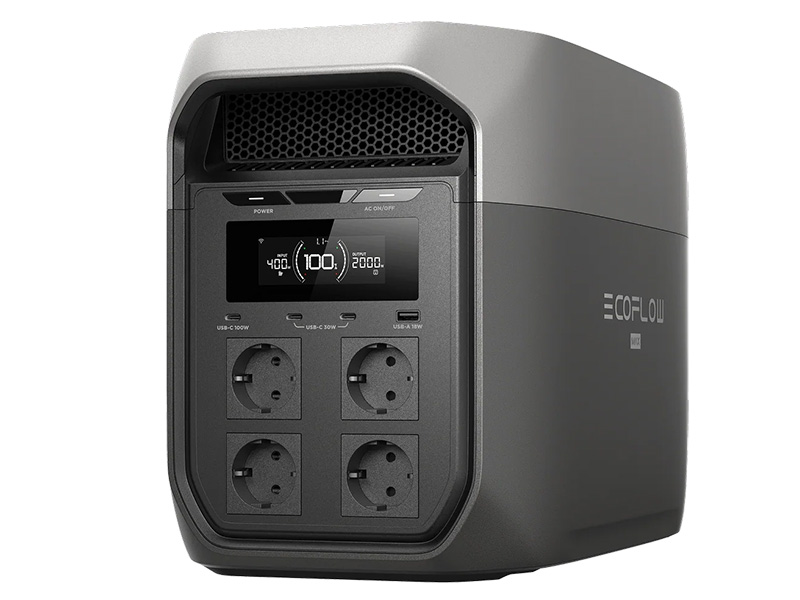
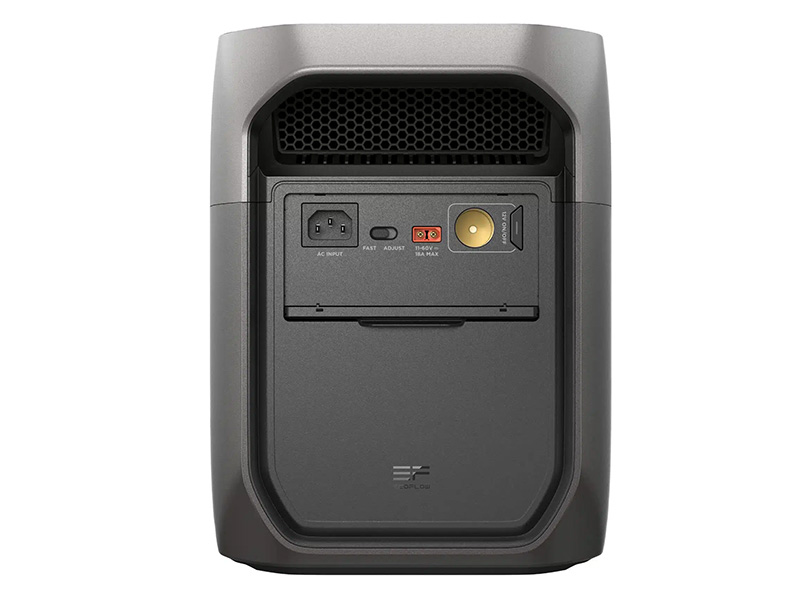
EcoFlow Delta 3 Max
£1199.00 (6)
2048 Wh and 2400 W in a transportable, quiet body: the EcoFlow Delta 3 Max secures a home or a motorhome with a 10 ms UPS switchover.
- Capacity: 2048 Wh (LiFePO4)
- Output: 2400 W (4800 W surge, 3200 W X-Boost)
- Recharge: 0 to 80% in 51 min (mains)
- Backup: UPS < 10 ms, 4 AC outlets
- 2048 Wh, 2400 W and 0-80% recharge in 51 min at a contained price
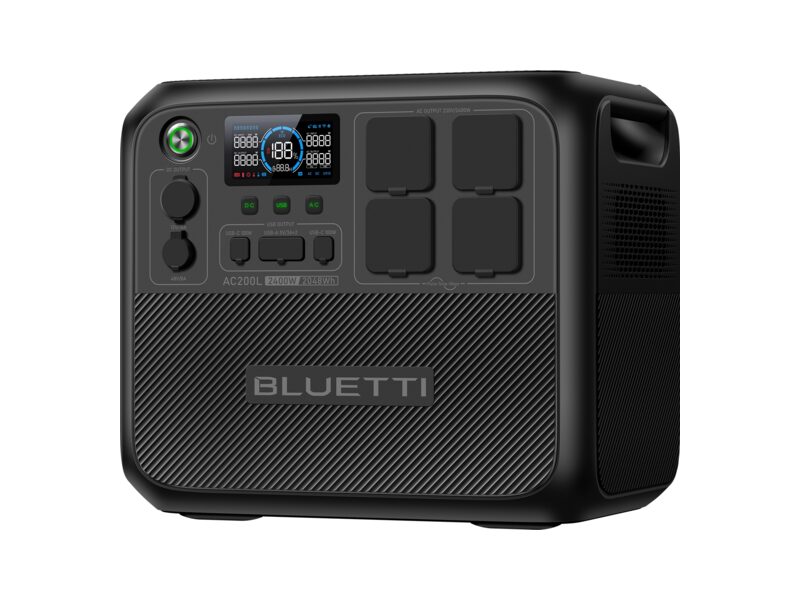
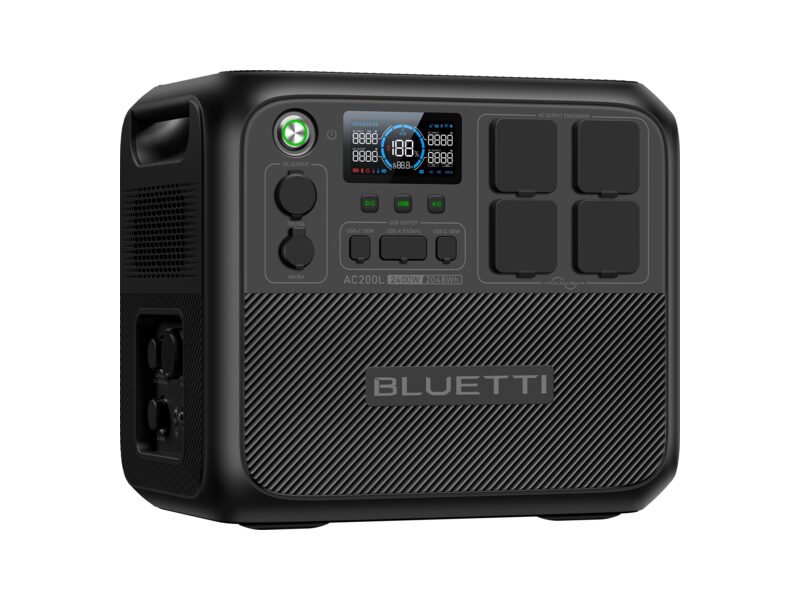
Bluetti AC200L
See price and availability (5)
2048Wh and 2400W expandable up to 8192Wh: a powerful, scalable station that grows with your needs, from the RV to home backup power.
- Capacity: 2048Wh, expandable to 8192Wh (LiFePO4)
- Power: 2400W continuous, 3600W Power Lifting
- Outputs: 4 AC outlets, 2 USB-C 100W, USB-A, car socket
- Recharge: 80% in 45 min, up to 1200W solar
- 2400W and capacity expandable up to 8192Wh
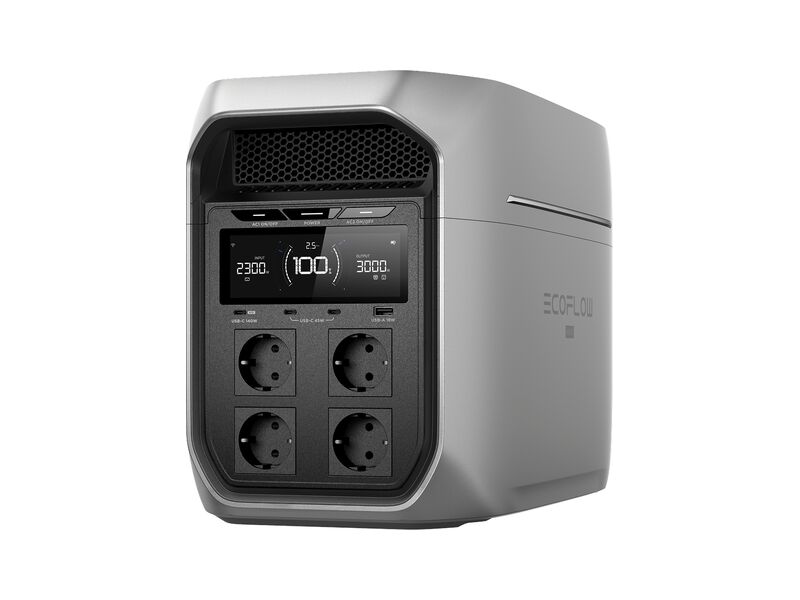
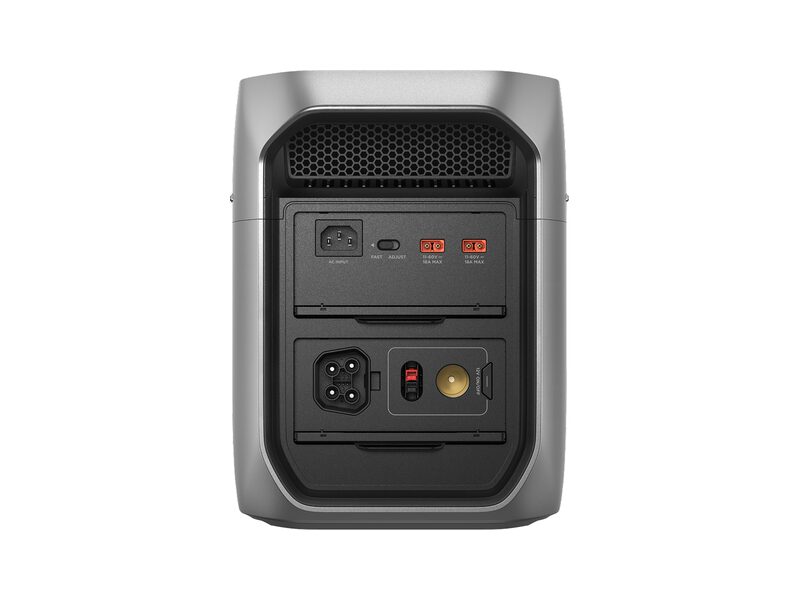
EcoFlow Delta 3 Max Plus
£1199.00 (4)
2048Wh and 3000W output to power a whole home in backup: full-tab LFP cells, 10 ms UPS switchover and expansion up to 10 kWh.
- Capacity: 2048 Wh (full-tab LiFePO4)
- Output: 3000W (up to 6000W peak)
- Recharge: 0 to 80% in 47 min (mains)
- Expandable: From 2 to 10 kWh, UPS < 10 ms
- 2048Wh, 3000W, 10 ms UPS
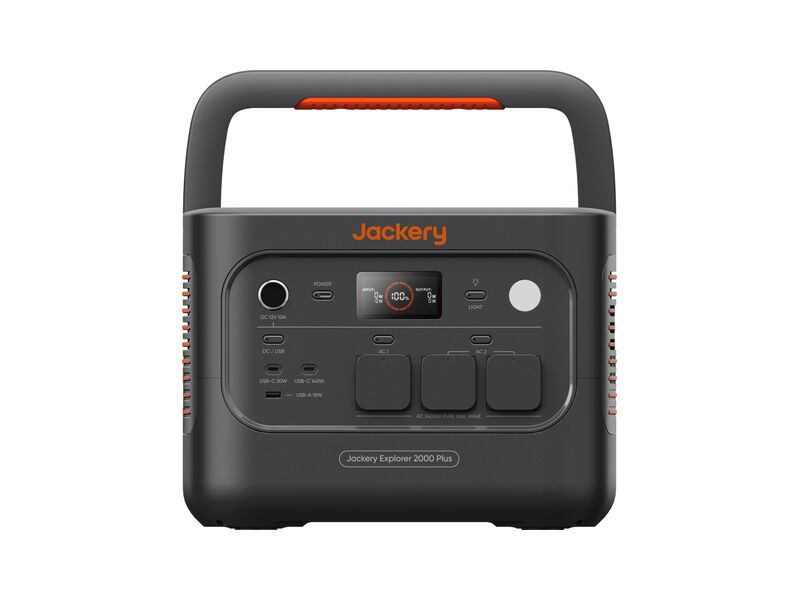
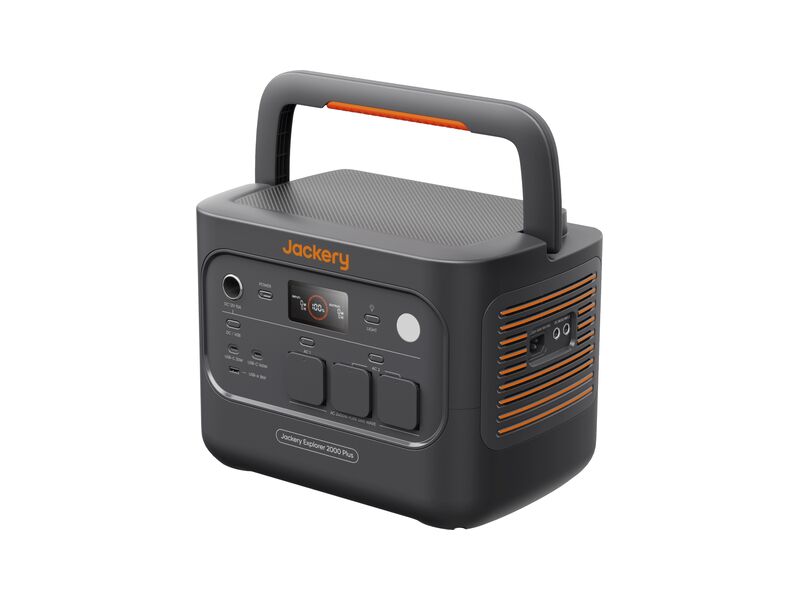
Jackery Explorer 2000 Plus v2
£949.00 (4)
2048Wh expandable to 12kWh, 2400W and 10 ms backup: Jackery's new Explorer gets lighter without giving up expansion, for home backup and travel.
- Capacity: 2048Wh LiFePO4, expandable to 12kWh
- Power: 2400W continuous, 4800W peak, 3 AC outlets
- Recharge: Mains in 1.3 h, solar up to 800W
- Weight: 19.1 kg with handle, 33% less than the 2000 Plus
- Expandable to 12kWh with 10 ms backup in 19.1 kg
Jackery HomePower 2000 Plus v2
£1199.00 £916.99
(2)
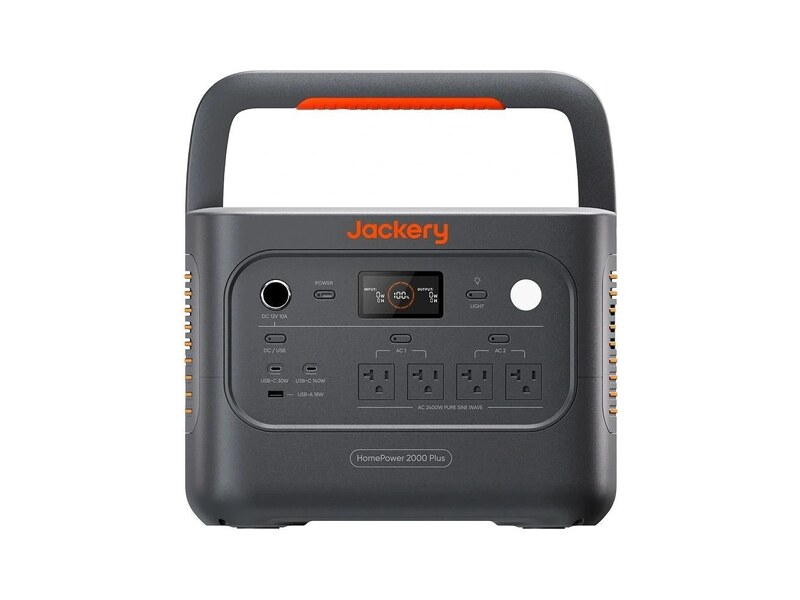
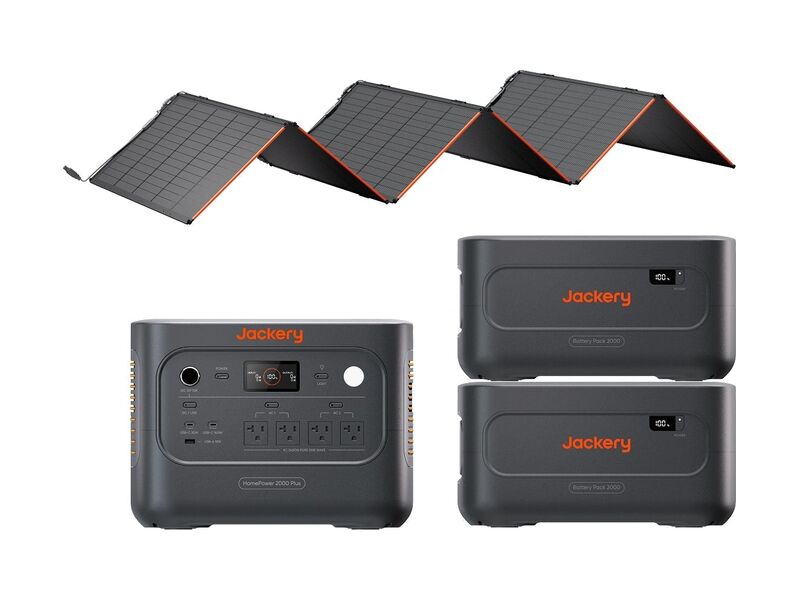
2048Wh expandable to 12kWh, 2400W and a 10ms switchover: Jackery's new home backup power station thinks big, without the usual weight.
- Capacity: 2048Wh, expandable up to 12kWh
- Power: 2400W continuous, 4800W peak
- Outputs: 4 AC outlets, 140W AVS USB-C, 30W USB-C, 18W USB-A
- Weight: 18.8kg, 34% lighter than the previous generation
- 10ms mains switchover, expandable up to 12kWh
Pecron E2400LFP
£856.00 £633.91
(2)
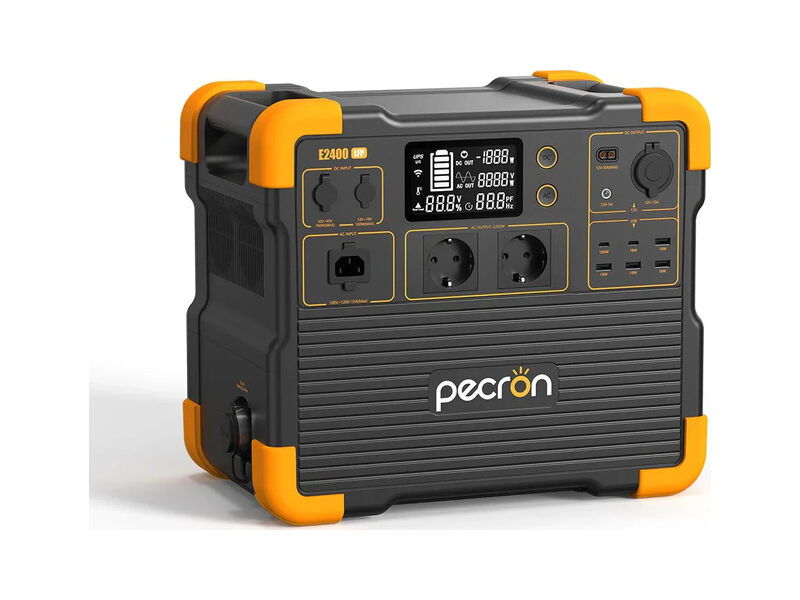
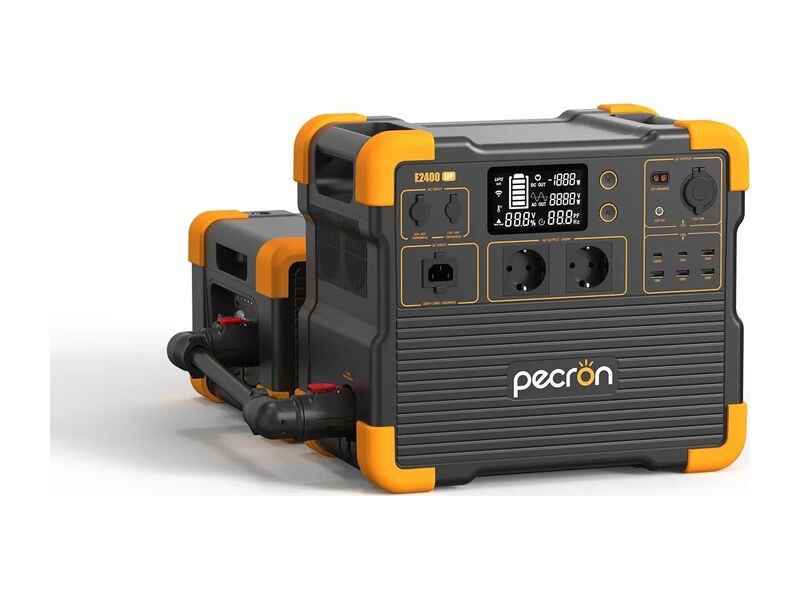
A solid home backup power station, expandable up to 8192Wh, recharging to 100% in just 1.5 hours, at a genuinely affordable price.
- Capacity: 2048Wh LiFePO4, expandable to 8192Wh
- Power: 2400W continuous, 4800W peak, pure sine wave
- Charging: 100% in 1.5h on mains power
- Outputs: 2x 230V sockets, 4x USB-A, 2x USB-C (100W), 11 total
- 2048Wh at £633, 100% in 1.5h, expandable to 8192Wh
Nitecore NES1200
£999.00 (1)
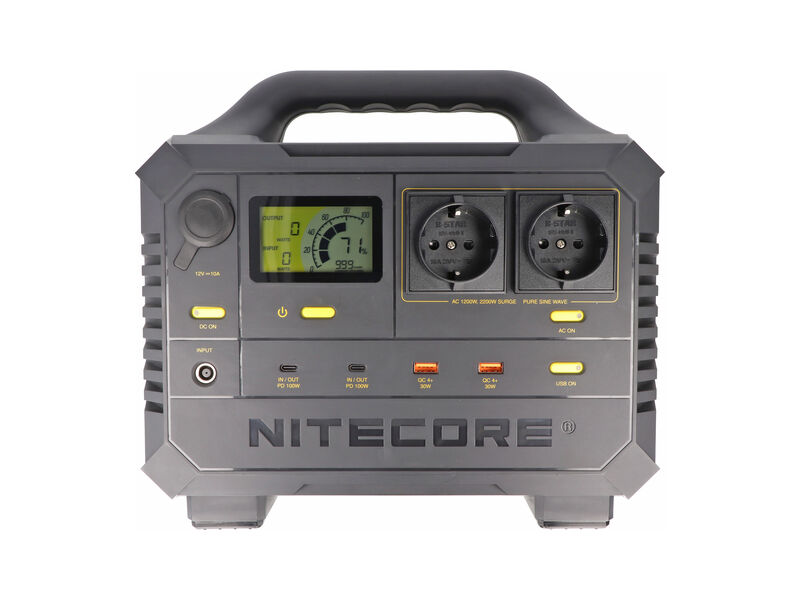
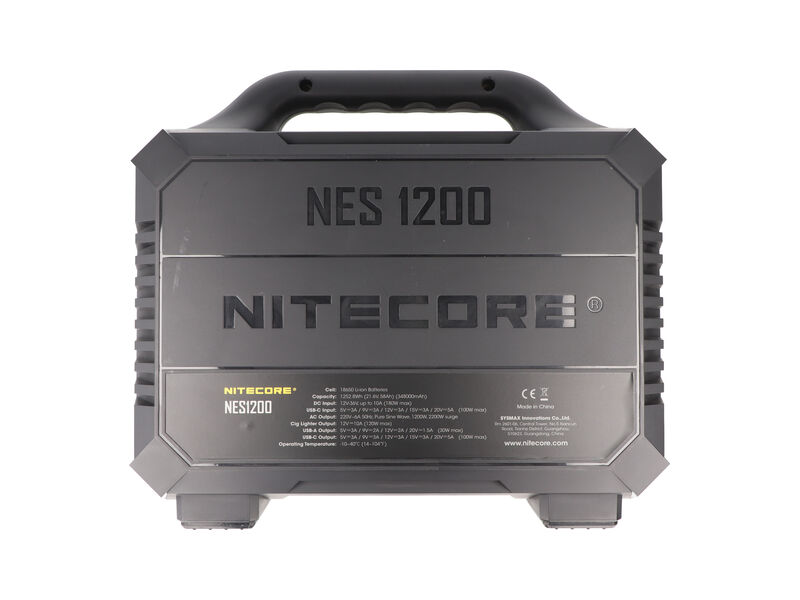
With 1252.8 Wh and 1200 W continuous (2200 W surge), the Nitecore NES1200 powers up to seven devices at once thanks to its 18650 Li-ion cells.
- Capacity: 1252.8 Wh (348,000 mAh), 18650 Li-ion cells
- Power: 1200 W continuous, 2200 W surge, pure sine wave
- Outputs: 7 ports: 2x 220 V, 2x USB-C 100 W, 2x USB-A, 12 V
- Weight: 10.65 kg (317 x 214 x 282.5 mm)
- 1200 W continuous and 7 simultaneous outputs for home or van
Allpowers R2500 V2
See price and availability (1)
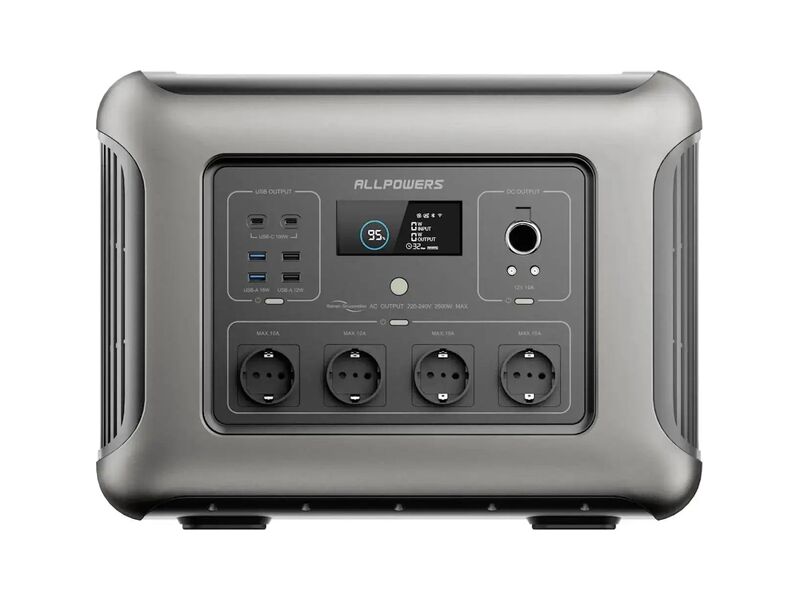
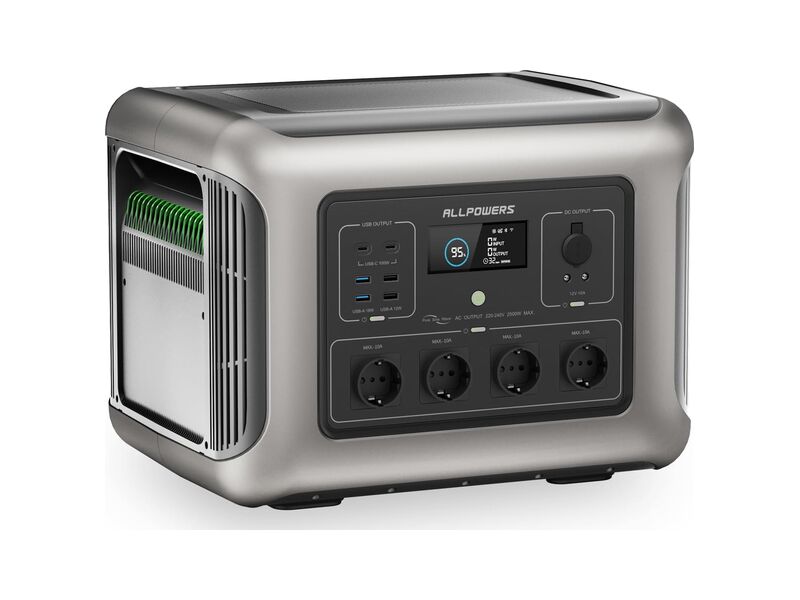
2500W (4000W peak) and 1920Wh of LiFePO4, expandable past 4000Wh, with solar input up to 1000W: the Allpowers R2500 V2 targets serious home backup and demanding campervan use.
- Power: 2500W (4000W peak)
- Capacity: 1920Wh LiFePO4 (expandable to 4320Wh)
- Solar: Input up to 1000W, built-in MPPT
- Charging: 0 to 80% in about 1 hour
- Weak point: Amperage limited per individual outlet
Related questions
A recent class A domestic fridge uses 100 to 150 kWh a year, that is roughly 0.3 to 0.4 kWh a day. A 2,000 Wh station therefore keeps it running for 4 to 5 days, provided you limit door openings. An old power-hungry model will drop to 2 days.
Yes, if the inverter delivers at least 2,000 watts continuously. But autonomy is brief: an 1,800 watt induction hob empties 2,000 Wh in a little over an hour, and a 2,200 watt kettle uses 110 Wh per litre of water. It works occasionally, not as your main kitchen.
Yes, as soon as you plug in a motor, a switched-mode power supply or medical electronics. A modified wave makes motors run hot, transformers whine, and can damage a sensitive device. Every serious station in this class runs pure sine, with quoted distortion below 3 per cent.
Between 1h30 and 2h30 on recent models that accept 1,200 to 1,800 watts of input, against 8 to 10 hours on earlier generations capped at 200 or 400 watts. Charging power is as decisive a criterion as capacity, especially for backup use.
For silent, indoor, short-duration use, yes, with no emissions and no fuel. For several days of autonomy or sustained output above 3,000 watts, no: the petrol generator remains unbeatable as long as you have fuel. Many users end up combining the two.