Very high-capacity and expandable stations
Our selection
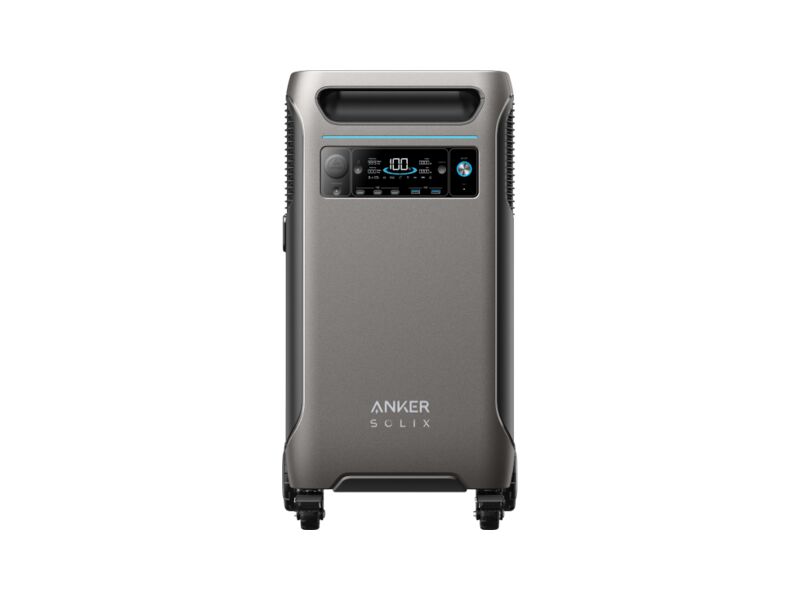
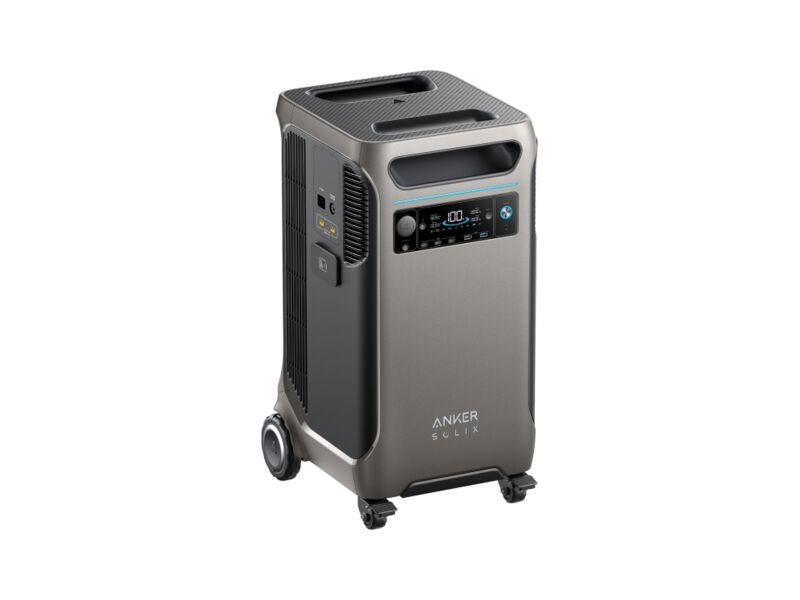
Anker SOLIX F3800
See price and availability (11)
3840Wh, 6000W and up to 26.9kWh per unit with BP3800 batteries (53.8kWh combined): the Anker power station built to back up an entire home.
- Capacity: 3840Wh (LiFePO4, expandable to 26.9kWh)
- Power: 6000W continuous, 9000W peak
- Expansion: Up to 6 BP3800 batteries (3840Wh each)
- Charging: 0 to 100% in 77 min on mains (2990W)
- Expandable to 26.9kWh per unit, 53.8kWh combined
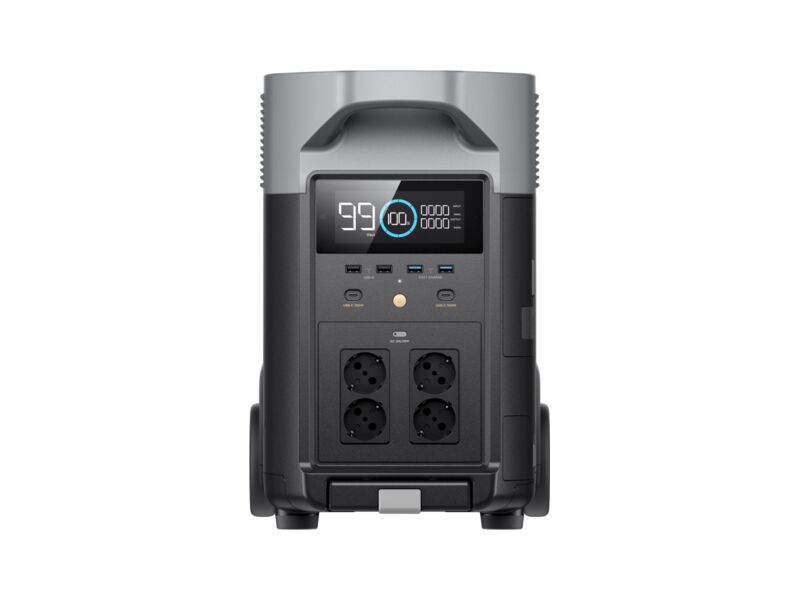
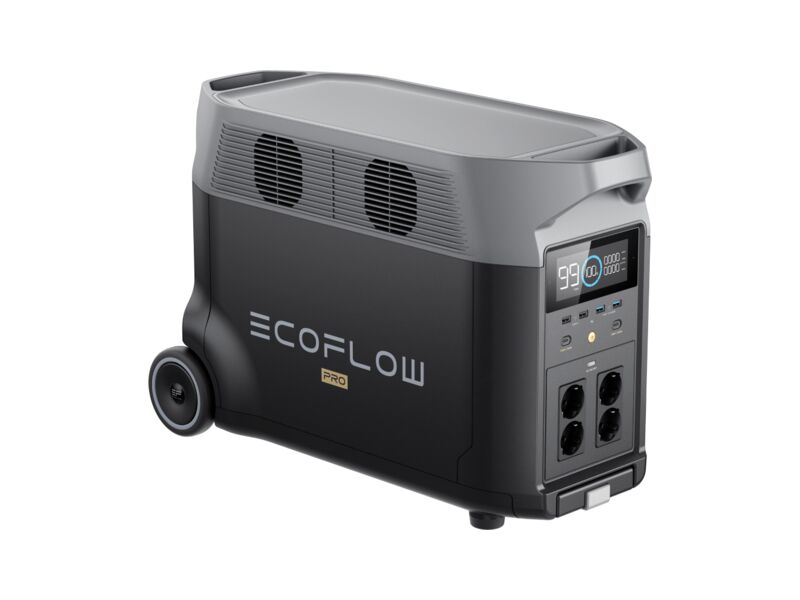
EcoFlow Delta Pro
£2499.00 (10)
3600Wh expandable to 25kWh, 3600W (4500W with X-Boost): the base of a home backup system, with a battery rated for 6500 cycles.
- Capacity: 3600 Wh, expandable up to 25 kWh
- Power: 3600 W (4500 W with X-Boost)
- Recharge: Up to 6500 W (AC + solar + generator)
- Endurance: 6500 cycles (50% remaining capacity)
- Expandable to 25kWh, growing home ecosystem
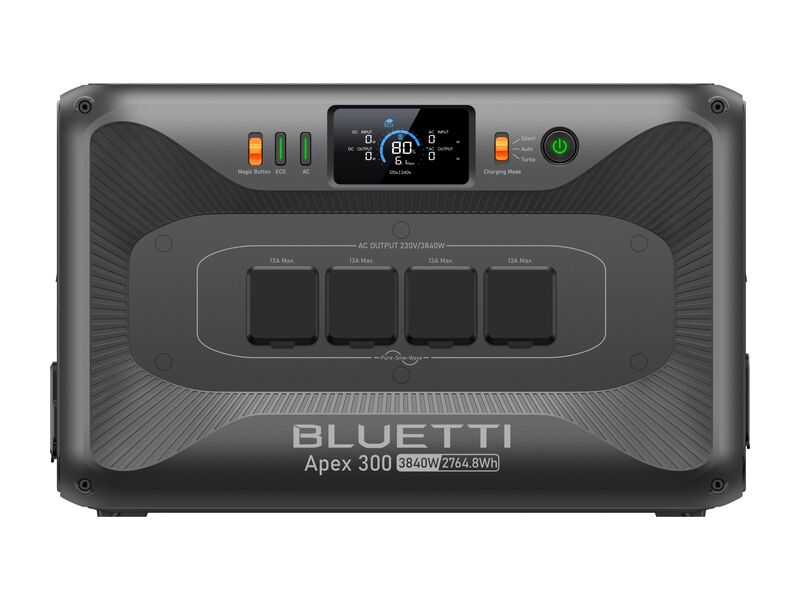
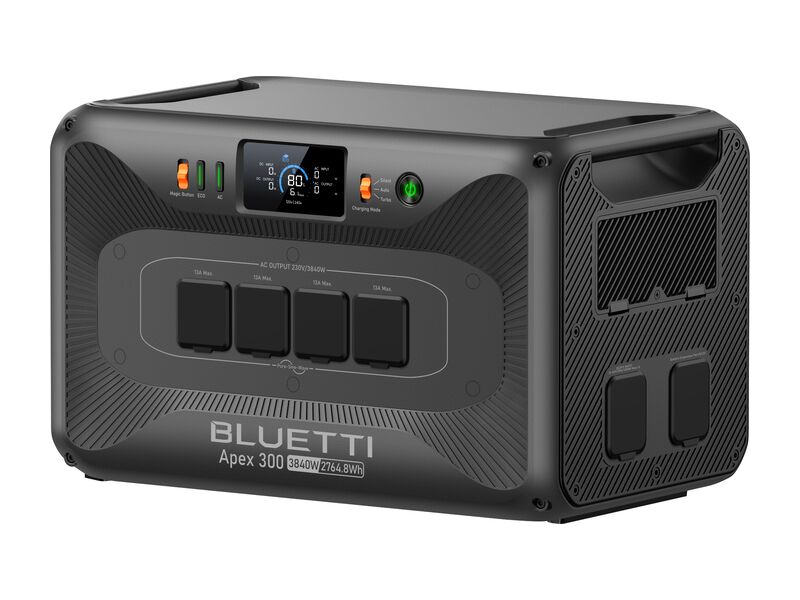
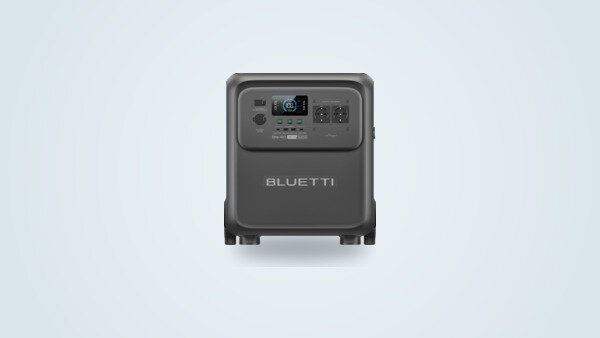
Bluetti Apex 300
£1599.00 (9)
Bluetti's modular home backup station: a 3840 W core, batteries added as your needs grow, and a UPS that switches over to battery in just 20 ms.
- Capacity: 2764.8 Wh (LiFePO4), up to 19.4 kWh per unit
- Power: 3840 W continuous, 7680 W peak (resistive loads)
- Recharge: 2300 W from a wall socket, 3840 W with the Hub A1 (Turbo), 2400 W solar
- Size: 38 kg, 52.5 x 32.7 x 32 cm, IP20
- Modular up to 58 kWh, 20 ms UPS
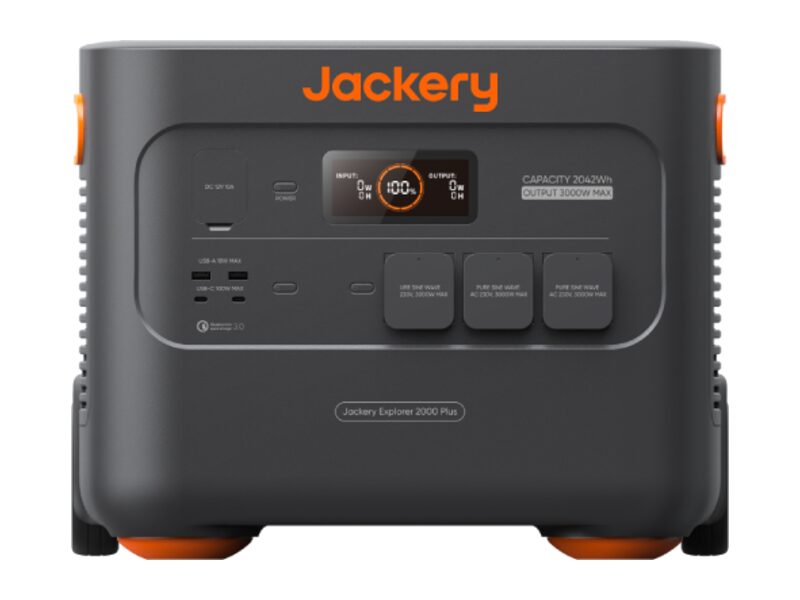
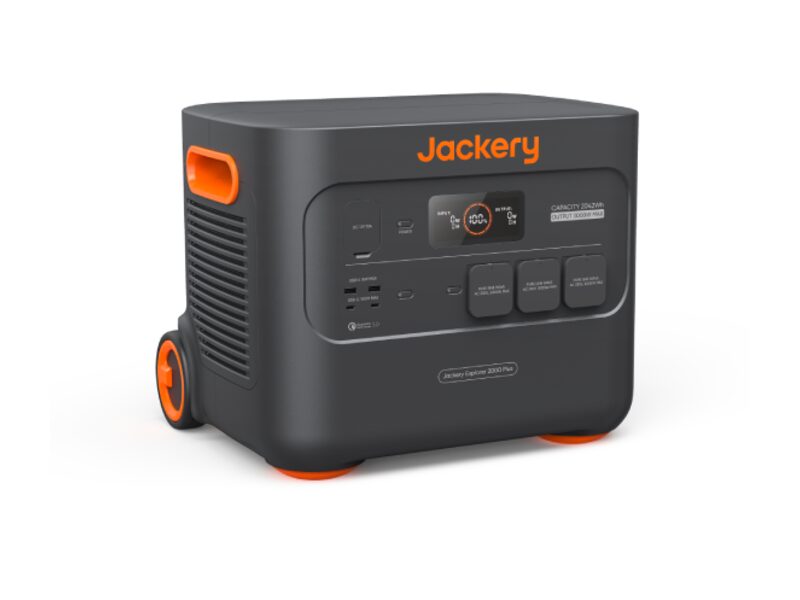
Jackery Explorer 2000 Plus
See price and availability (8)
Jackery's big expandable: 2042 Wh and 3000 W, expandable to 12 kWh (24 kWh with two stations), with a 1400 W solar input and 95-minute mains charging.
- Capacity: 2042 Wh (LiFePO4, expandable to 12 kWh)
- Power: 3000 W (surge 6000 W)
- Solar: Up to 1400 W (2 inputs)
- Recharge: 0 to 100% in 95 min (mains)
- Expandable to 12 kWh, 24 kWh with two stations
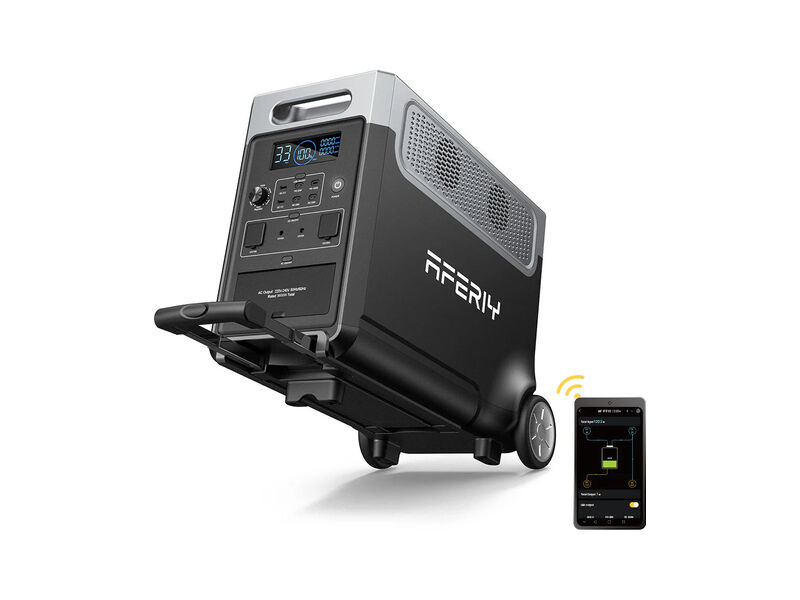
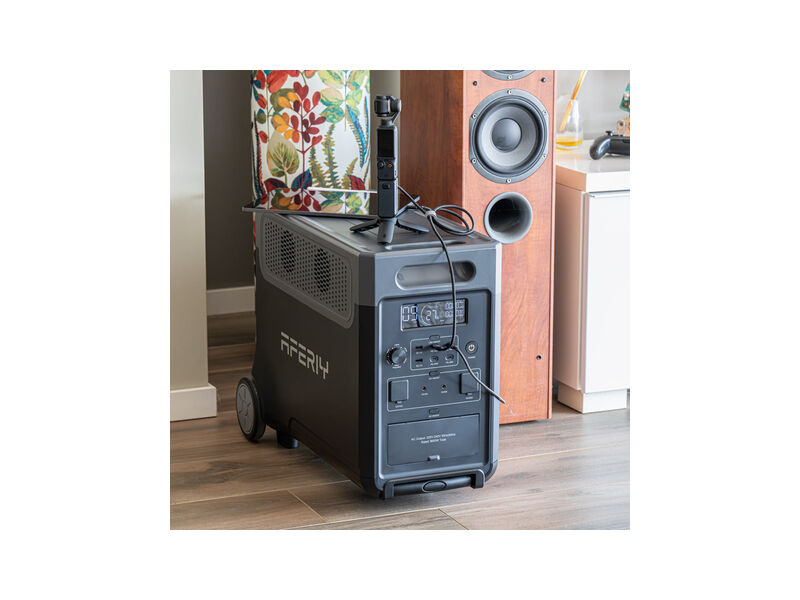
Aferiy P310
See price and availability (8)
With 3840 Wh expandable to 11520 Wh, 3600 W (7200 W peak) and a 7 year warranty, the Aferiy P310 aims for accessible high end power.
- Capacity: 3840 Wh (expandable to 11520 Wh), LiFePO4
- AC output: 3600 W, up to 7200 W peak, pure sine wave
- Ports: 3 AC outlets, 4 USB-C (100 W), 2 USB-A, XT60, DC
- Warranty: 7 years, UPS function (under 10 ms switchover)
- 3840 Wh expandable to 11520 Wh, 7 year warranty
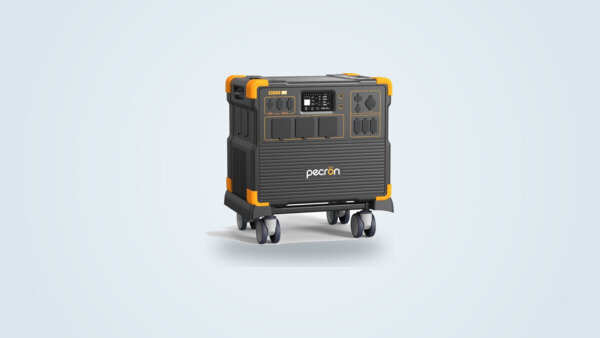
Pecron F3000LFP
See price and availability (7)
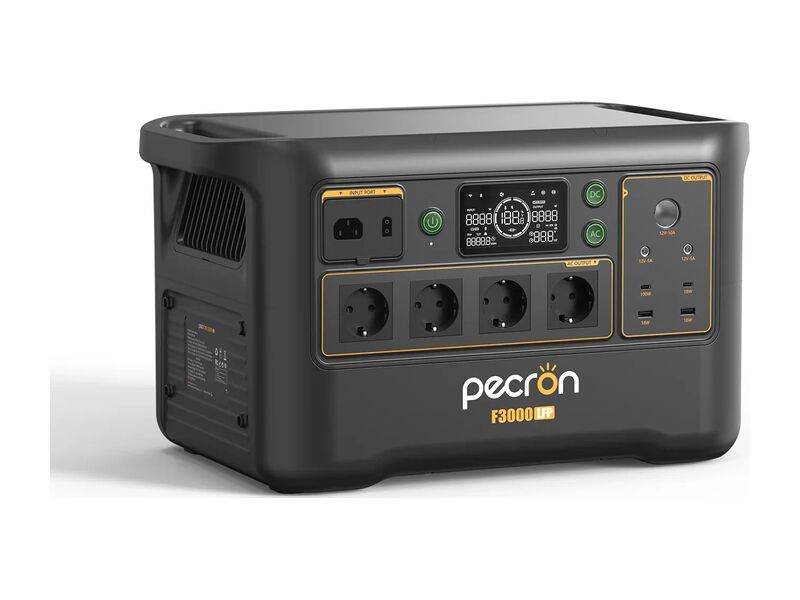
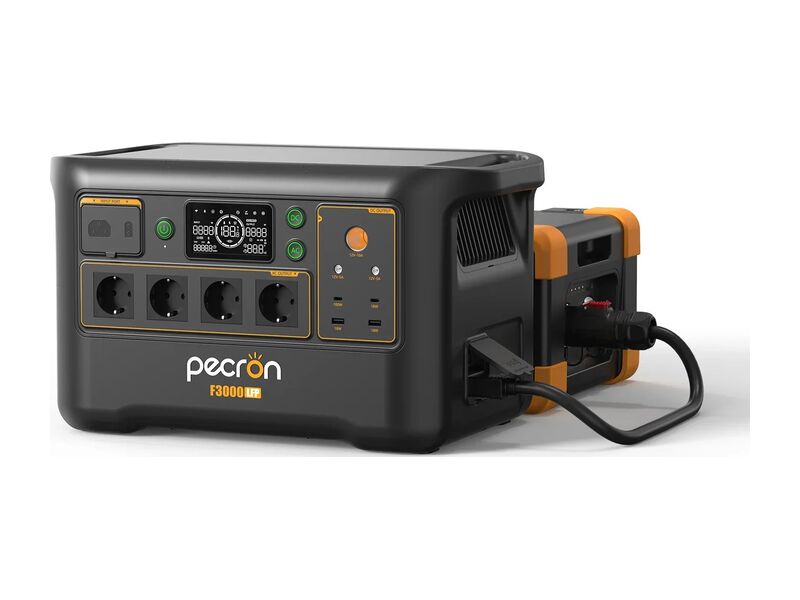
A rugged, expandable backup power station that powers your whole home today and keeps growing up to 10752Wh as your needs increase over time.
- Capacity: 3072Wh LiFePO4, expandable to 10752Wh
- Power: 3600W continuous, 4500W peak, pure sine wave
- Charging: 100% in 2h on mains power (1800W)
- Outputs: 4x 230V sockets, 100W USB-C, 13 outputs total
- 3072Wh from £1199, 100% in 2h, expands to 10752Wh
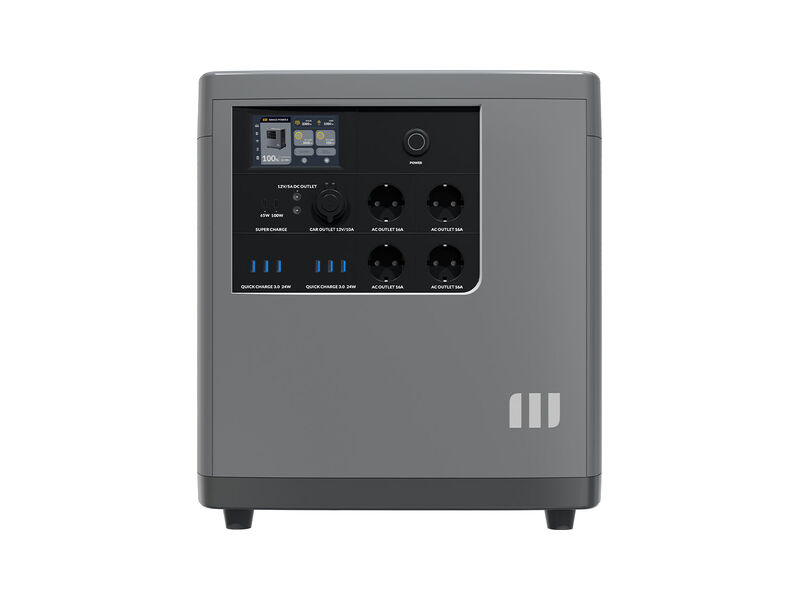
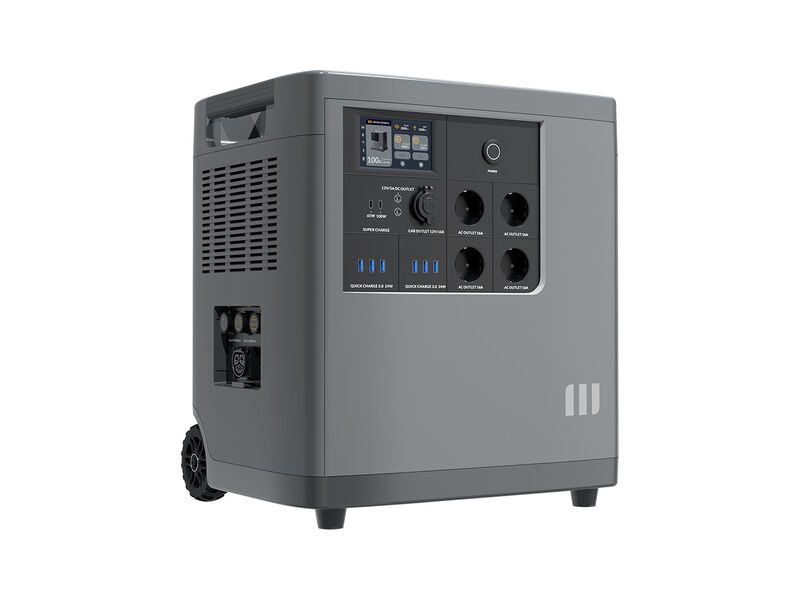
Mango Power Mango Power E
£3430.34 (7)
A rolling furniture unit with a built-in touchscreen, the Mango Power E stores 3533 Wh (expandable to 7060 Wh) and outputs 3500 W to back up your home.
- Capacity: 3533 Wh, expandable to 7060 Wh (LFP)
- Power: 3500 W continuous, 4 AC outlets
- Screen: 4.3-inch integrated colour touchscreen
- Weight: 45.4 kg (100 lb) on wheels
- Rolling furniture design with built-in touchscreen
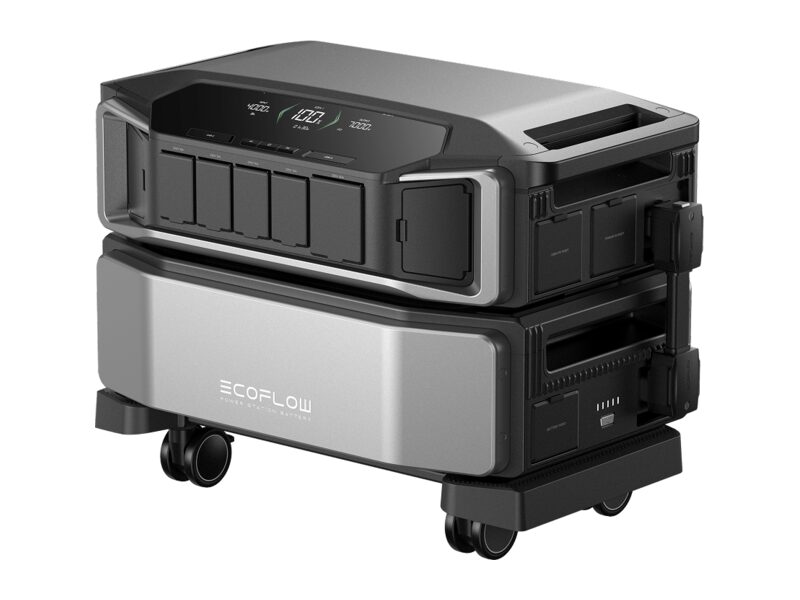
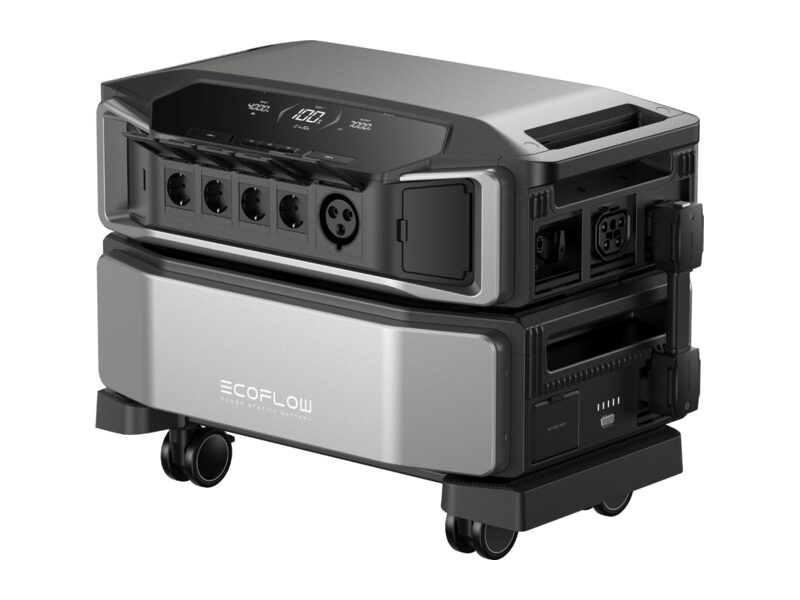
EcoFlow Delta Pro Ultra
£4498.00 £4299.00
(7)
EcoFlow's modular home system: 6 to 30 kWh per inverter (up to 90 kWh), 7200 W and an online UPS to back up an entire house.
- Capacity: 6144 Wh per battery (expandable to 30 kWh)
- Inverter: 7200 W (up to 21.6 kW in triple)
- UPS: Online, switchover under 20 ms
- Solar: Up to 5600 W (dual MPPT)
- Modular home system up to 90 kWh
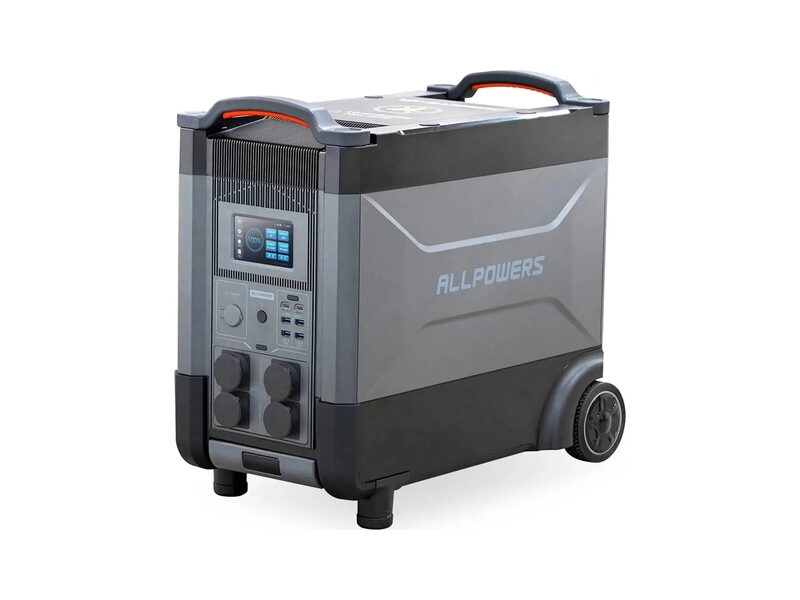
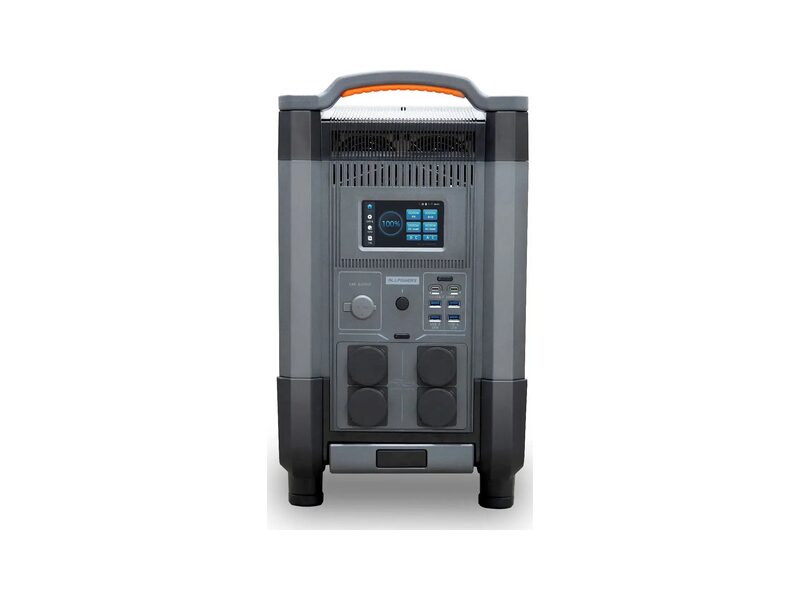
Allpowers R4000
See price and availability (5)
3456Wh and 3600W in a wheeled format: the big station that backs up the whole home, recharges to 100% in one hour and is controlled by voice.
- Capacity: 3456 Wh (LiFePO4)
- Power: 3600 W (6000 W surge)
- Recharge: 0-100% in about 1h
- Comfort: Touchscreen, voice, wheels
- 3456Wh, 3600W, 1h recharge, mobile
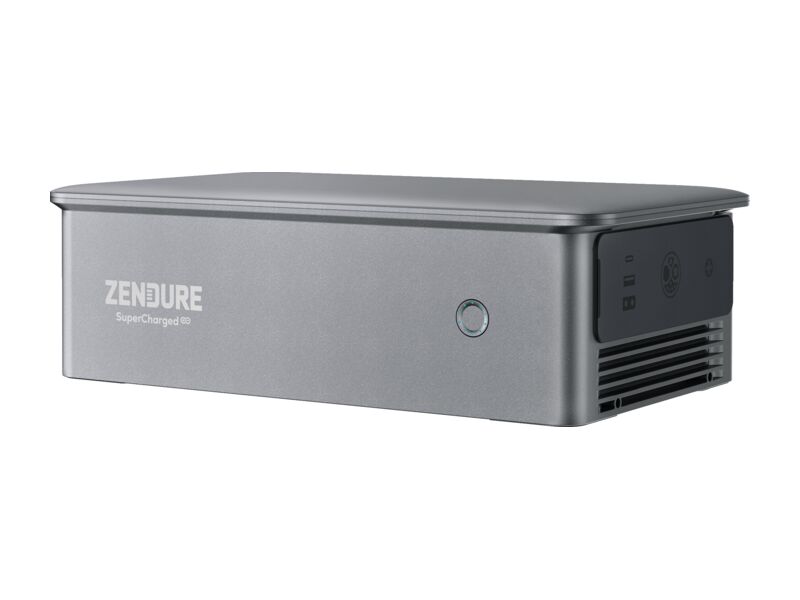
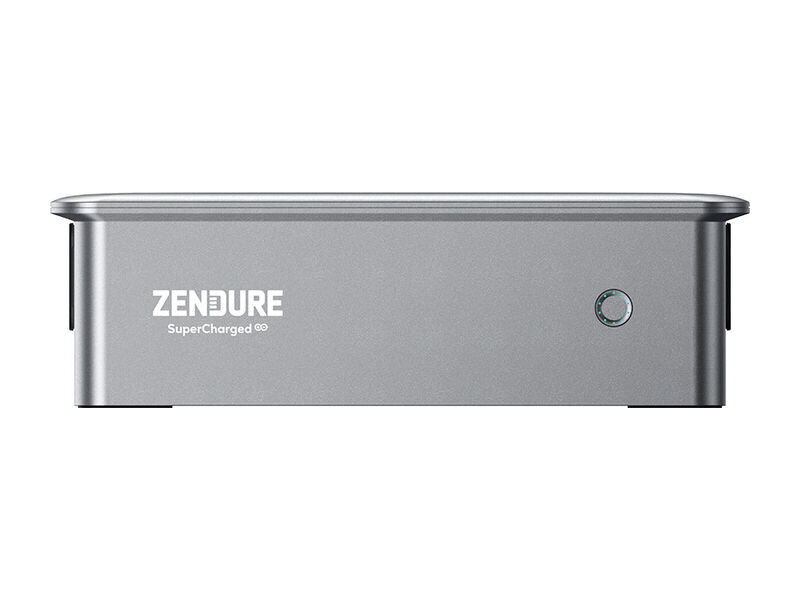
Zendure Ace 1500
£499.00 £410.89
(4)
1500 W (3000 W peak) in a 4 kg case, with no battery included: the Zendure hub that pairs freely with AB1000 or AB2000 batteries.
- Output: 1500 W continuous, 3000 W peak
- Battery: None included, compatible with AB1000/AB2000, up to 7680 Wh
- Charging: 900 W mains, 400 W direct solar
- Format: Compact, 4 kg, IP31
- 100% modular capacity depending on the batteries paired
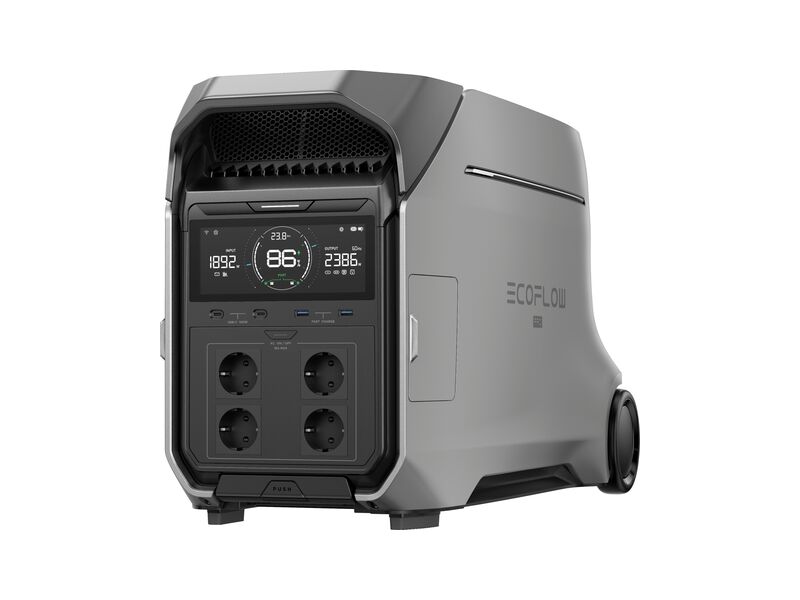
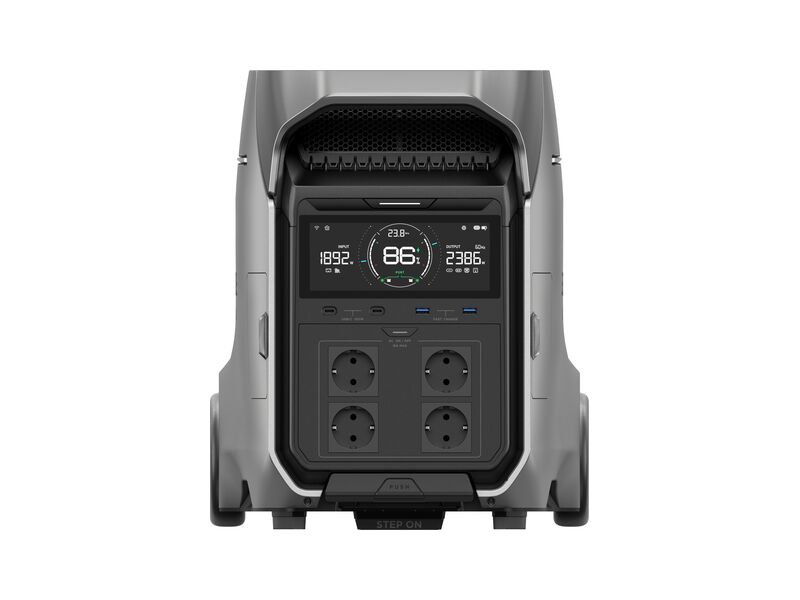
EcoFlow Delta Pro 3
£2799.00 (4)
4096Wh and 4000W output to power a whole home, quiet (30 dB) and expandable up to 12 kWh: the home backup station par excellence.
- Capacity: 4096 Wh (LiFePO4, 4000 cycles)
- Output: 4000W (X-Boost 6000W)
- Expandable: From 4 to 12 kWh (add-on batteries)
- Recharge: 0 to 80% in 1 h, solar 2600W
- 4096Wh, 4000W, home backup
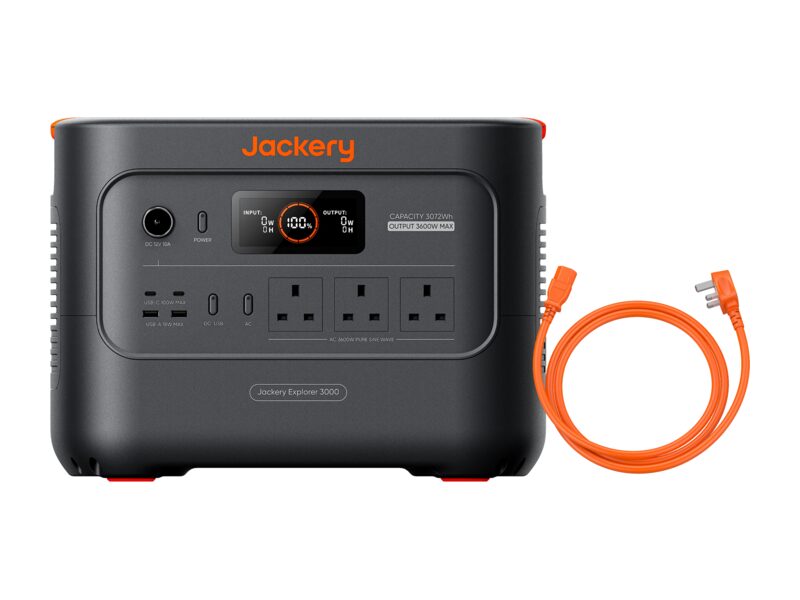
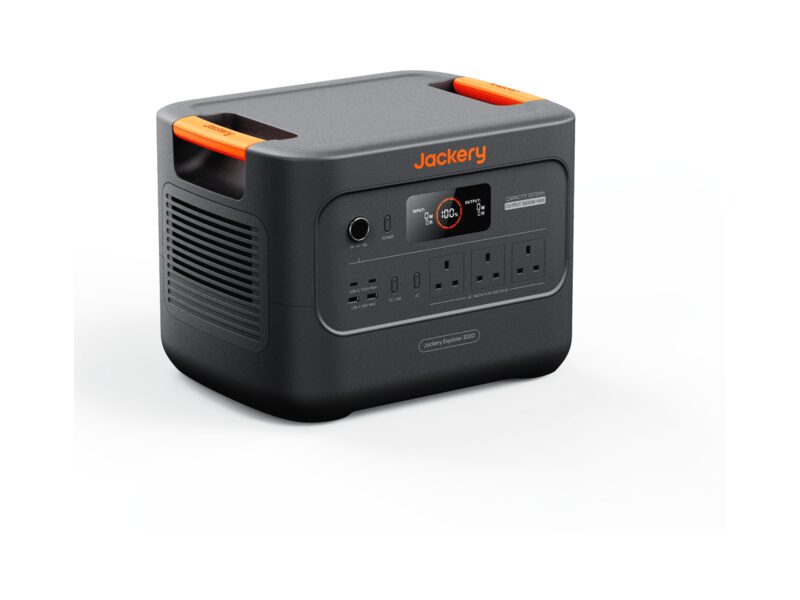
Jackery Explorer 3000 v2
See price and availability (4)
3072Wh and 3600W to run almost the whole home: fridge, hobs, tools. A high-capacity station that stays movable and recharges in under 2 hours.
- Capacity: 3072Wh (LiFePO4 battery)
- Power: 3600W continuous, 7200W peak
- Outputs: 3 AC outlets, 2 USB-C 100W, 2 USB-A, 1 car socket
- Recharge: Full in 1h48 mains, up to 1000W solar
- 3600W and UPS backup for the whole home
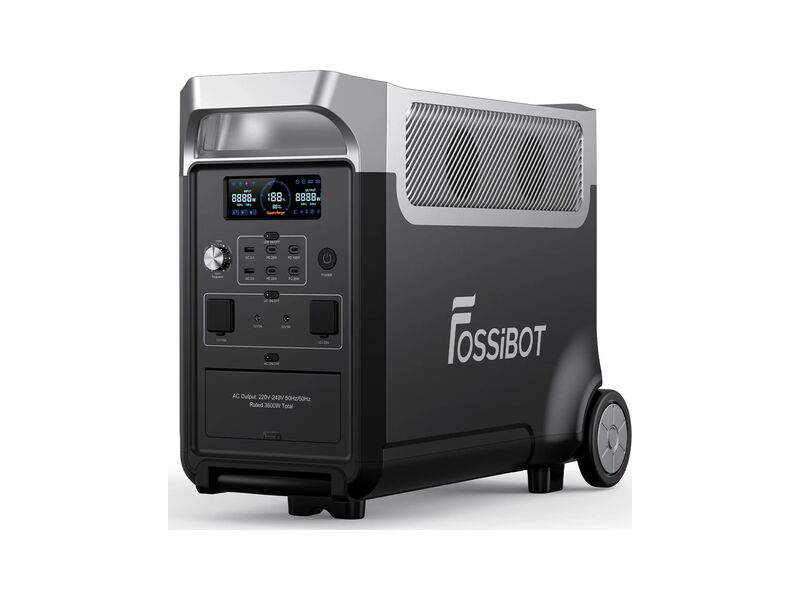
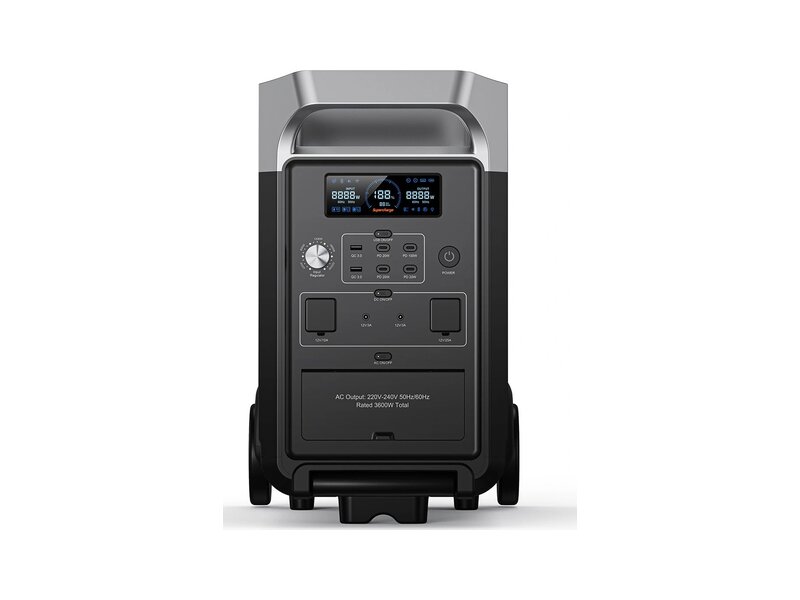
Fossibot F3600 Pro
See price and availability (4)
Powerful enough to back up the whole home: the Fossibot F3600 Pro delivers 3600W, stores 3840Wh expandable to 11520Wh and recharges at full speed.
- Capacity: 3840Wh (expandable 11520Wh)
- Power: 3600W (7200W surge)
- Battery: LiFePO4, 4000+ cycles
- Extras: UPS, WiFi/Bluetooth app, wheels
- 3600W and 3840Wh expandable to 11520Wh, ultra-fast charging
Bluetti Elite 300
£1599.00 £1299.00
(4)
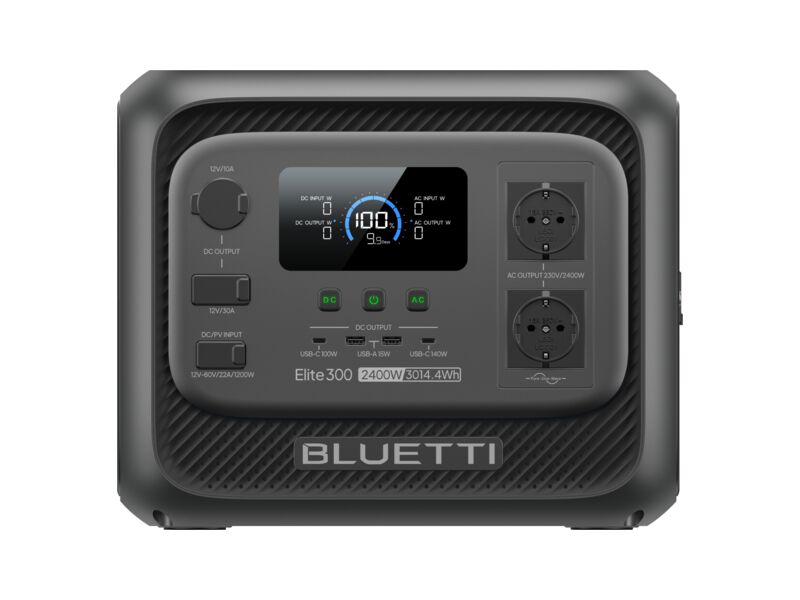
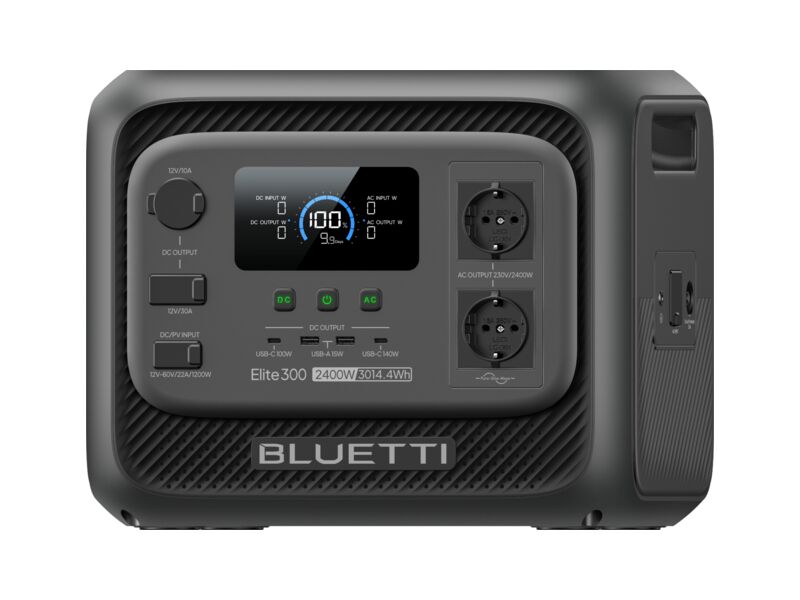
3014 Wh, 2400 W (4800 W surge) in just 26.3 kg: certified by Frost & Sullivan as the world's most compact 3 kWh power station.
- Capacity: 3014 Wh (LiFePO4), 6000 cycles to 80%
- Power: 2400 W continuous, 4800 W surge
- Charging: 2300 W mains (80% in 1h36), 1200 W solar
- Compact: 26.3 kg, 36.6 x 30.5 x 29.75 cm
- The most compact 3 kWh station on the market, Frost & Sullivan certified
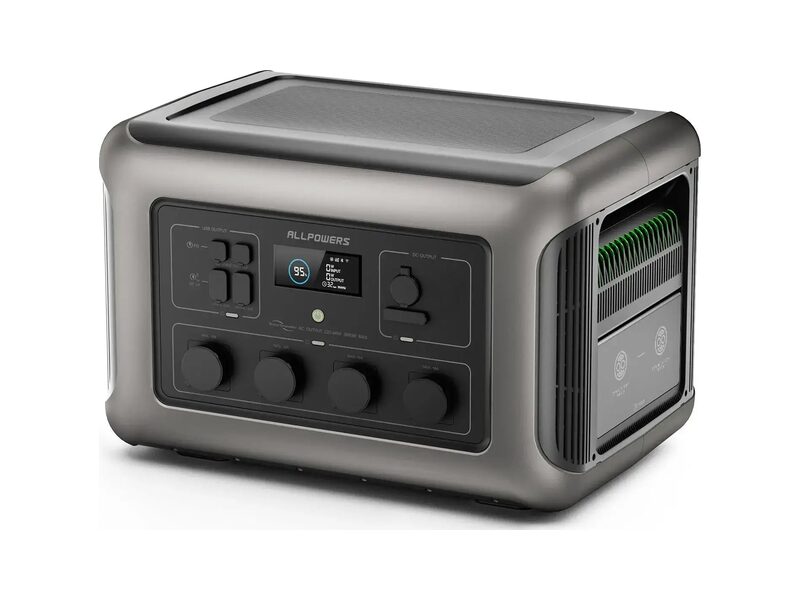
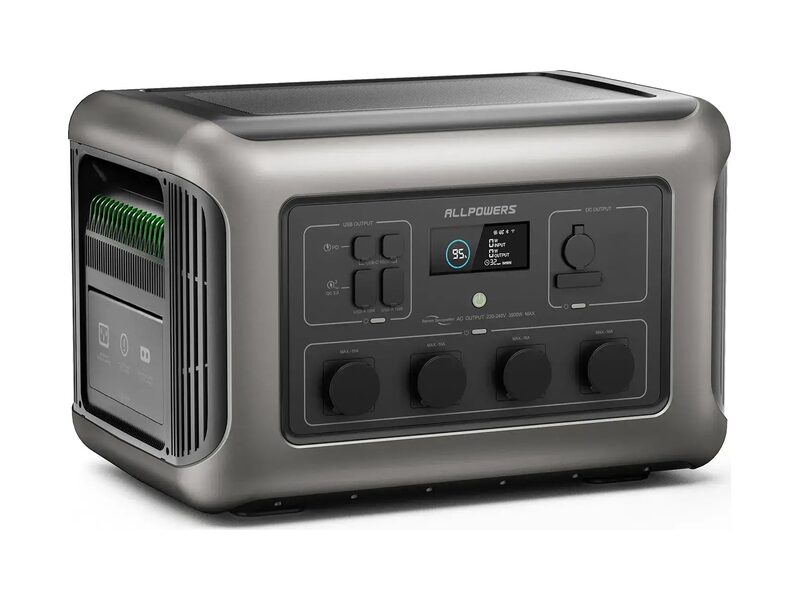
Allpowers R3500 V2
See price and availability (4)
2880Wh and 3500W (7000W peak): the powerful station that recharges fully in one and a half hours, protects your devices during outages and doubles its capacity in parallel.
- Capacity: 2880 Wh (LiFePO4, expandable)
- Power: 3500 W (7000 W peak)
- Recharge: 0-100% in 1.5h (AC+solar 3300W)
- Backup: UPS function, 15 ms switchover
- 2880Wh, 3500W, UPS, expandable
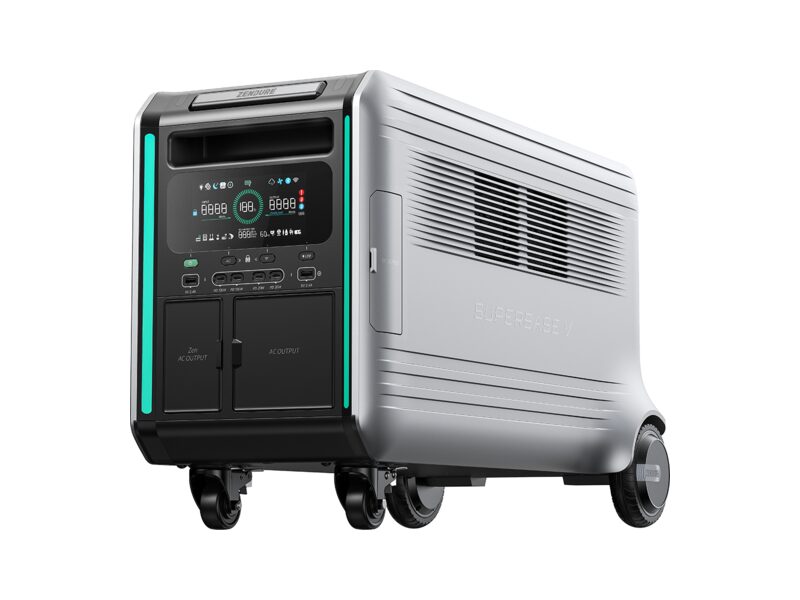
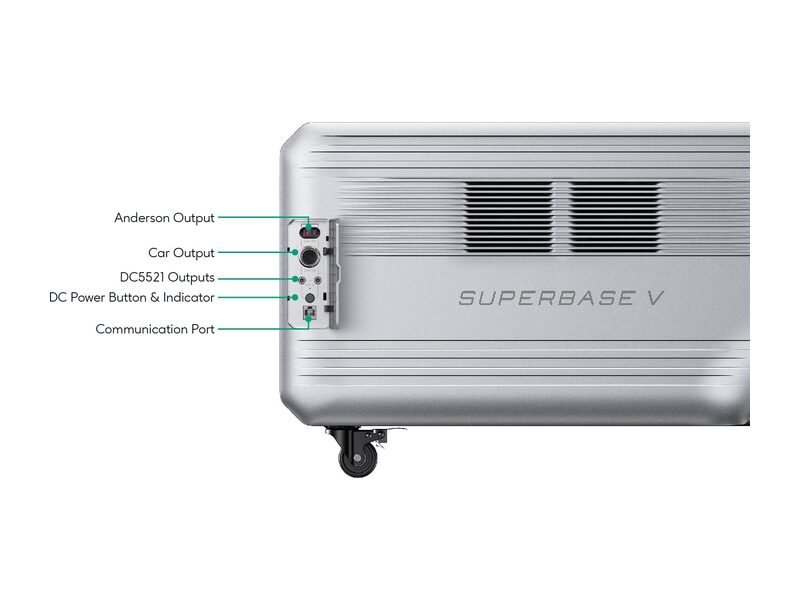
Zendure SuperBase V
£4288.14 (3)
Two versions: 4608Wh in LFP (V4600) or 6438Wh in semi-solid-state (V6400), expandable to 23kWh per station. 3800W and built-in wheels: a genuine home backup solution.
- Capacity: 4608Wh (V4600) or 6438Wh (V6400), up to 23kWh per station
- Technology: LFP (V4600) or semi-solid-state (V6400)
- Power: 3800W (dual-voltage)
- Mobility: Built-in wheels + telescopic handle
- Expandable to 23kWh per station, 46kWh with two
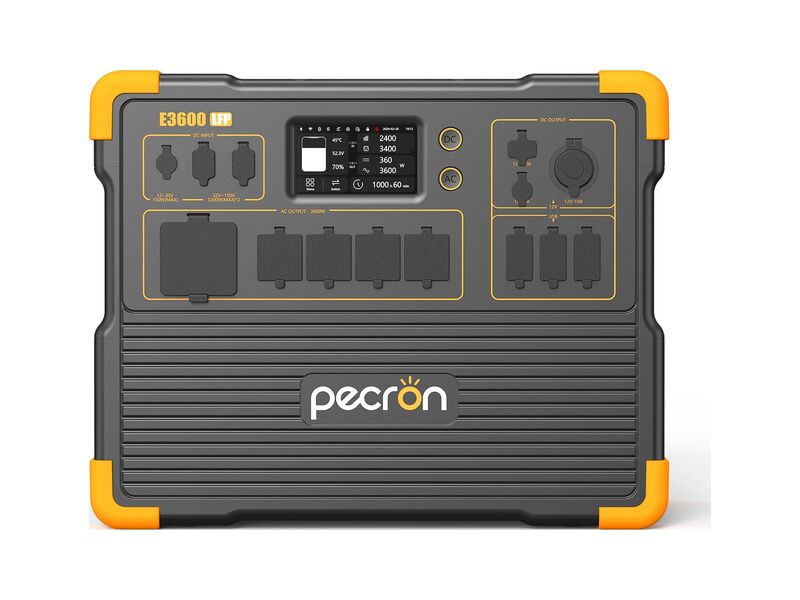
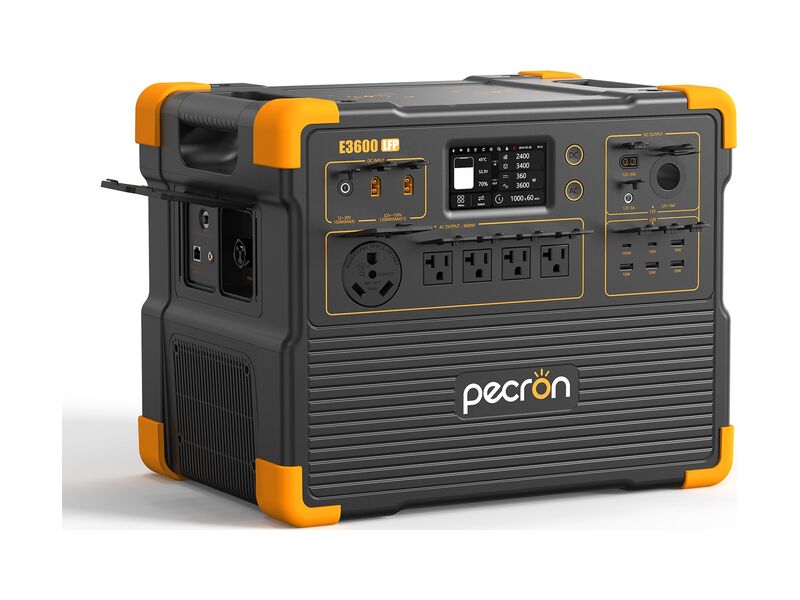
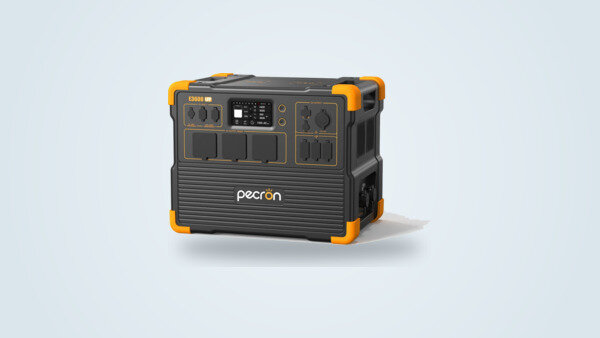
Pecron E3600LFP
£1698.00 £856.94
(3)
A very high-capacity Pecron station: 3072Wh expandable up to 15,360Wh, 3600W continuous output and a full recharge in about 1.5 hours.
- Capacity: 3072Wh LiFePO4, expandable to 15,360Wh
- Power: 3600W continuous, 7000W peak, pure sine wave
- Charging: 100% in about 1.5h on mains (3200W)
- Outputs: 3x 230V sockets, 100W USB-C, 14 outlets total
- 3072Wh expandable to 15,360Wh, full charge in 1.5h
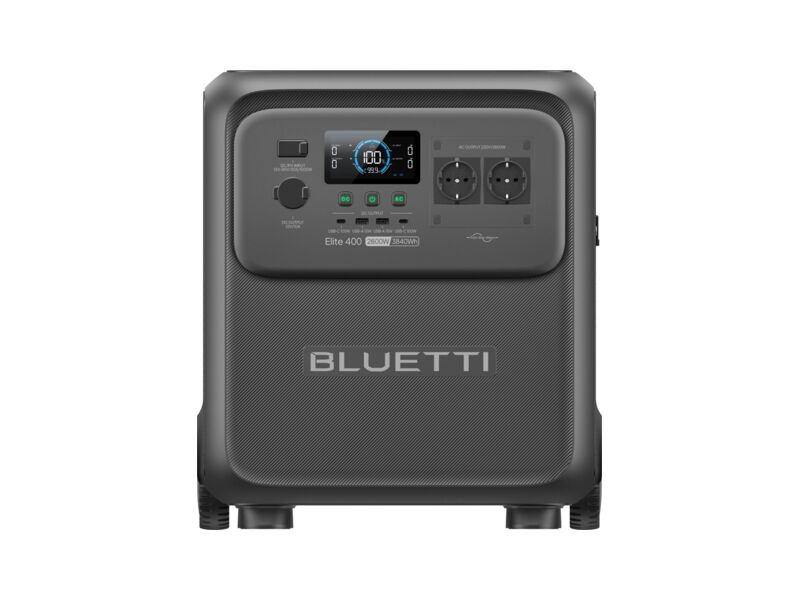
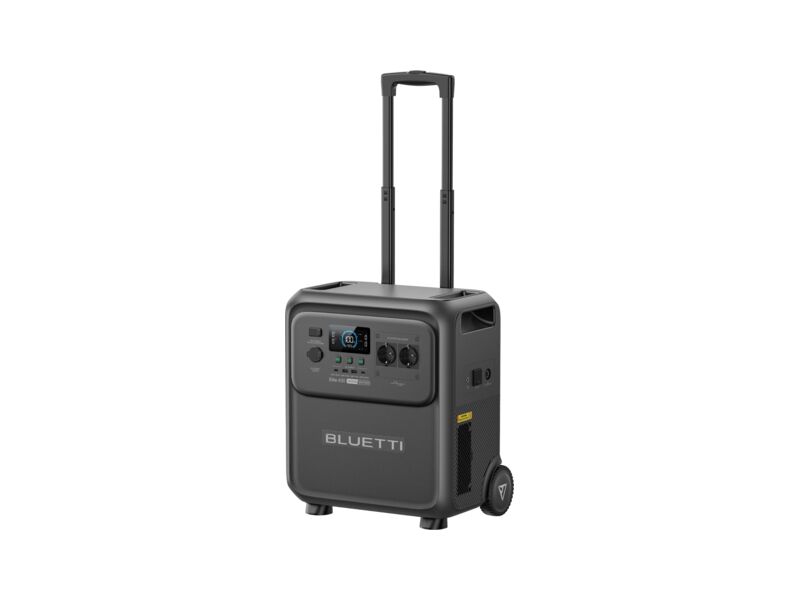
Bluetti Elite 400
£1899.00 £1599.00
(2)
3840Wh and 2600W (3900W Power Lifting) in a rolling power station: 80% recharge in 1h, 15ms UPS switching and remote Wi-Fi control.
- Capacity: 3840 Wh (LiFePO4)
- Power: 2600 W (3900 W Power Lifting, 5200 W peak)
- Recharge: 80% in about 1h (AC + solar)
- Portability: 39 kg, wheels and telescopic handle
- 3840Wh on wheels, fast recharge, 15ms UPS
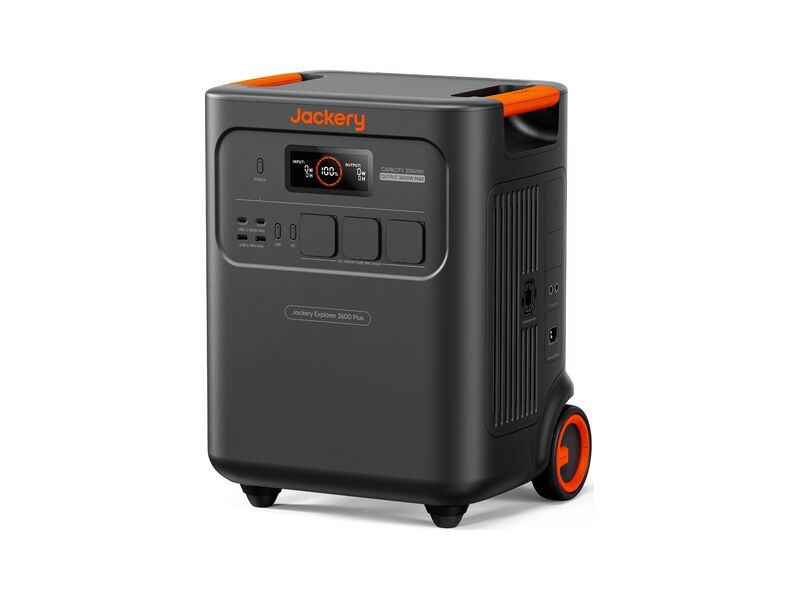
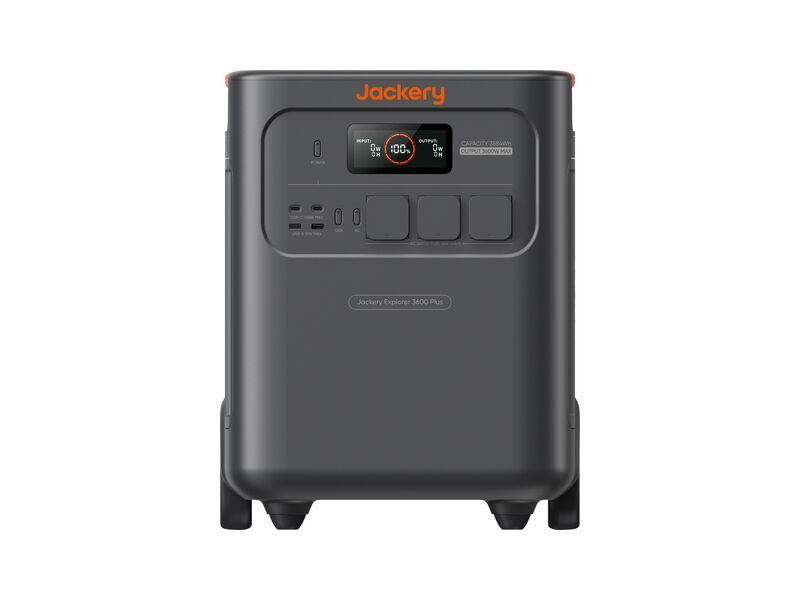
Jackery Explorer 3600 Plus
£1512.00 (1)
3584 Wh and 3600 W on wheels: Jackery's high-capacity LFP station rolls like a suitcase and expands to 21.5 kWh with extra battery packs.
- Capacity: 3584 Wh LiFePO4, expandable to 21.5 kWh
- Power: 3600 W continuous, 7200 W peak
- Recharge: 80% in 1.5 h from the mains, solar up to 1000 W
- Weight: 35 kg, wheels and telescopic handle
- 3.6 kWh LFP on wheels with UPS in under 10 ms
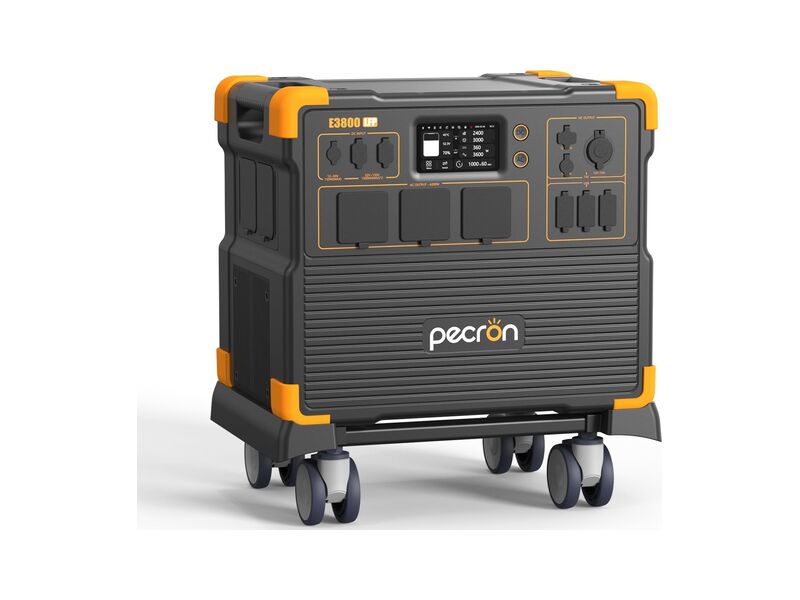
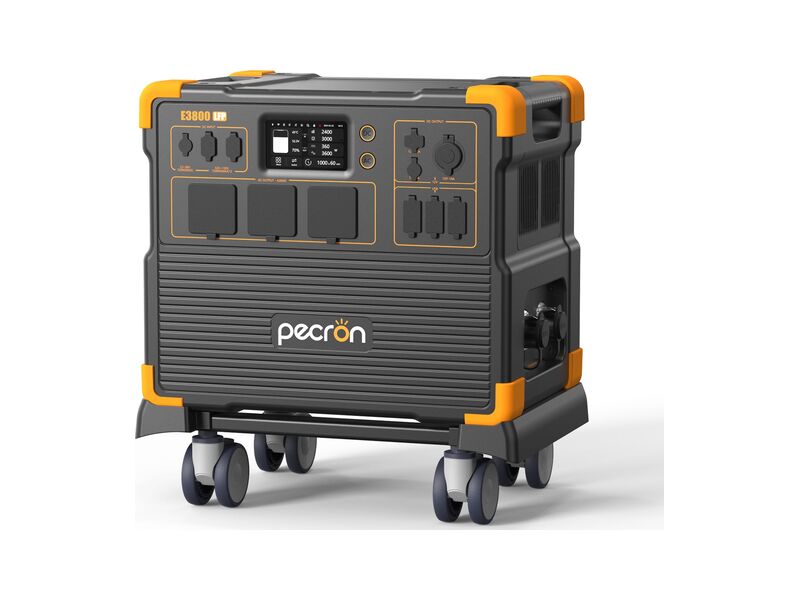
Pecron E3800LFP
£1771.00 £1114.28
A portable power station expandable up to 22274Wh: it powers your whole home today and grows with your needs, without changing station.
- Capacity: 3840Wh LiFePO4, expandable to 22274Wh
- Power: 4200W continuous, pure sine wave
- Charging: 100% in 1h24 on mains power (3200W)
- Outputs: 3x 230V sockets, 100W USB-C, 12 outputs total
- 3840Wh from £959, 100% in 1h24, expands to 22274Wh
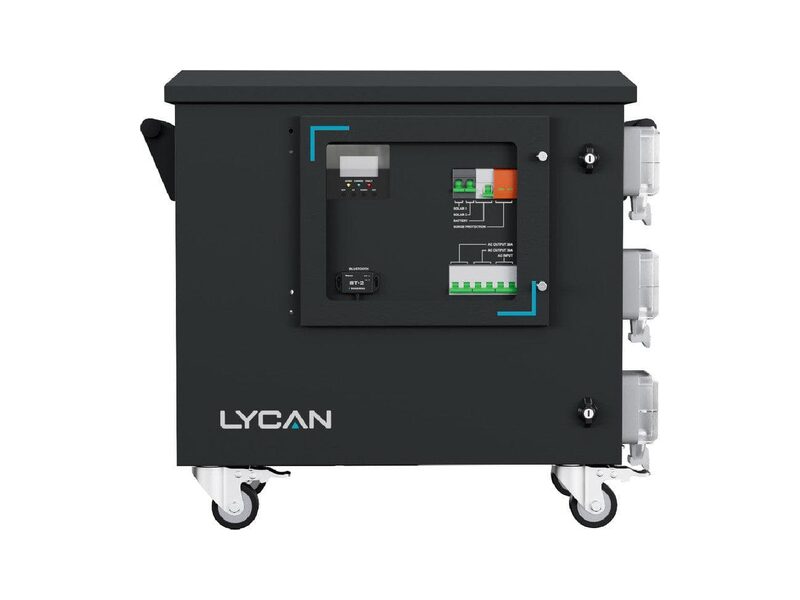
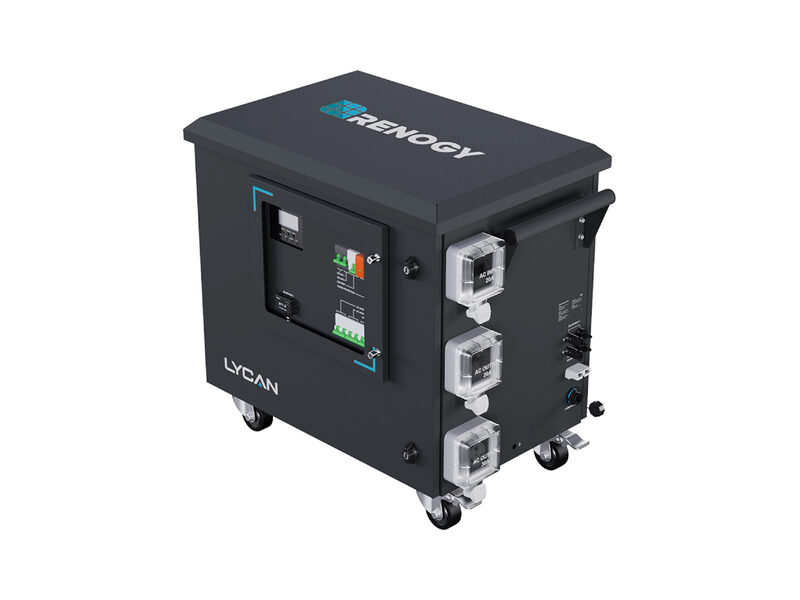
Renogy Lycan 5000
£4274.15
4800Wh and 3500W in an all-in-one solar backup system on wheels: the Renogy Lycan 5000 powers a whole home and recharges from solar.
- Capacity: 4800Wh (48V LiFePO4 battery)
- Power: 3500W continuous, 7000W peak
- Backup: UPS function (instant switchover)
- Solar: Built-in MPPT solar input
- All-in-one solar backup system on wheels
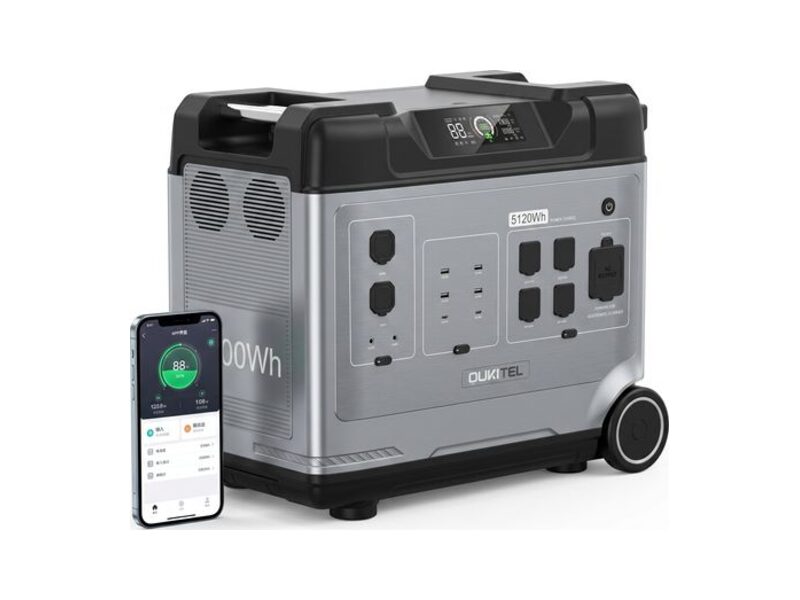
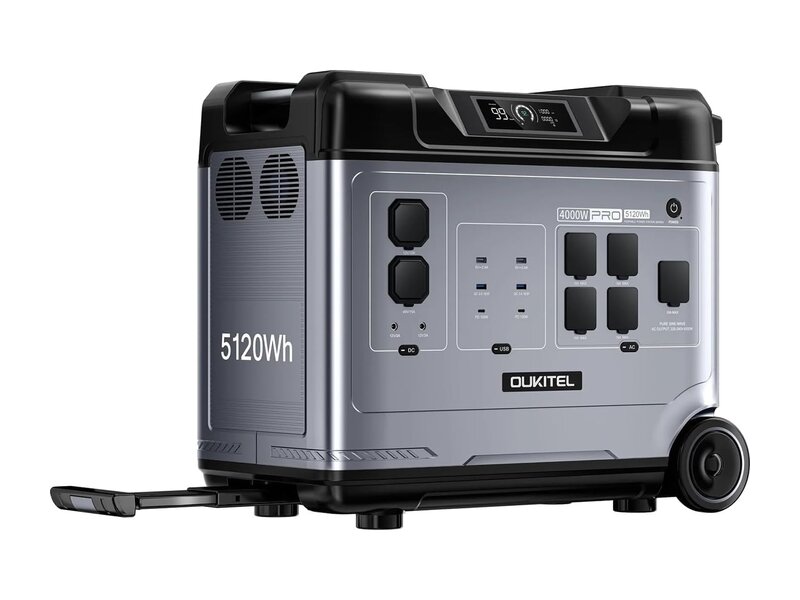
Oukitel P5000 Pro
£1661.56
A generator for the whole home: the Oukitel P5000 Pro stores 5120Wh, delivers 4000W and recharges fully in under two hours.
- Capacity: 5120Wh (LiFePO4)
- Power: 4000W (8000W surge)
- Battery: LiFePO4, 5000+ cycles
- Charging: AC ~1.8 h, MPPT solar
- 5120Wh and 4000W, 1.8 h recharge, 5 AC outlets
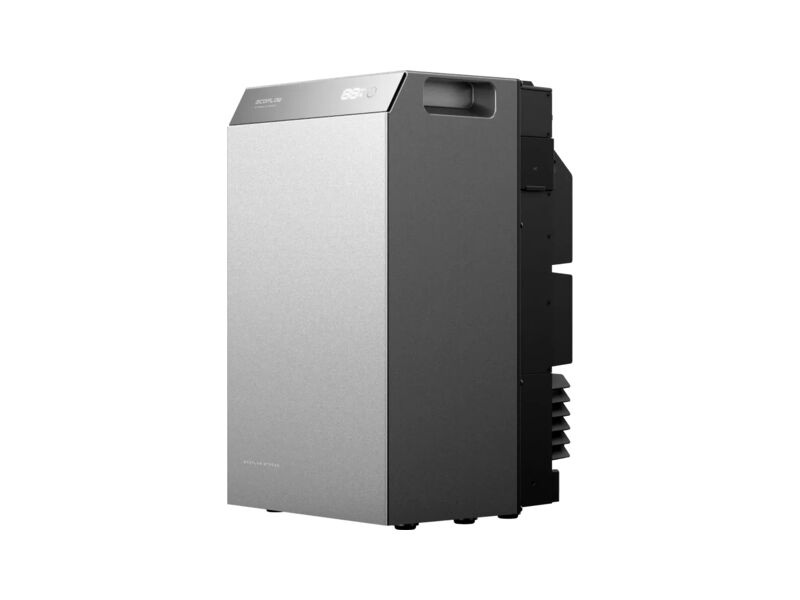
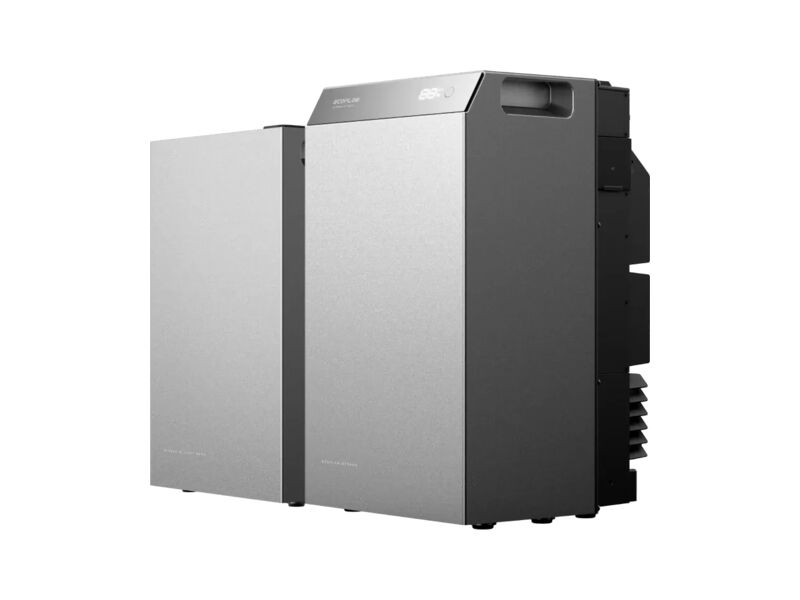
EcoFlow Stream 5000
£1799.00 £1699.00
With its built-in inverter and 5024 Wh expandable up to 90 kWh, the EcoFlow Stream 5000 works entirely on its own, no existing solar inverter required.
- Capacity: 5024 Wh (LFP), expandable up to 90 kWh networked
- Inverter: 3000 W built-in, pure sine, grid or off-grid
- Solar: 5000 W input, 4 MPPTs
- Durability: IP65, 10,000 cycles, 10-year warranty
- Built-in inverter, works alone with no existing setup
Related questions
It is a station whose capacity grows by plugging extra batteries into a dedicated port. You typically start at 2,000 or 3,600 Wh and climb to 12,000 or even 25,000 Wh. The appeal is investing gradually, and carrying only the main unit when you travel.
The essential circuits, yes: fridge, freezer, lighting, router, boiler, a few sockets. An entire home, no, because the big consumers (electric heating, oven, water tank) would quickly exceed the available output. Sizing is done from a list of priority circuits, not from the floor area.
3,000 to 4,000 cycles down to 80 per cent remaining capacity, and up to 6,000 with some makers. At one full cycle a day that is around ten years of daily use. It is what justifies the price gap with NMC chemistries, whose life is three to six times shorter.
Some models allow it through a dedicated transfer switch, which automatically moves the chosen circuits onto the battery during an outage. Installation is a job for a qualified electrician and must meet local wiring regulations. An improvised connection through a wall socket is dangerous and not permitted.
Reckon on 1,000 watts of panels to fill 5,000 Wh on a good summer day, allowing for a real efficiency of 60 to 70 per cent and 5 to 6 hours of useful sunshine. Above all check the maximum accepted input voltage, often 60 V or 150 V, which sets how many panels you can wire in series.