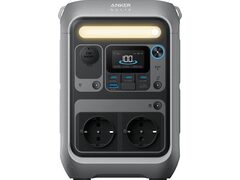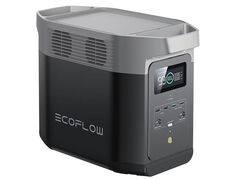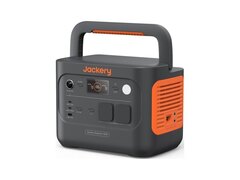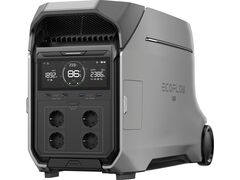

What people actually plug in, in order of frequency
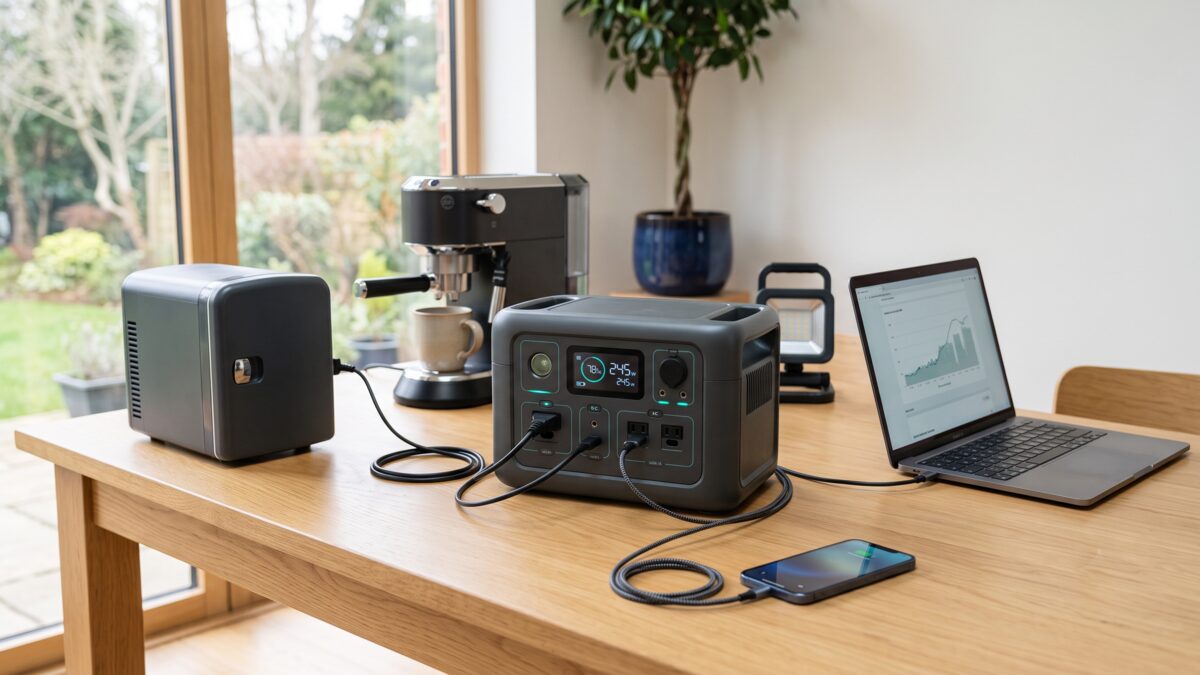
Product pages always show the same picture: a smiling couple, some string lights, a projector by a lake. Real life is a lot more mundane. After ten years spent equipping campers, van dwellers, photographers and households that live with unreliable grids, the same ranking keeps coming back.
- USB charging: phone, tablet, watch, headphones, power bank. The number one use in every single context.
- Laptops, driven by remote work on the road.
- A compressor fridge or cooler. This is the appliance that dictates the whole sizing exercise, and we come back to it in detail below.
- LED lighting: strips, lanterns, work lights, string lights.
- Connectivity: router, 4G modem, and increasingly Starlink.
- Kettle and coffee maker, the single most debated topic on camping forums.
- Fans and heaters, depending on the season.
- Medical devices: CPAP machines and oxygen concentrators.
- Power tools and tool battery chargers.
- Sump pumps and freezers during outages, the two things nobody thinks about until the basement floods or the food spoils.
Beyond that lies a long tail of specialised uses covered at the end of this guide: photo and video gear, astrophotography, fish finders, tailgating, holiday lights, gate motors, aquariums and mobile food service.
Running watts versus surge watts: the one concept that matters
If you take away a single idea from this guide, make it this one. A power station advertises two numbers that have nothing to do with each other:
- Capacity, in watt-hours (Wh): the size of the tank. It tells you how long you can run something.
- Output power, in watts (W): the diameter of the pipe. It tells you what you can plug in at all.
A 2 000 Wh unit limited to 300 W of output will flatly refuse to start a compressor fridge, while a 500 Wh unit rated for 800 W will run it all week. The culprit is inrush current: when a motor or compressor kicks in, it briefly draws three to ten times its running power.
Typical draw profile of a 45 litre compressor fridge: 45 W in steady state, but a spike close to 400 W when the compressor starts.
Owners who actually measure their gear report exactly this: a cooler rated at 45 W can pull close to 700 W for one second. A borderline power station simply trips its protection, with nothing being faulty.
Charging, lighting and connectivity: the cheap everyday stuff
This is the reassuring category: a small unit is plenty, and runtime is measured in days rather than hours.
- Smartphone: 5 to 25 W. A 300 Wh station delivers around fifteen full charges.
- Laptop: 30 to 90 W in real use, with a 65 to 140 W charger. A MacBook Air sips 30 W, while a gaming laptop with a discrete GPU can sustain 200 W and peak at 330 W.
- LED lighting: 5 to 50 W. An entire van lighting loop draws less than one old incandescent bulb.
- Router and fibre terminal: 15 to 30 W continuous. Pound for pound, this is the most worthwhile thing to back up during an outage, because it keeps VoIP calls and information flowing.
- Starlink Mini: roughly 17 to 20 W in steady state since the January 2026 firmware update, 15 W idle, but a 60 W spike while the dish boots and acquires signal. A 500 Wh unit runs it for about twenty hours.
- Starlink Standard (Gen 3): 40 to 90 W in active use, around 20 W idle, with extra draw when the dish melts snow. Budget roughly three times the Mini.
The trap is not capacity, it is the boot spike. A supply that cannot deliver 60 W momentarily produces a Starlink that simply will not turn on, one of the most common support tickets in the category.
Cooling: compressor fridges, refrigerators and freezers
This is the topic. In a camper as much as at home, cold storage is the first thing people want to protect, and it is also what sinks badly sized purchases.
12 V compressor coolers
They use far less than most people assume, because the compressor cycles rather than running continuously. Over 24 hours, a good 45 litre cooler needs only 400 to 600 Wh, the equivalent of one LED bulb left on permanently.
- Dometic CFX3 45: 45 W on 12 V, 55 W on mains, with a 250 to 400 W surge.
- Mobicool MCF40: 45 W, similar startup behaviour.
- Alpicool CF45 and CX40: 45 to 55 W, 250 to 400 W surge.
- Engel MT45F-S: only 32 to 42 W, and crucially a very gentle 100 to 150 W surge thanks to its Sawafuji swing motor compressor. The go-to choice for small power stations and expedition use.
- Indel B TB41, Vitrifrigo C42i, Dometic CoolMatic CRX 50: 40 to 50 W for built-in van fridges.
Household fridges and freezers
A modern refrigerator draws 70 to 120 W while its compressor runs, which averages out to 30 to 45 W across the day. A chest freezer is similar, around 40 to 60 W on average. Their startup surges, however, are far harsher than a 12 V cooler: 600 to 1 300 W depending on model and age.
Cooking off a battery: what works and what drains everything
Coffee comes up in every single forum thread. The answer is yes, provided you keep the order of magnitude in mind: electric cooking means one to three thousand watts, against a few dozen watts for everything else.
- Kettle: 1 500 to 3 000 W depending on market. Boiling one litre costs roughly 110 Wh, so 7 to 8 litres from a 1 000 Wh station. Brutal in power terms, but very brief, and therefore perfectly acceptable.
- Pod coffee machine: 1 150 to 1 500 W for a Nespresso or similar. Each cup only costs 15 to 20 Wh, which means around forty coffees from 1 000 Wh. Far less greedy than it looks.
- Portable induction hob: rated 1 800 to 3 500 W, but real cooking sits between 1 000 and 1 800 W. Budget roughly thirty minutes of cooking per 1 000 Wh.
- Microwave: a 700 W output model actually draws 1 100 to 1 300 W, spiking to 1 500 to 1 800 W as the magnetron fires.
- Air fryer: 1 500 to 1 750 W, one of the longest sustained loads in a domestic kitchen.
- Slow cooker: only 200 to 320 W. The most battery friendly cooking appliance there is, and the most overlooked.
Heating, cooling and ventilation: the trickiest category
Making heat or cold from stored electricity is always expensive. The useful distinction is between appliances that genuinely heat and appliances that merely control another energy source.
The good citizens: appliances that only control
- Diesel air heaters (Autoterm Air 2D, Webasto Air Top 2000): only 10 to 30 W while running, since electricity only powers the fuel pump and fan. The spike comes at ignition, when the glow plug pulls 90 to 110 W for two to five minutes.
- Roof fans such as the Maxxair MaxxFan Deluxe: 12 to 45 W. Very manageable over a full night.
- Electric blanket: 60 to 120 W on mains, 40 to 60 W on 12 V. Far more efficient than heating a whole volume of air.
- Gas furnace control board and blower in an RV or a home: 30 to 150 W, which makes a power station a genuinely useful winter backup.
The money pits: appliances that heat directly
- Space heater: 1 500 to 2 000 W. On a 1 000 Wh station you get 25 to 35 minutes. Resistive heating is simply not a viable battery use case beyond emergencies.
- Hair dryer: 1 800 to 2 200 W with a 2 400 W spike. Works fine, for a few minutes.
- Portable air conditioner: an EcoFlow Wave 2 pulls 550 to 750 W in cooling mode, a Zero Breeze Mark 2 around 240 W. An RV rooftop air conditioner climbs to 800 to 1 200 W with a 2 500 to 3 000 W surge, which restricts it to the largest stations paired with a soft starter.
Medical devices: the one area where you do not improvise
This is one of the fastest growing uses and the one demanding the most rigour. The figures below come from manufacturer documentation and published measurements.
CPAP and bilevel machines
- ResMed AirSense 10: 53 W on average, up to 90 to 104 W at peak. The blower alone, without humidifier, sits between 25 and 53 W.
- ResMed AirSense 11: 9 to 25 W without humidifier, 55 to 60 W with, and a measured peak around 72 W. Its supplied power brick is rated 65 W.
- Philips DreamStation: 45 W average, 80 W peak.
- Fisher and Paykel Icon Novo: 40 W average, 75 W maximum.
- Adding a heated tube costs another 30 to 40 W and pushes the total to roughly 100 to 105 W.
The runtime lever is therefore obvious: switching off the heated humidifier and heated tube cuts consumption by a factor of three to five. A 1 000 Wh station covers four to five nights without humidification, against under two nights with it.
Oxygen therapy
A portable concentrator (Inogen One G5, Philips SimplyGo Mini, CAIRE FreeStyle Comfort) draws 40 to 70 W with a peak around 100 W. A stationary 5 litre per minute unit is a different animal entirely: 280 to 350 W running, with a 600 to 900 W surge as its compressor starts.
One important caveat: a power station is a comfort safeguard, not a medical device. If you depend on life sustaining equipment, validate the setup with your home care provider and register with your electricity distributor, which usually maintains a priority customer list for planned outages. Our selection of power stations for CPAP and medical equipment only lists pure sine wave models with a UPS function.
Home outages: the four appliances that genuinely matter
The classic mistake is trying to back up the whole house. It is neither necessary nor economically sensible. Over an eight hour outage, protecting the essentials adds up to roughly 2 to 2.5 kWh, which is well within reach of a good power station.
- The freezer, then the fridge: 40 to 60 W on a lissed average, but 600 to 1 300 W of inrush.
- The router: 15 to 30 W. The best comfort to consumption ratio on the whole list.
- The sump pump: 400 to 800 W running and up to 2 400 W on startup. One of the highest volume searches in this category, and for good reason: a flooded basement costs far more than a power station.
- Central heating controls: whether you have a gas furnace, an oil boiler or a pellet stove, the heat source itself needs electricity for its board, blower and circulation pump. A pellet stove needs only 30 to 100 W once lit, but its igniter is a 300 to 400 W element running for 5 to 15 minutes at every start.
Then, depending on the household: garage door and gate openers (120 to 250 W in motion, up to 600 W peak), heat recovery ventilation (30 to 90 W), aquarium pumps (an EcoTech VorTech MP40 sips 30 W) and seasonal loads such as outdoor holiday lights, which draw a surprisingly modest 20 to 80 W in LED form.
To compare units suited to this kind of home backup, our dedicated page on home backup power stations details output power and whether a UPS function is present, which is the deciding criterion for home use.
Work and hobby uses: tools, imaging, astronomy, outdoors
Beyond camping and home backup, a power station acts as a mobile wall socket for a surprising range of trades and hobbies.
Job site and DIY
Tool battery chargers (Makita, DeWalt, Bosch Professional, Milwaukee) draw 60 to 400 W and recharge happily from a mid range unit. Corded tools are far more demanding: an 1 850 W table saw pulls 3 000 to 4 500 W on startup, as does a workshop compressor. This is where generous surge headroom pays for itself.
Photo, video and drones
A DJI charging hub needs 30 to 100 W, a camera charger 15 to 30 W, and a continuous LED panel such as an Aputure Amaran 100d or 200x between 100 and 240 W. A 1 000 Wh station comfortably covers a wedding day or an outdoor shoot, which explains how fast photographers adopted these products.
Astrophotography
A complete rig (GoTo mount, cooled camera, mini PC, dew heaters) consumes 50 to 80 Wh per hour. A Sky-Watcher EQ6-R Pro draws 12 to 24 W while tracking and up to 48 W during a two axis GoTo slew. Worth knowing: dew heaters alone can account for half the total draw on a humid night.
Outdoors, tailgating and water
A fish finder draws 12 to 30 W, a portable speaker 20 to 100 W while charging, a trolling motor 200 to 600 W depending on throttle. For tailgating, the realistic load is a fridge plus a television plus a speaker, roughly 150 to 200 W combined, so four to five hours from 1 000 Wh. On the mobility side, charging an e-bike battery takes about 500 Wh, or one and a half charges from a 1 000 Wh unit.
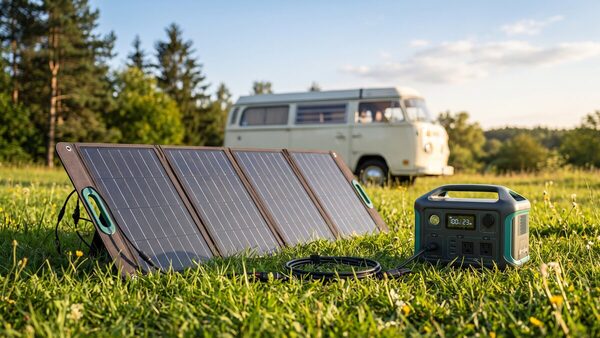
If long term autonomy is your goal, pairing with a panel remains the best answer: our portable solar panels can put back 300 to 800 Wh on a good summer day.
What you should not plug in, or only with your eyes open
Some appliances are technically compatible but economically absurd, others fall outside the operating envelope altogether.
- Charging an electric car: a level 1 domestic cable pulls 1 800 to 2 300 W continuously. A 2 000 Wh station buys you around ten miles of range, after losing energy in two successive conversions. Treat it as roadside first aid, not a charging solution.
- Washing machine: the motor only needs 150 to 250 W, but the heating phase climbs to 2 000 to 2 200 W. A cold cycle is realistic, a hot one is not.
- Electric ovens, cooktops and pottery kilns: 2 300 to 3 500 W continuous, out of reach for virtually every portable unit.
- Arc welders: 3 000 to 5 000 W with violent transients. Reserved for the largest stations, and even then with caution.
- Water heaters and tumble dryers: simply not a battery use case.
Two subtler traps deserve a mention. First, double conversion: plugging a 12 V cooler into the station mains socket takes energy from DC to AC and back to DC, wasting 15 to 25 %. Use the DC output when one exists. Second, unregulated voltage: some cigarette lighter outputs let voltage sag as the battery drains, which trips the low voltage cutoff built into the cooler. Check that the 12 V output is regulated before buying.
Reference table: 30 common appliances and their real draw
Runtimes assume a 1 000 Wh station and a realistic 85 % round trip efficiency on the AC output.
| Appliance | Running watts | Startup surge | Runtime on 1 000 Wh |
|---|---|---|---|
| Smartphone | 5 to 25 W | 30 to 65 W | about 45 charges |
| Laptop | 30 to 90 W | 65 to 140 W | 14 hours |
| Gaming laptop | 120 to 200 W | 240 to 330 W | 5 hours |
| LED van lighting | 5 to 50 W | same | over 24 hours |
| Router and fibre terminal | 15 to 30 W | 40 W | 40 hours |
| Starlink Mini | 17 to 20 W | 60 W | 40 hours |
| Starlink Standard Gen 3 | 40 to 90 W | 100 to 150 W | 13 hours |
| 45 L compressor cooler | 45 W (20 Wh/h real) | 250 to 400 W | 40 to 50 hours |
| Engel cooler (Sawafuji) | 32 to 42 W | 100 to 150 W | 50 to 60 hours |
| Household refrigerator | 40 W average | 600 to 1 200 W | 21 hours |
| Chest freezer | 50 W average | 700 to 1 300 W | 17 hours |
| Kettle | 1 500 to 3 000 W | same | 7 to 8 litres boiled |
| Pod coffee machine | 1 150 to 1 500 W | 1 600 W | about 40 coffees |
| 12 V espresso maker | 140 to 170 W | 200 W | about 60 coffees |
| Portable induction hob | 1 000 to 1 800 W | 3 100 to 3 500 W | 30 to 35 minutes |
| Microwave (700 W output) | 1 100 to 1 300 W | 1 500 to 1 800 W | 40 minutes |
| Slow cooker | 200 to 320 W | same | 3 to 4 hours |
| Roof fan | 12 to 45 W | 60 W | 30 hours and up |
| Diesel air heater | 10 to 30 W | 90 to 110 W | over 40 hours |
| Space heater | 1 500 to 2 000 W | 2 100 W | 25 to 35 minutes |
| Electric blanket | 60 to 120 W | 150 W | 8 to 14 hours |
| Hair dryer | 1 800 to 2 200 W | 2 400 W | 25 minutes |
| Portable air conditioner | 240 to 750 W | 1 200 W | 1 to 3 hours |
| CPAP without humidifier | 9 to 25 W | 72 W | 4 to 5 nights |
| CPAP with humidifier and heated tube | 55 to 105 W | 105 W | under 2 nights |
| Portable oxygen concentrator | 40 to 70 W | 100 W | 15 to 20 hours |
| Pellet stove | 30 to 100 W | 300 to 500 W | 12 hours |
| Sump pump | 400 to 800 W | 1 500 to 2 400 W | 1 hour 30 |
| 18 V tool battery charger | 100 to 400 W | 450 W | 8 batteries of 5 Ah |
| 1 850 W table saw | 1 500 to 1 850 W | 3 000 to 4 500 W | 30 minutes of cutting |
| E-bike charger | 170 to 300 W | 350 W | 1.5 full charges |
| 43 inch LED television | 60 to 100 W | 150 W | 10 hours |
| PlayStation 5 | 150 to 220 W | 350 W | 4 hours |
| Full astrophotography rig | 50 to 80 W | 120 W | one full night |
| Outdoor LED holiday lights | 20 to 80 W | same | 12 to 40 hours |
A four step method to size your power station
Rather than comparing capacities in the abstract, work in this order. It is the method we use to advise customers, and it prevents ninety per cent of disappointments.
- List your appliances before your budget. Write down each device, its running wattage (printed on the label or power brick) and its daily hours of use.
- Identify your surge requirement, meaning the most demanding appliance at startup. If you own a compressor fridge and a kettle, the kettle sets your power need. If you only have the fridge, 500 to 800 W is plenty. This step selects the model.
- Then calculate your daily watt-hour need. Multiply each wattage by its hours of use, add them up, then add 25 % for conversion losses and ageing. This step selects the capacity.
- Plan the recharge. Without a charging source, even a large station is just a finite tank. Depending on your use, add solar for long term autonomy, a DC to DC charger for driving, or simply mains for home backup.
Two qualitative criteria complete the calculation: the presence of a UPS function (essential for medical devices, heating controls, aquariums and servers) and the cell chemistry. Lithium iron phosphate (LiFePO4) cells last 3 000 to 6 000 cycles against 500 to 1 000 for older NMC packs, a difference documented by the ageing research collected at Battery University.
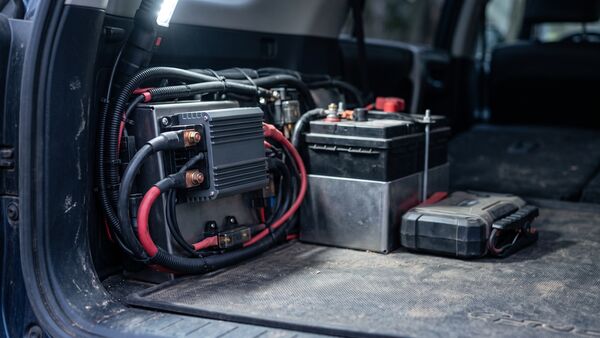
For light duty use (charging, lighting, connectivity) a large power bank is often enough and costs five times less. For the road, a 12 V charger or jump starter usefully rounds out the kit.