
27 September 2026: the EU bans generic green claims
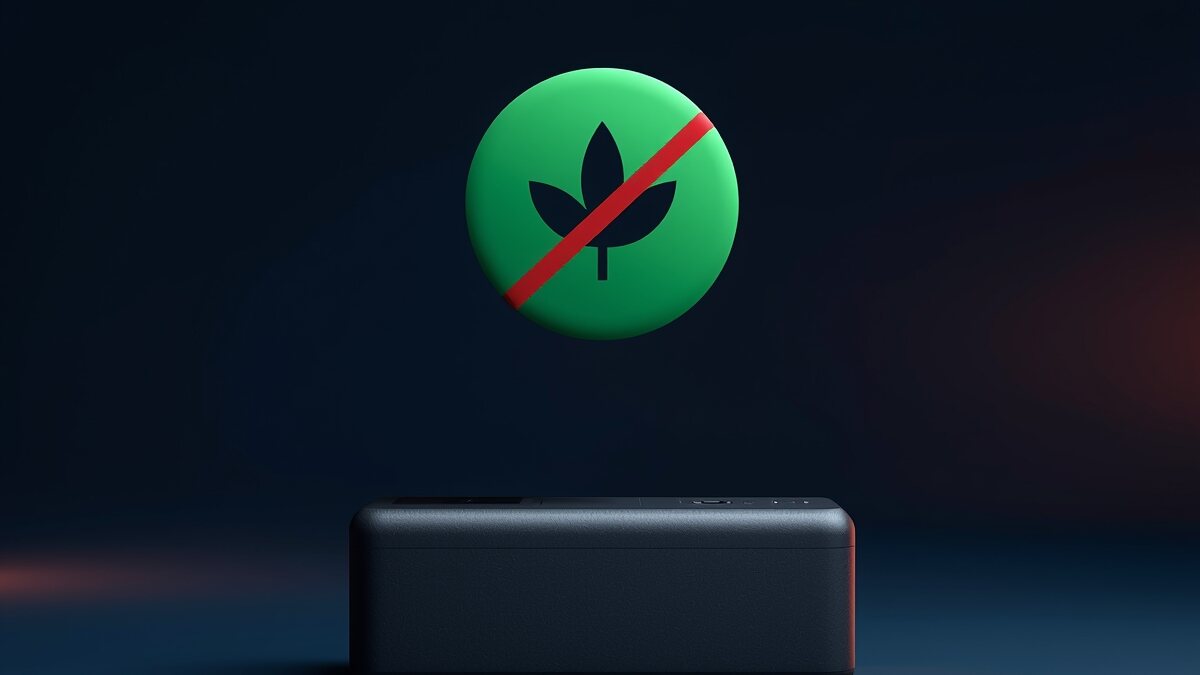
From 27 September 2026, the European EmpCo directive (Empowering Consumers for the Green Transition, Directive (EU) 2024/825) applies across all 27 EU member states. It amends two existing texts on unfair commercial practices and consumer information to specifically target environmental claims: words, images, private labels, product names or any message suggesting an environmental benefit.
The text entered into force in March 2024, with national transposition due by 27 March 2026 in each member state. Several countries fell behind on transposition and were formally reminded by the European Commission. Actual enforcement, however, leaves no room for doubt: it begins on 27 September 2026 across the whole Union, regardless of how far each country's own transposition has progressed.
Which words become risky on a product page or an ad?
The directive mainly targets generic claims, meaning vague wording that neither specifies the environmental aspect being praised nor the evidence behind it. This includes words such as “green”, “eco-friendly”, “environmentally friendly”, “sustainable” or “biodegradable” used on their own, without any study or certification to back them up.
The case that matters most for our sector concerns claims like “climate neutral”, “carbon neutral” or “CO2 neutral” when they rely on carbon offsetting outside the product's own value chain (buying carbon credits, funding tree planting elsewhere, and so on). That kind of offsetting will no longer, on its own, justify a climate-neutral claim on a product or in an advert. It is a common practice in consumer electronics and portable power, where several battery, power station and solar panel brands have advertised “carbon neutral shipping” or “carbon neutral packaging” for years.
| Claim | Status from 27/09/2026 |
|---|---|
| “Climate neutral” / “carbon neutral” via offsetting alone | Banned |
| “Eco-friendly”, “green”, “sustainable” without proof | Banned |
| Private label with no independent certification scheme | Banned |
| Precise, proven claim (e.g. “30% certified recycled plastic”) | Allowed |
What stays allowed: proof before the word
The directive does not ban talking about the environment: it bans doing so without proof. Claims that are precise, specific and substantiated, naming one clearly identified and demonstrable environmental aspect, remain allowed, for example “made with 30% post-consumer recycled plastic, certified by an independent body” rather than a vague “eco-friendly product”.
Future, quantified targets (for example, “aiming for carbon neutrality by 2040”) also remain acceptable, provided they come with a detailed implementation plan and regular independent verification of progress. A distant promise with no milestones and no external check is still considered misleading.
Why this matters if you buy batteries, power banks or solar panels
The portable power sector is directly affected. Many brands we follow closely (EcoFlow, Anker, Jackery, Bluetti, among others) regularly communicate about the environmental footprint of their power stations, power banks, chargers and solar panels: “carbon neutral shipping”, “eco-friendly manufacturing”, “100% recyclable packaging”. These claims will not necessarily disappear, but they will now have to rest on verifiable evidence rather than a simple offset or a marketing phrase.
For buyers, this is good news overall: it lowers the risk of picking a product on the strength of a hollow environmental promise, at a time when the EU battery labelling regulation already forces more transparency on composition and recyclability. The two rules complement each other: one governs the mandatory technical information on the label, the other governs the marketing promises made around the product. To compare models on measurable criteria rather than slogans, our power station selection and solar section detail real capacity, efficiency and materials.
Products already on shelves are not affected retroactively
One important point, so the scope of this text is not misread: the directive is not retroactive. A product already on the market before 27 September 2026, with existing packaging or a product page written before that date, does not have to be pulled from sale or urgently rewritten. The rule applies to new production and new commercial communications from that date onward.
Over the coming months, expect certain marketing phrases to fade out gradually rather than vanish overnight. Our team keeps tracking this story and will update this article if official guidance or early enforcement cases refine the scope of the text.