
Real efficiency: closer to 79% than the advertised 96.1%
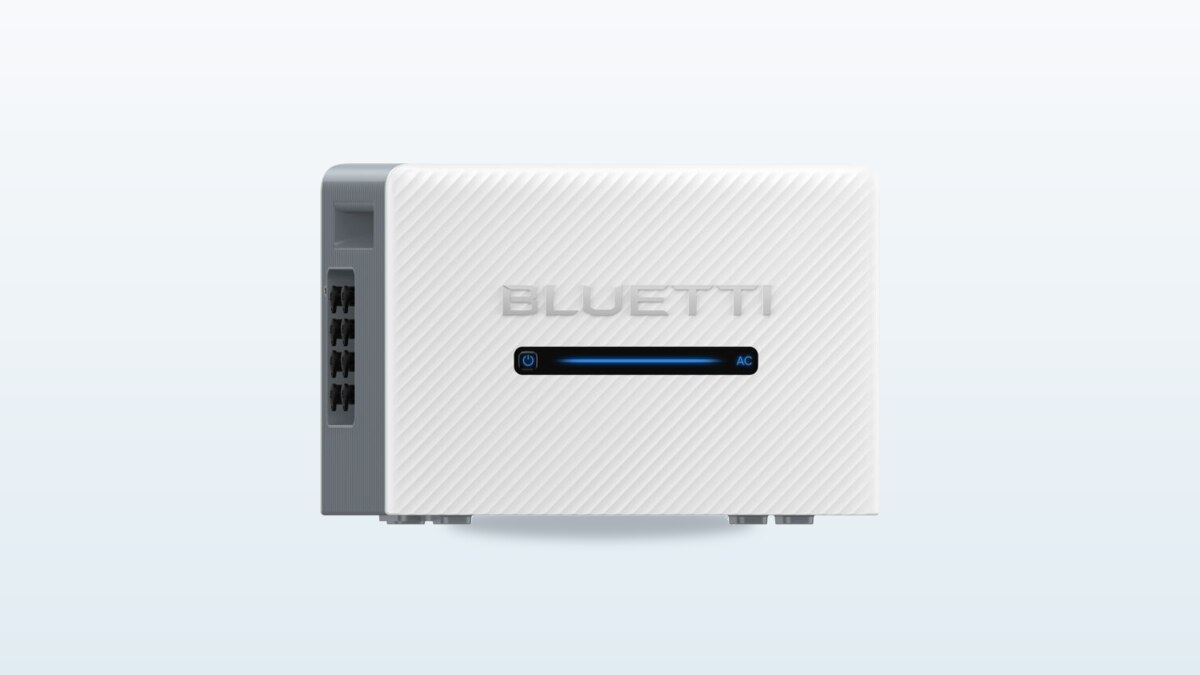
Combined charge and discharge losses reach 21%, for an overall round-trip efficiency closer to 79% than the 96.1% advertised by the brand. That's one of the widest gaps in this category, even though it stays within the same order of magnitude as the weakest performer already reviewed on this site (around 80% for an AC-coupled competitor). Using a different method for the French market, the figures instead come out closer to 88% for grid-only charging and 95% for direct solar charging: these two figures aren't contradictory once the method is made clear, since 88% charging efficiency multiplied by around 90% discharging efficiency mathematically gives a round-trip figure close to 79%. Usable capacity, meanwhile, reaches 2283Wh out of the advertised 2560Wh, or 89% of the rated figure, a ratio that sits comfortably within the category average.
Smart mode: decisions that are sometimes counterproductive
The AI manager (AI-EMS) is meant to arbitrate between solar charging and grid charging based on electricity tariffs and the forecast weather. The device recharged from the grid during an off-peak tariff window even though sunlight was sufficient and favourable weather had been forecast: a counterproductive behavior, since it draws paid electricity in a situation where the sun alone would have sufficed. The automatic solar-surplus charging function was also not operational at the time of these same readings. Another point worth flagging: the battery's low-temperature heater stays active even when disabled in the app. These observations date from mid-August 2026 and could not be reconfirmed since, nor ruled out by any documented software fix: something to keep watching rather than to treat as definitively settled either way.
The 4 MPPT trackers: real power below the 600W rating
The 4 independent MPPT controllers accept an input voltage starting at 19V, with 38.5V needed to reach the rated 600W per channel. In real-world use, power instead caps out between 500 and 550W per input depending on the reading, a shortfall that is noticeable but not dramatic against the rated figure. Actual internal charging power also caps out around 1400 to 1500W, well below the 2400W of total solar input advertised. On the grid-injection side, regulation with a Shelly Pro 3EM metre turns out to be precise and fast (stabilising within a few seconds), slower with the brand's own connected plug.
Expandability: up to 92kWh networked, a real strength
Up to five additional BC260 battery packs bring a single unit's capacity to 15360Wh, and up to six units can coordinate wirelessly through the app for a combined capacity advertised at up to 92kWh and a combined solar input of 14.4kW. This is genuine expandability and a real differentiator, not just a marketing claim: it allows starting small on a balcony and gradually scaling up toward covering an entire home.
Backup output and grid regulation: what works well
The backup output delivers 1200W at 230V to keep essential appliances running during a power cut, a function confirmed operational even though no measurement of the exact switchover time has been found to date. The installation itself stays true to its plug-and-play promise: connecting to a standard wall outlet, with no electrician or complex wiring involved, a point that comes up consistently in every hands-on review available to date.
Customer reviews and press independence: still very little track record
The Balco 260 has only been on the market since mid-July 2026, and that shows in the volume of feedback available: zero customer reviews on its Amazon.fr listing at the time of writing. The hands-on coverage published by the French press in the weeks following launch all traces back to units provided free of charge by the brand, with affiliate links attached, which doesn't invalidate the qualitative impressions in that coverage (easy installation, quiet operation), but does call for caution around the numbers.
Price and warranty: two points to check before buying
The price recorded today on the manufacturer's official store is 1399 euros including tax, identical to the list price, with no active discount at the time of writing. A promotional code that brought the price down to around 889 euros circulated in the press in mid-July, presented as valid until the end of September 2026: it no longer appeared on the product page at the time of this check, worth retesting on a case-by-case basis. Another point worth clarifying before buying: the advertised warranty period differs from one channel to another, 10 years on the manufacturer's official site versus 5 years on the Amazon.fr listing, a gap that may correspond to a distinction between the base warranty and an extension, but that could not be confirmed with certainty.
Regulatory compliance in France: still a gray area
Available documentation on the French regulatory thresholds that apply to this type of installation remains inconsistent from one document to the next, with some tying the 800W threshold to panel power rather than to the Balco 260's own inverter output. It's best to check directly with Enedis and a local Consuel body before buying, rather than relying on a general statement found online, including this review's own.
Against the competition, and who the Balco 260 is for
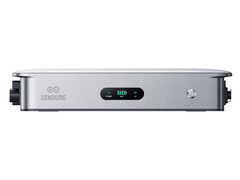
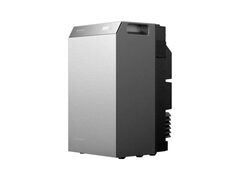
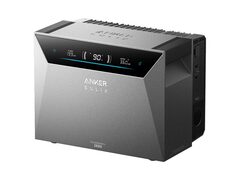
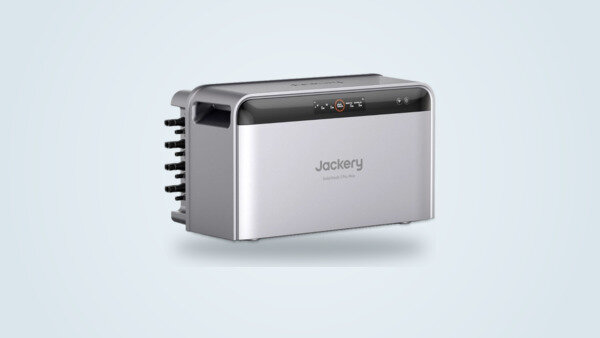
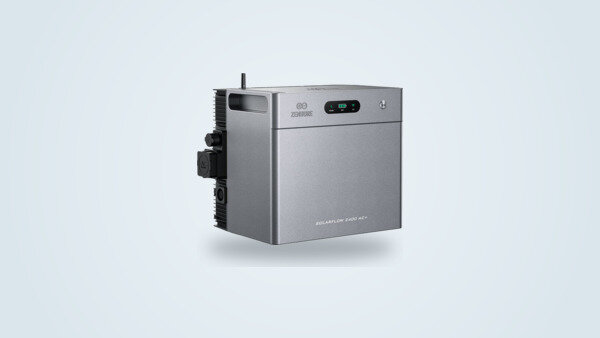
Compared with the Zendure SolarFlow 2400 AC and the EcoFlow Stream AC 5000, two AC-coupled competitors with no direct solar input, the Balco 260 stands out for its own 4 MPPT trackers, a real advantage for anyone who doesn't already have a solar inverter in place. It does lag behind on efficiency compared with the Zendure, though, whose measured efficiency instead hovers closer to 88%. The Balco 260 suits anyone who wants to start a balcony solar storage setup with no prior installation and plans to expand capacity gradually. It suits less well anyone looking for a product with an already-proven track record: with only six to seven weeks on the market, zero customer reviews, and a smart mode whose decisions are sometimes counterproductive, this is a first-generation product to watch closely rather than a blind-buy choice.