
Why a battery should never go in the bin
A battery is never ordinary waste, for two very concrete reasons. The first is environmental: it contains metals such as lithium, cobalt, nickel or lead, valuable and polluting resources that end up contaminating soil and water once buried in landfill. The second is purely about safety, and it is the one most people underestimate.
A lithium battery thrown out with household rubbish gets crushed, compacted and jostled all along the collection chain, bin lorry, truck, sorting centre. The smallest impact can damage a cell and trigger thermal runaway, a fire that feeds itself once started. This is not theoretical: fires at sorting centres caused by wrongly discarded batteries are reported regularly.
On top of these risks, sorting batteries is a legal obligation across the EU under Regulation (EU) 2023/1542 on batteries and waste batteries, and battery collection schemes exist in every market for exactly this reason. In other words, recycling is not an optional courtesy, it is the only legal and safe way to get rid of one.
Where and how to recycle a used battery
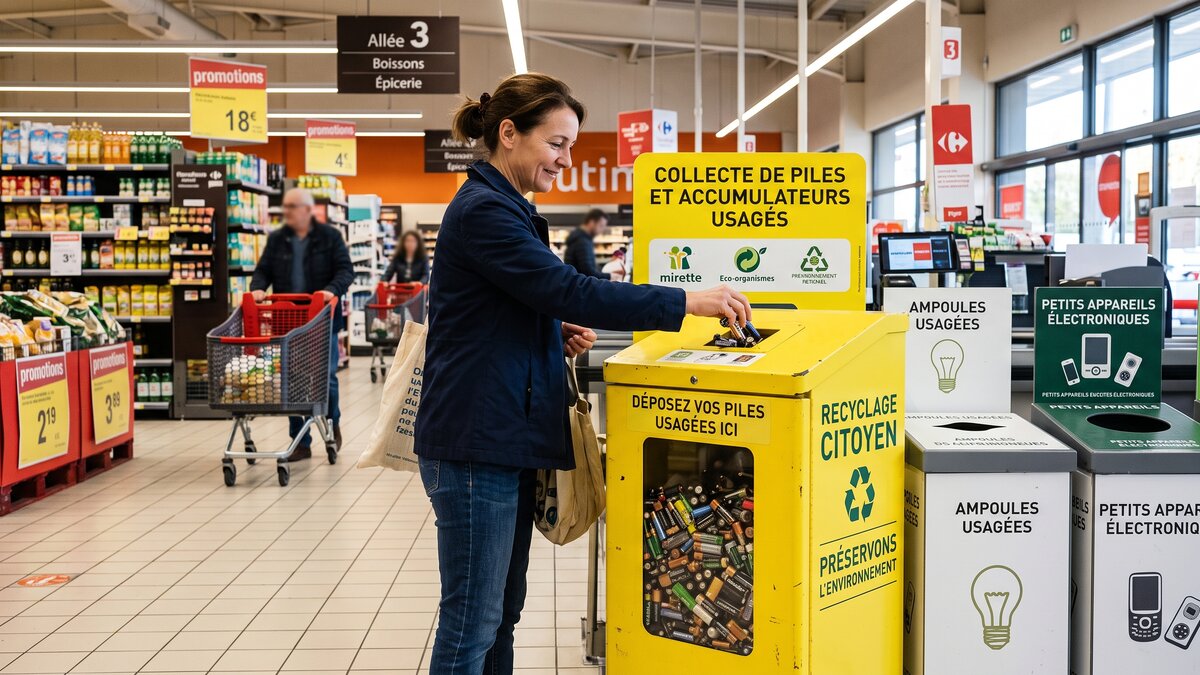
Good news: it is simple, free and quick almost everywhere. Any shop that sells batteries is generally required to take used ones back, with no obligation to buy anything.
- At a shop: supermarkets, DIY stores, electronics retailers and garden centres usually have a collection point near the till.
- At a recycling centre: a dedicated battery drop-off point is almost always available, often near the entrance.
- Online locators: services such as Recycle Now list the collection points closest to you.
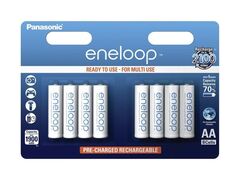
This covers ordinary household batteries (AA, AAA, coin cells) as well as rechargeable cells from power banks, remotes, toys or small electronics. For larger or built-in batteries, see the section below.
What to do with a swollen battery
Swelling is never harmless: it is the visible sign that gas has built up inside the cell as a result of internal chemical breakdown. This battery is weakened and can tip into thermal runaway at any moment, even while sitting idle. The right steps, in order:
- Stop charging and using it. Every extra cycle raises the risk.
- Never puncture it and never try to flatten it by pressing on it.
- Isolate it in a non-flammable container (a metal tin, a bucket of sand), away from anything combustible and any heat source.
- Take it in quickly and flag its condition: most schemes have a specific procedure for damaged or swollen batteries, separate from standard collection.
- Do not store it for long at home, even isolated: head to a collection point as soon as you can.
Swelling already signals a malfunction that can escalate into thermal runaway, with a real risk of fire and toxic smoke. To understand the mechanism in detail, our article on thermal runaway explains why an overheating cell spirals out of control and why a lithium fire is so hard to put out.
E-bike, e-scooter, laptop or power tool batteries: separate channels
Not every battery follows the same route as an ordinary AA. The bulkier or more built-in it is, the more it needs a dedicated channel.
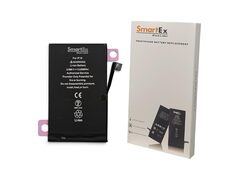
Phone and laptop: the battery is usually sealed inside the device. Do not try to remove it yourself, especially if it shows signs of swelling (a bulging back panel, a lifted screen). Take the whole device to the manufacturer's after-sales service, an approved repairer, or a WEEE (waste electrical and electronic equipment) collection point.
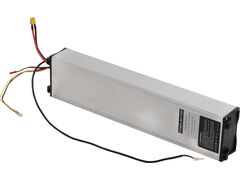
E-bikes and e-scooters: these large-format batteries do not belong in a general recycling centre bin or a standard battery drop point. Return them to the seller, the manufacturer, or a specialist facility equipped to handle and transport them safely, dangerous-goods transport rules apply above a certain size.
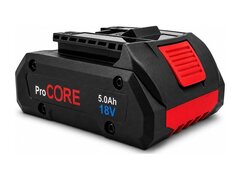
Power tools (drills, screwdrivers): battery packs from these tools generally follow the same collection scheme as household batteries, available at most tool retailers.
In every case, a device built around a non-removable battery, such as replacing a phone or power-tool battery, is better handled by a professional than taken apart at home, both for your safety and the battery's.
What happens to a battery once it is recycled
Recycling is not simple storage, it is a genuine second industrial life. Once collected, batteries are first sorted by chemistry (lithium-ion, lead-acid, nickel-cadmium, nickel-metal hydride), because each one needs a different treatment.
For lithium-ion batteries, the most common process is dry shredding under a controlled atmosphere, which mechanically separates the different materials: steel or aluminium casings, copper from the connectors, and above all black mass, a powder rich in lithium, cobalt, nickel and manganese. This black mass is then refined through chemical processes to extract metals pure enough to build new cells.
In practice, the lithium from an old power bank can quite plausibly end up, a few months later, inside a new power station or electric vehicle battery. That is the whole point of recycling compared with mining: fewer virgin resources extracted, and a loop that closes.
Practical tips before you get rid of one
A few simple habits make recycling safer, both for you and for the people who handle these batteries afterwards.
- Always cover the terminals with insulating tape, on cells and battery packs alike.
- Never mix used batteries with your household rubbish or ordinary recycling bin.
- Store at a moderate temperature while waiting to drop it off: avoid direct sun, a closed car in summer, or any heat source (above roughly 60 °C (140 °F), degradation of a damaged cell accelerates sharply).
- Leave the device switched off if it is a complete item (toy, remote, power tool).
- For a large pack (e-bike, e-scooter, vehicle), contact the seller or manufacturer before moving it yourself.
Following these few rules closes the loop cleanly, from buying a good rechargeable battery to its final recycling, without risk to you or the environment.