
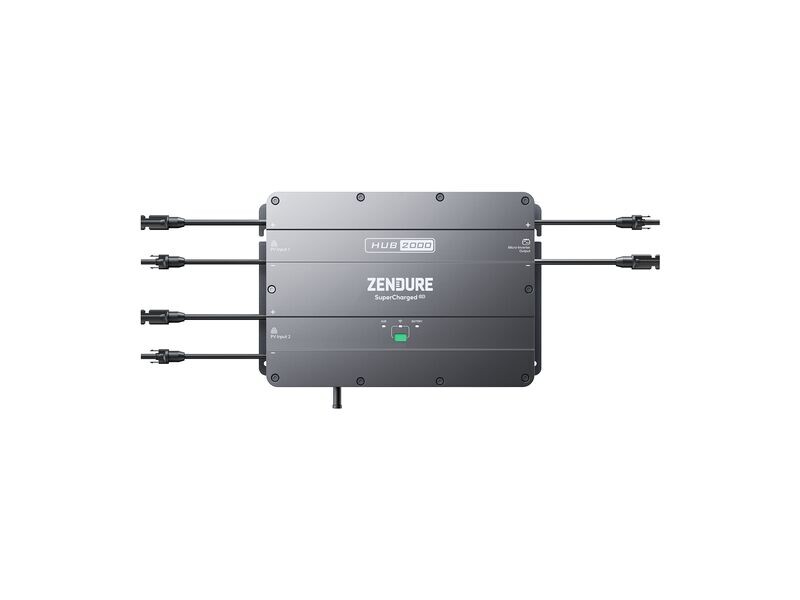
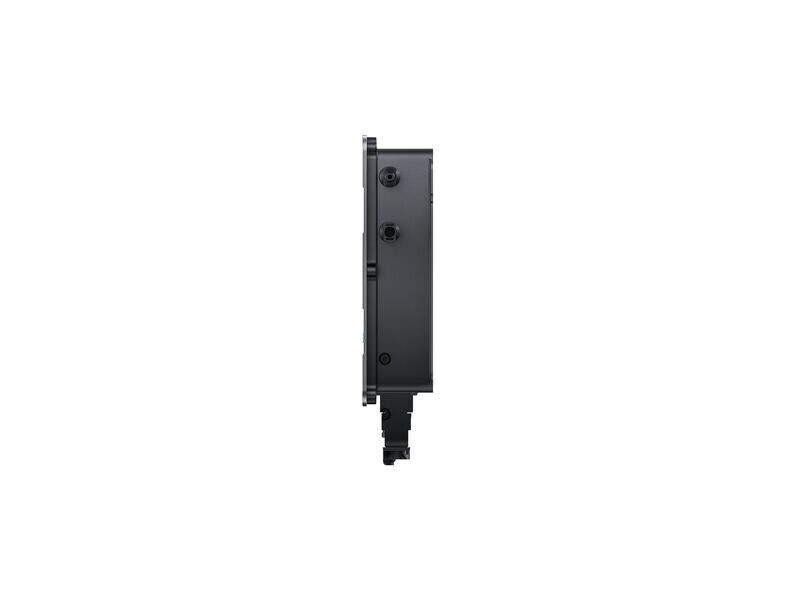
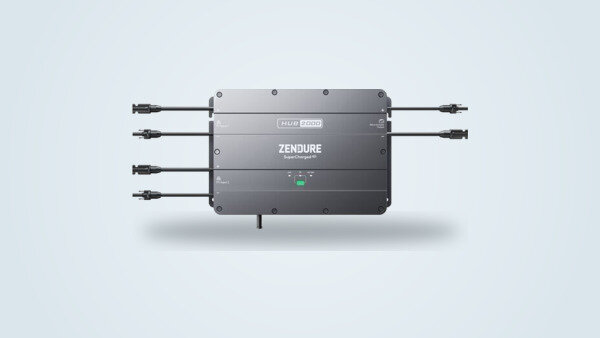
Zendure Hub 2000
(2 reviews)
The smart PV hub that adds storage to an existing balcony setup: 2 MPPT (1800 W), AB batteries up to 7.68 kWh and fine control, at a lower cost.
Characteristics
- Solar input: 1800 W, 2 MPPT controllers
- Storage: AB batteries expandable to 7.68 kWh
- Function: Storage hub to pair with a microinverter
- Protection: IP65, app monitoring
- Adds storage to a balcony array on a budget
Detailed overview: Zendure SolarFlow Hub 2000 smart PV hub
The Zendure SolarFlow Hub 2000 is a smart PV hub designed to add storage to a balcony solar system already in place. Where a system like the Hyper 2000 packs everything into a single unit, the Hub 2000 plays a more focused role: it manages the panels' energy and battery control, and pairs with an external microinverter for feed-in to the home.
On the solar side, it carries two MPPT controllers accepting up to 1800 W of input. These two trackers let you connect panels facing different directions without loss, then route the energy to the storage batteries. The Hub manages charging during the day and discharging in the evening or at peak hours, to maximise the share of solar energy actually self-consumed rather than fed to the grid for free.
Storage relies on Zendure's AB series batteries (AB1000, AB2000, AB2000S): up to four batteries per Hub, or 7680 Wh (7.68 kWh) of reserve. The whole thing is controlled through the Zendure app (Wi-Fi and Bluetooth), with real-time monitoring of production, consumption and state of charge. The Hub 2000 is also compatible with Shelly sensors, which appeals to users who want to fine-tune feed-in to the home's actual consumption.
Compact (363 x 246 x 64 mm) and IP65 rated against rain and dust, it sits outdoors without worry. Two points to note before buying: the Hub 2000 has no built-in inverter, so you need to add a compatible microinverter to feed power in; and it is limited to two MPPT inputs, versus four on the Hyper 2000. In return, it is the most affordable way to add smart storage to an existing balcony kit.
Full specifications
Detailed characteristics (EAN: 6976552193047)
Battery
| Expandable up to?Maximum capacity reachable with add-on modules. | 7680 Wh |
|---|
Solar section
| MPPT controllers?Number of built-in MPPT solar controllers (lets you connect panels facing different directions). | 2 |
|---|---|
| Max solar input?Maximum connectable PV power. | 1800 W |
Connectivity
| Bluetooth?Monitoring and settings via an app over Bluetooth. | Yes |
|---|---|
| Wi-Fi?Remote control and updates over Wi-Fi. | Yes |
Durability and format
| Ingress protection?Water and dust resistance (IP rating). | IP65 |
|---|---|
| Weight?Weight of the battery. | 5.2 kg |
| Dimensions (L × W × H)?Length × width × height, in millimetres. | 363 × 246 × 64 mm |
User manual / Instructions for use (PDF)
Comparison
How does the Hub 2000 compare with the other solutions in the SolarFlow ecosystem?
| Criterion | Zendure Hub 2000 | Zendure Hyper 2000 | Zendure SolarFlow 800 |
|---|---|---|---|
| Built-in inverter | No (external required) | Yes, 1200 W | Yes, 800 W |
| MPPT inputs | 2 (1800 W) | 4 (1800 W) | 2 (1200 W) |
| Expandable storage | Up to 7.68 kWh | Up to 7.68 kWh | Up to 11.52 kWh |
| Multi-set | No | Yes, ZenLink | No |
| Indicative price | The most affordable | Mid-range | Entry-level |
Against the Hyper 2000, the Hub 2000 is simpler and more affordable, but requires a separate microinverter and is limited to two MPPT inputs. It is the logical choice for anyone who already owns a microinverter and mainly wants to add storage at low cost.
Related video
Video: Zendure SolarFlow Hub 2000 test - Published on 11/06/2024
Our tester's review: Julien De Jurquet
The Hub 2000 is the piece that early balcony kits were missing: rather than replacing everything, it grafts an energy reserve onto an existing setup. Its role is clear: manage solar input through its two MPPT trackers (up to 1800 W), charge the Zendure AB batteries during the day, then discharge them in the evening through a microinverter. In our tests, the app integration is polished, with real-time monitoring of production and charge, and Shelly compatibility appeals to home-automation fans. It is also the most affordable way in the range to try storage. Two limits to understand before buying: unlike the Hyper 2000, the Hub 2000 has no built-in inverter, so you need to add a compatible microinverter; and it handles only two MPPT inputs, where the Hyper offers four. But to turn a simple balcony kit into a system with storage, without a big investment, the Hub 2000 remains a smart gateway into the SolarFlow ecosystem.
In-depth review Zendure Hub 2000: Our Full Review 3.9/5 Read our full review → Efficiency not measured Portability and size not measured Weather resistance not measured Output ports not measured Capacity and expansion 3.9 Solar input and MPPT 3.8 Control and smart features 3.7 Installation and compliance 3.9 Build and endurance 4.1 Battery compatibility not measured Safety and protections not measured Storage battery compatibility not measured Control and smart features not measured Compliance and grid connection not measuredFrequently asked questions: Zendure SolarFlow Hub 2000 smart PV hub
The Hyper 2000 has a built-in inverter (1200 W) and four MPPT inputs. The Hub 2000 has no built-in inverter: it manages solar and batteries, but needs an external microinverter, and is limited to two MPPT inputs. It is, however, more affordable.
No. It is a storage hub: you need to add Zendure AB batteries and a compatible microinverter to feed energy into the home. It complements an existing balcony solar system.
Up to 7.68 kWh by connecting four Zendure AB batteries (AB1000, AB2000 or AB2000S). You can start with a single battery and grow the system over time.
Yes. The Hub 2000 is controlled through the Zendure app and is compatible with Shelly sensors, to adjust feed-in to the home's actual consumption. The enclosure is IP65 rated for outdoor mounting.
Need help choosing?
Other products in the "Charge controllers" category
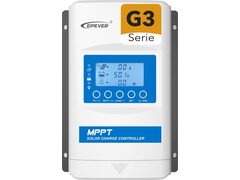
Epever XTRA1210N
See price (4)
A 10A MPPT controller that harvests up to 30% more output: the Epever XTRA1210N optimises your small solar kit and protects your battery, with a display to match.
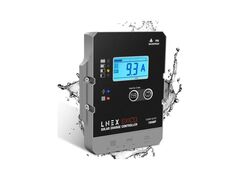
LNEX CTM12-10
See price (7)
A waterproof, ultra-thin 10A PWM solar charge controller: the LNEX CTM12-10 protects your battery even when exposed to rain and sea spray.
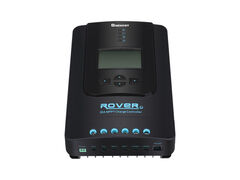
Renogy Rover 20A
£79.99 (20)
20A of charge, 100V input and up to 99% tracking efficiency, with an LCD screen: the Renogy Rover 20A handles small 12/24V solar setups.
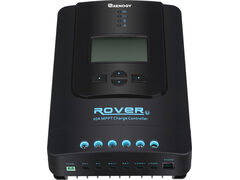
Renogy Rover 40A
£109.99 (8)
40A of charge, 100V input and up to 99% tracking efficiency, with an LCD screen: the Renogy Rover 40A handles the most generous 12/24V solar setups.
Published on 17/07/2026, updated on 26/08/2026