
A concrete problem: lead-acid and lithium don't charge the same way
A lead-acid battery accepts an end-of-charge voltage around 14.4 volts, followed by a reduced-voltage maintenance phase. LiFePO4 works over a much flatter voltage range, rejects prolonged compensation charging, and carries a protection circuit that can cut the battery off if the voltage is wrong.
Automatic detection that avoids setup mistakes
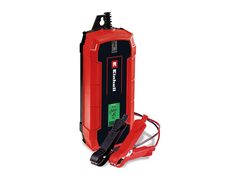
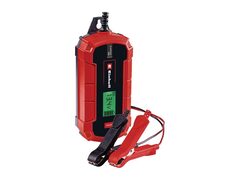
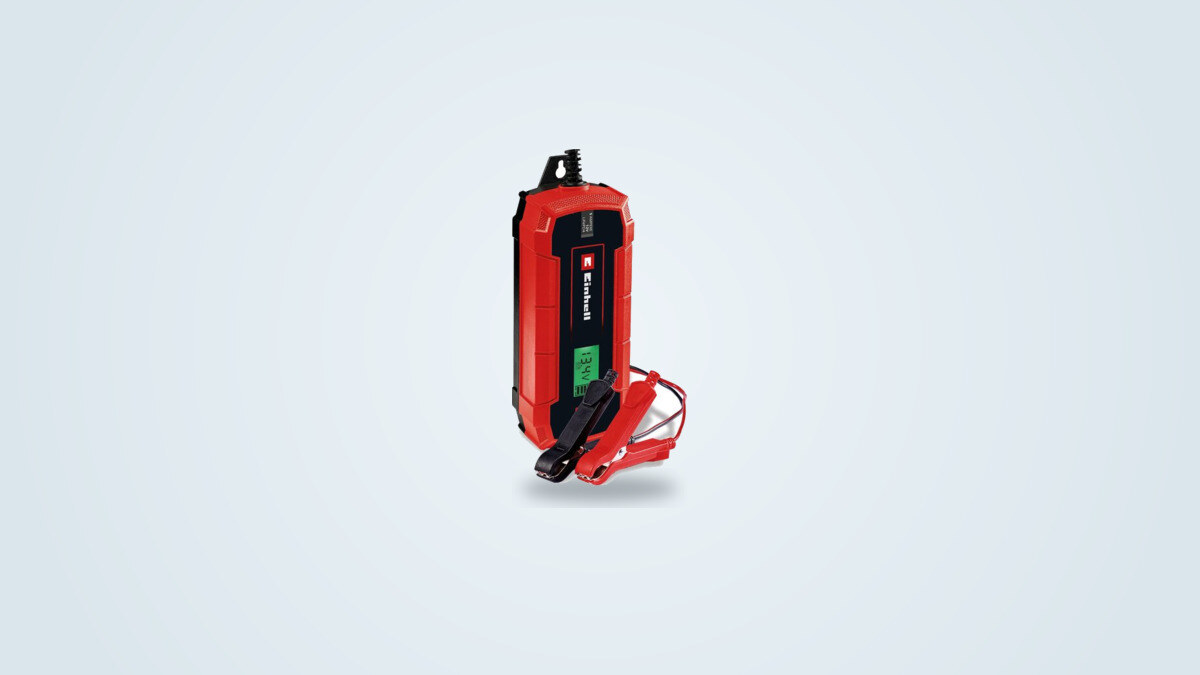
The CE-BC 5M LiFePO4 solves this by analyzing the battery before sending current. Its electronics identify the type and charge state, then select the matching profile. You can therefore use the same unit for your car's lead-acid starter battery and your motorhome's lithium pack, with no special handling.
Maintenance, supply, and reconditioning
Standard maintenance charging lets you leave the unit plugged in during the off-season. Supply mode turns the charger into a stable current source, useful for keeping a vehicle powered during a battery swap without losing the onboard electronics' memory. Reconditioning mode applies pulses meant to break down sulfation on a tired lead-acid battery.
No stated waterproofing, a still-young model
The 5A maximum current suits batteries up to around a hundred amp-hours, with the usual timing for this type of home charger: expect an overnight charge for a deeply drained pack.
Who the CE-BC 5M LiFePO4 is for
If you have no lithium battery, the CE-BC 4M remains the better buy. As soon as LiFePO4 enters the garage, whether on a motorhome, a boat, or a solar setup, the price gap over a lead-acid-only charger is quickly justified.