
How to Connect a Generator to a House Safely

Plugging a generator straight into a wall outlet during a power cut is the most dangerous mistake in the whole category: it can electrocute a utility worker streets away. Here is the only safe method, built around a transfer switch, and everything you must never do instead.

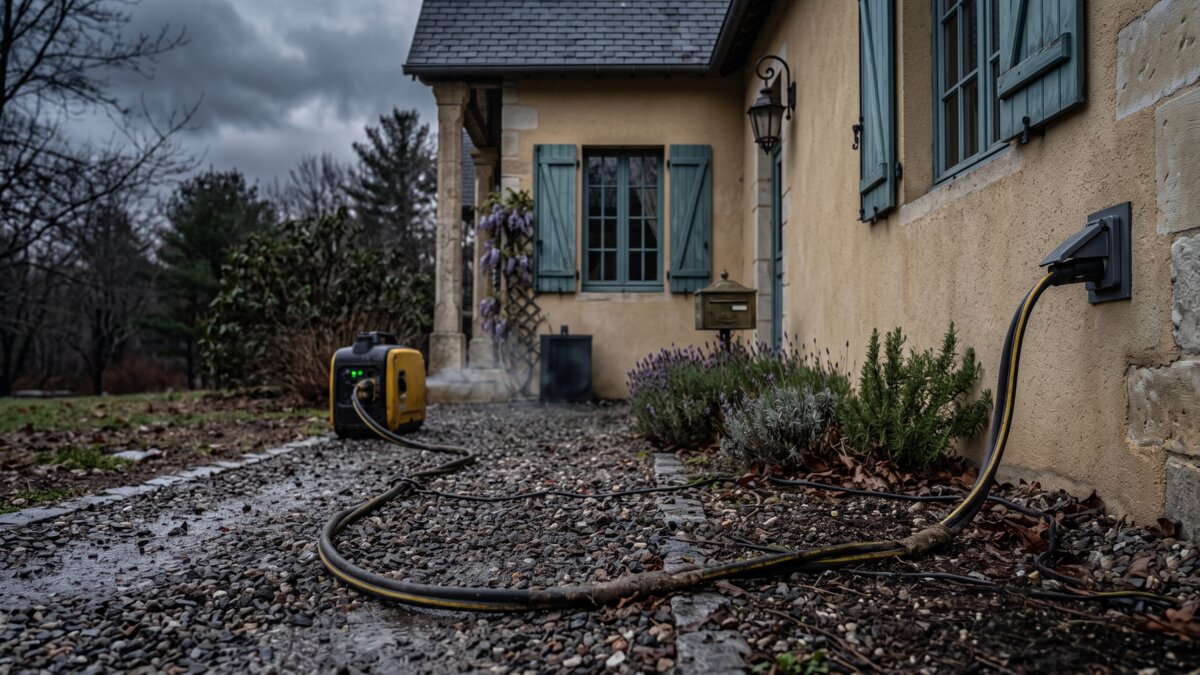
Portable generator wired to a manual transfer switch outside a house

Why You Should Never Plug a Generator Straight Into an Outlet

Running a cord from the generator into a wall outlet in the house (sometimes called 'backfeeding') does power the appliances inside, but in the same movement it also energises the outdoor utility line the house is still connected to. Current produced by the generator then travels back along the grid, at a voltage that can be lethal to a utility worker repairing a line they believe has been switched off, sometimes hundreds of metres away.

The risk to know This backfeed phenomenon is one of the best documented causes of serious, sometimes fatal, accidents linked to home generator use during an outage. It is prohibited by electrical codes in effect in the vast majority of countries, precisely for this reason.

How to Connect a Generator to a House, the Safe Way

The only safe way to wire a generator into a house's electrical circuit is through a transfer switch (manual or automatic), a device that physically isolates the generator's circuit from the utility grid: current simply cannot travel back outward.

  • 1. Have a transfer switch installed by a qualified electrician. This step is not optional, it is what makes everything else safe, and it must be done before the first outage, not during one.
  • 2. Place the generator outdoors. At least 6 m from any window, door or air intake, never in a garage even with the door open, to prevent any build-up of carbon monoxide.
  • 3. Start the generator and let it stabilise. Wait a few minutes of steady running before flipping the transfer switch, so the engine reaches operating temperature.
  • 4. Flip the transfer switch to the generator position. This action physically disconnects the house circuit from the utility grid at the exact moment it connects it to the generator.
  • 5. Reconnect circuits gradually. Avoid starting every appliance at once: prioritise the fridge, essential lighting and heating over secondary appliances, to stay within the generator's available output.
  • 6. When utility power returns, flip the transfer switch back. Switch back to the grid before shutting the generator down.

What Size Generator Does a House Need?

A home backup generator does not need to power the entire house at once: the goal is to cover the essential circuits. Budget around 3000 to 3500 W for the fridge, lighting and a few common outlets, and 5000 to 7000 W if heating or a well pump also need to be covered. Appliances with a heavy starting draw (pumps, fridge compressors, some power tools) demand a peak output well above their normal running wattage, worth checking before settling on a model.

The pro tip An inverter generator, pricier to buy than a conventional model, produces noticeably cleaner, more stable current: a real advantage for sensitive electronics (a router, a computer, some medical devices) that tolerate a standard generator's voltage swings poorly.

The Mistakes That Make a Generator Dangerous

Never do this Never run a generator inside a garage, basement or any enclosed room, even with a door or window cracked open: the carbon monoxide it produces is odourless and can be fatal within minutes, often before the victim even notices.

Other common mistakes: plugging directly into a wall outlet without a transfer switch (see above); refuelling with the engine hot or running, a real fire risk; overloading the generator beyond its rated output, which can damage it and the appliances connected to it; and leaving it out in the rain without a suitable ventilated shelter.
Products mentioned in this article

Honda EU10i

Honda EU10i

See price (8)

A Honda portable inverter generator: ultra-quiet, petrol-powered (2.1 L tank), perfect for safely powering your sensitive devices.

View product
Einhell TC-PG 25/1/E5

Einhell TC-PG 25/1/E5

354.95€ (10)

Twelve and a half hours on one tank: the small petrol generator that carries a whole night of outage without a refill, and without breaking the bank.

View product
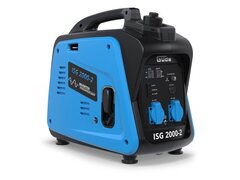
Güde ISG 2000-2

Güde ISG 2000-2

339.00€ (7)

The generator you can take camping without waking the next tent: clean power, an enclosed case, 18.5 kilos and a handle on top.

View product
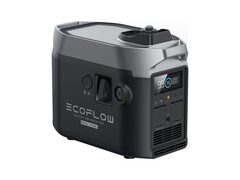
EcoFlow Smart Generator (Dual Fuel)

EcoFlow Smart Generator (Dual Fuel)

See price

Gasoline or LPG, up to 20 kWh of runtime and automatic start: the smart generator that recharges your EcoFlow station on its own when solar is not enough.

View product

Frequently asked questions

No, never. Current can travel back along the utility grid (backfeed) and electrocute a worker repairing a line they believe is dead. Only a transfer switch installed by an electrician makes the connection safe.

Yes, to install the transfer switch, a mandatory, non-negotiable step. Once it is installed, day to day use (flipping the switch, starting the generator) does not require a professional.

Budget 3000 to 3500 W for the essential circuits (fridge, lighting, a few outlets), and 5000 to 7000 W if heating or a pump also need covering. Check the peak wattage of appliances with a heavy starting draw.

No, never, even with the door open. The carbon monoxide it produces is odourless and can be fatal within minutes. A generator must always run outdoors, at least 6 m from any opening.

A manual transfer switch requires flipping a switch yourself; an automatic one detects the outage and switches on its own, usually pricier but more practical if you are away from home for long periods.

Sources: