
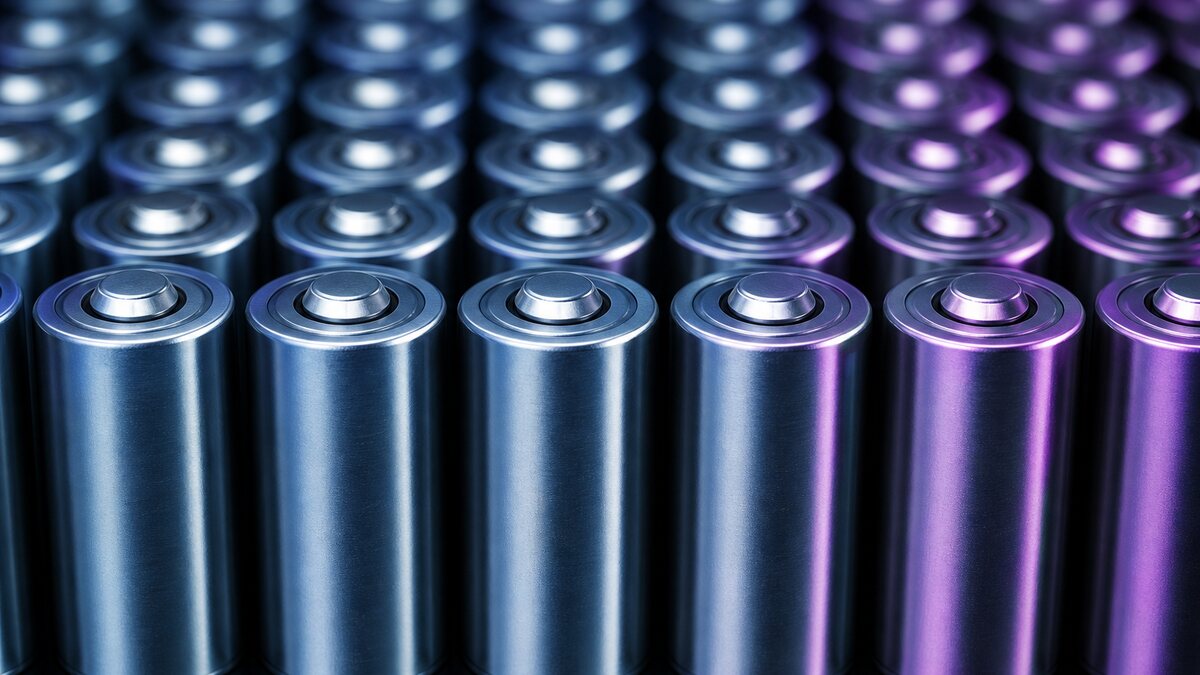
mAh: what that number really measures
The mAh (milliamp-hour) is the star figure of power bank marketing. It is the first number you see, and often the only one people look at. It indicates how much charge the internal cells can store.
The catch is that this figure is almost always given at the cell voltage, about 3.7 V. But your devices charge at 5 V (or more). Between the two, there is a conversion, and that conversion has a cost. This is where the gap between the printed number and the actually available energy is born.
Why you never get all the mAh back
Three phenomena eat into the advertised capacity:
- Voltage conversion: stepping from 3.7 V to 5 V consumes energy. On its own, that step explains much of the loss.
- Electronics efficiency: the conversion circuit is never perfect and dissipates some of the energy.
- Heat: all this activity generates heat, which is more lost energy.
The result: in practice, you get back about 60 to 70 % of the advertised capacity. This is not deception, it is physics, and it applies to every serious brand. These orders of magnitude are documented by the specialists at Battery University.
A worked example
Take a 20,000 mAh battery, one of the best sellers. Here is what actually happens:
| Step | Value |
|---|---|
| Advertised capacity (at 3.7 V) | 20,000 mAh (about 74 Wh) |
| Energy actually delivered (~65 % efficiency) | ~13,000 mAh equivalent |
| Recharges of a ~4,500 mAh smartphone | ~3 times |
In other words, a 20,000 mAh recharges a modern smartphone about three times, not five. If a seller promises you double, be wary.
mAh or Wh: the only honest measure
To compare two batteries rigorously, forget mAh and look at watt-hours (Wh). Wh account for the voltage, so they are directly comparable from one model to another. The maths: Wh = (mAh × voltage) ÷ 1000.
Why do manufacturers prefer to advertise mAh? Because the number is bigger and more impressive: 20,000 mAh sounds better than 74 Wh. It is also the Wh value that determines your battery's airline compatibility.
The inflated-capacity trap
This is the market's dark side. Some cheap batteries advertise wildly fanciful capacities: 100,000 mAh, 500,000 mAh, or more, at derisory prices. It is physically impossible.
The reason is simple: energy has weight. Lithium cells have a limited energy density. A real 20,000 mAh battery weighs around 350 g. A battery claiming ten times more while staying light and cheap is simply lying. Behind those numbers you find poor-quality cells and a real capacity sometimes five to ten times below the claim.
How to check the real capacity
A few reflexes to avoid getting fooled:
- Look for the Wh value on the packaging or the device: its presence is a mark of seriousness.
- Check that the weight makes sense: too light for the advertised capacity is suspicious.
- Trust established brands, which have a reputation to protect (see our comparison Anker vs Ugreen).
- Read independent tests: real measurements with a USB power metre do not lie.
To go further on choosing a battery for your use, see our complete guide how to choose a power bank.
What to remember
Three ideas to take away before your next purchase:
- You get back about 60 to 70 % of the capacity advertised in mAh: that is normal.
- To compare seriously, look at Wh, not mAh.
- A huge capacity at a rock-bottom price is almost always inflated: run away.
By understanding these three points, you choose with full knowledge, and you no longer let a big number dazzle you. Discover batteries with honest capacities in our power banks section.