
The principle: from sun to battery
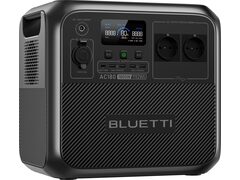
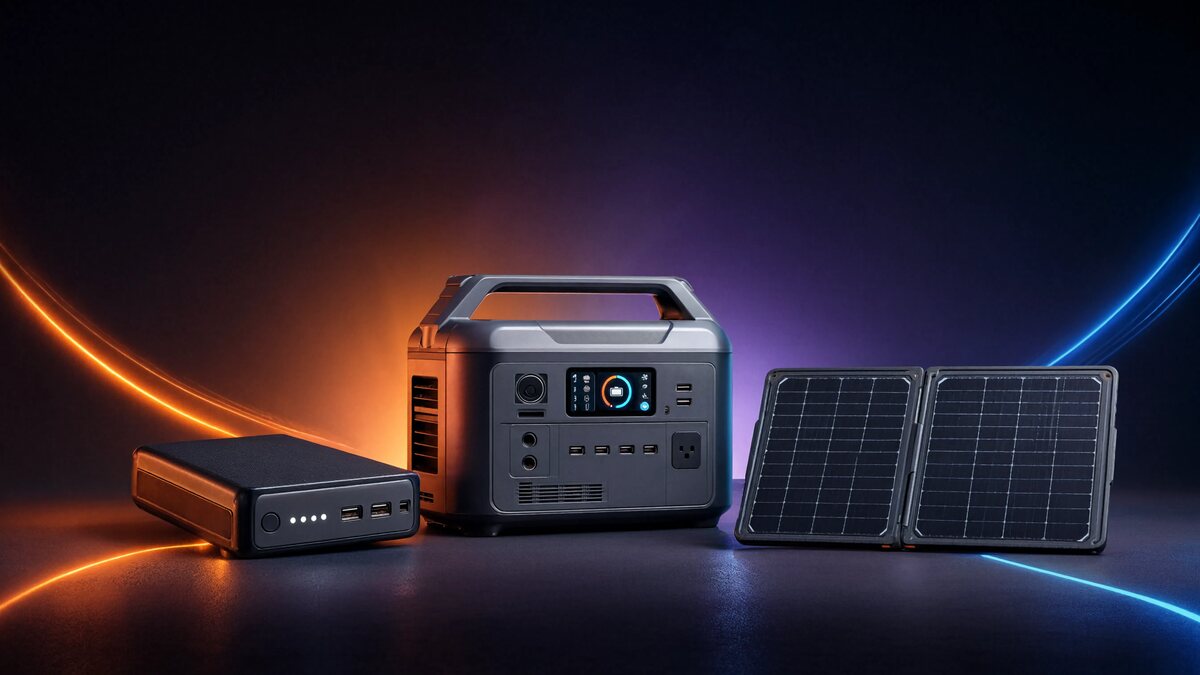
A solar panel turns sunlight into electricity. That electricity then recharges a battery: a solar power bank for small needs, or a power station to run a whole mobile setup. On paper, it is simple and appealing: free, unlimited energy.
In reality, several factors temper this idyllic picture. Understanding those factors is the key to sizing your setup correctly and avoiding disappointment.
A panel's real power
This is the most misunderstood point. When a panel is rated 200 W, that is a peak power (Wp), measured under ideal laboratory conditions: sun perfectly perpendicular, clear sky, moderate temperature. In real life, those conditions are rarely all met at once.
In practice, count instead on 60 to 80 % of the rated power in good weather, and far less under a cloudy sky. Orientation toward the sun, the absence of shade (even partial), temperature and the quality of the charge controller all strongly influence the result. This is not a flaw in the panel: it is the physics of photovoltaics, and every serious manufacturer is in the same boat.
How long to recharge?
Let us do a realistic calculation. To recharge a 1,000 Wh station, it is not enough to divide 1,000 by the panel's peak power. You have to account for the real efficiency and the number of good sunlight hours in the day.
| Panel | Realistic output in good summer weather | Recharge of a 1,000 Wh station |
|---|---|---|
| 100 W | ~400 to 600 Wh / day | About 2 days |
| 200 W | ~800 to 1,100 Wh / day | About 1 day |
| 400 W | ~1,600 to 2,200 Wh / day | Half a day to a day |
Estimates in sunny summer weather, a well-oriented panel. In winter or under a hazy sky, count on much less.
To refine for your region, the European Commission's PVGIS tool gives the average sunshine anywhere in Europe.
What solar really makes possible
Let us be clear: portable solar is an excellent solution, as long as you know what you ask of it. It excels at:
- Recharging smartphones, tablets and power banks: a small panel is enough to cover these needs over the day.
- Topping up a power station: the panel offsets everyday consumption (lighting, fridge, router) and greatly extends runtime.
- Living off-grid for a while in a van or motorhome in good weather, by pairing panels and a station.
It is the ideal companion to the power station, as covered in our guide power station or generator.
What it does not make possible (or barely)
To avoid false expectations, here are the limits to keep in mind:
- Days without sun: under a very overcast sky, output collapses. Solar does not replace an outlet during lastingly gloomy weather.
- Winter: short days and a low sun sharply cut the yield.
- Very greedy appliances: heating, cooking or running large equipment demands more energy than a portable panel can supply directly.
- Instant power: a panel recharges a battery slowly; it is the battery, not the panel, that delivers power to your devices.
Choosing and setting up your panel well
A few engineer's tips to get the most from your setup:
- Go big on power: a slightly oversized panel offsets the imperfect conditions of the field.
- Orient and tilt the panel toward the sun, and adjust it through the day if you can: it is the move that pays off most.
- A good MPPT controller optimises energy transfer to the battery and gains precious percentages.
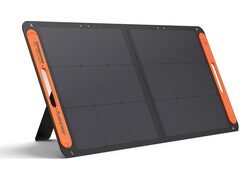
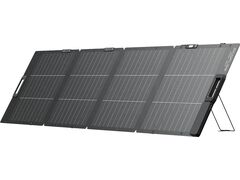
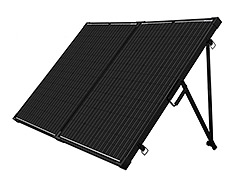
- Portable or rigid: folding panels follow the sun and pack away easily; rigid roof panels produce while driving, with no handling.
Discover our selection of portable solar panels and controllers to build the setup that fits your needs.
Verdict: yes to solar, with realism
Portable solar charging largely lives up to its promises, provided you approach it realistically. It works no miracles in bad weather, and a panel never quite produces its rated power. But well sized and well oriented, it offers precious, silent and free runtime, ideal alongside a power station.
The secret comes down to one word: sizing. Estimate your consumption, choose a panel with some margin, and the sun will do the rest.