
Balcony solar: what is it exactly?
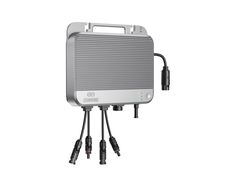
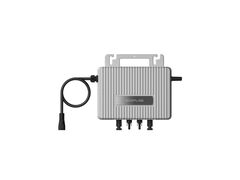
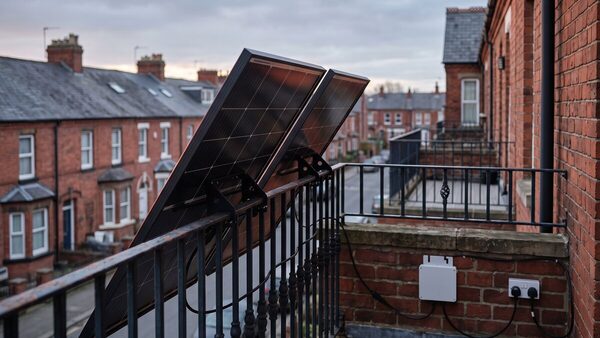
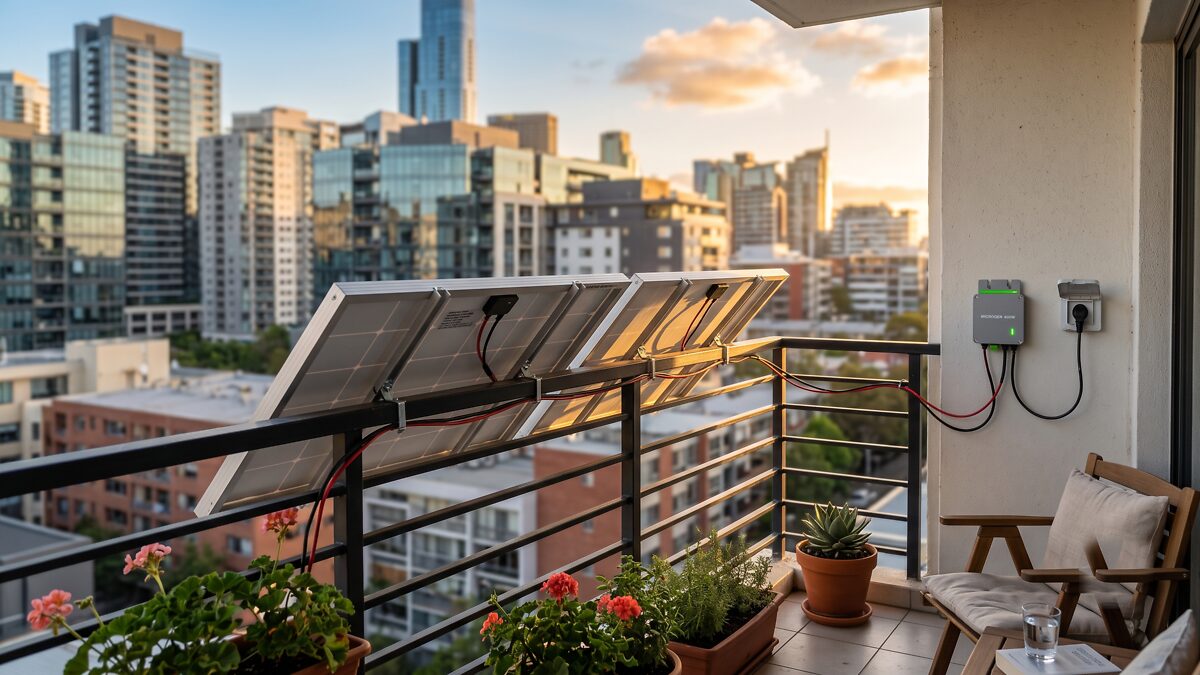
Balcony solar, or plug-and-play solar, is a small photovoltaic kit designed to be set up and plugged in yourself, without an electrician. It comes down to three parts: one or two solar panels, a micro-inverter, such as the EcoFlow Stream microinverter, that turns the panels' direct current into 230 V alternating current, and a simple cable that plugs into a socket in your home.
Once plugged in, the kit feeds its electricity into your home installation. Your standby devices, your fridge, your router draw this free energy first: that is self-consumption. You store nothing and sell nothing, you simply reduce what you pull from the grid while the sun is producing.
The big appeal: it is open to renters and to flats. No heavy work, no complex connection, a fixing on a balcony railing, a wall or a terrace is enough. That is what explains the current craze.
Why such a boom in 2026?
Three factors combine. First, the surge and then volatility of electricity prices since 2022 pushed households to look for concrete ways to take back control of their bill. Next, the price of kits has dropped: complete 400 to 800 W sets now go for 250 to 600 euros, against double that a few years ago.
Finally, simpler rules removed the main brake. Germany led the way by raising the allowed power and lightening the paperwork; the rest of Europe is following. The result: a market that nearly doubles every year and an offer that is maturing, with serious brands and increasingly polished kits.
This momentum is part of a deeper trend: the decentralisation of energy production. After large rooftop arrays, here come the micro-installations anyone can set up in an afternoon. To go beyond the balcony, our solar kits and panels also cover portable needs and power stations.
What the rules say
This is what worries people most, often needlessly. Across most of Europe, plugging a solar kit into a socket stays legal, as long as you follow a few simple rules, which vary from country to country.
Registration is usually required. Before switching on, you generally have to declare your installation, free of charge, to your grid operator or a national register (in Germany, the Marktstammdatenregister). If you export no surplus to the grid (the usual case with a small kit), the process is light and done online. This declaration protects everyone: it tells the network operator that a source of production sits in your home.
The inverter power is capped: consumer kits deliberately stay under a modest threshold (commonly 800 W in Germany), which avoids the need for a certified installer. On the connection side, a dedicated socket in good condition is strongly advised, ideally on a circuit that is not overloaded. In a shared building, you may need agreement from the owners' association to fix the panel to the facade. Rules are moving fast on this topic, so always check the thresholds in force where you live at the time of purchase.
What does it really save?
Let us be honest: a balcony kit will not make your home self-sufficient. Its value is to trim your baseline consumption, the load that runs all the time (standby, fridge, router, chargers). Here are realistic orders of magnitude, for a decent south-facing exposure with no major shade.
| Kit power | Indicative price | Yearly output | Estimated saving | Payback |
|---|---|---|---|---|
| 300 to 400 W | 250 to 350 € | 300 to 450 kWh | 60 to 90 €/yr | 4 to 6 years |
| 600 W | 350 to 500 € | 500 to 700 kWh | 90 to 130 €/yr | 4 to 5 years |
| 800 W | 450 to 700 € | 700 to 950 kWh | 120 to 180 €/yr | 3 to 5 years |
Estimates for a good south-facing exposure, no shade. Real output depends heavily on your region, tilt and self-consumption rate.
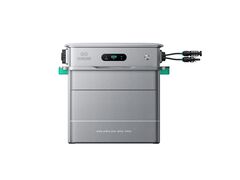
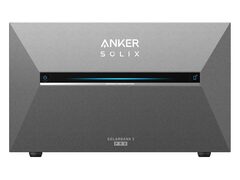
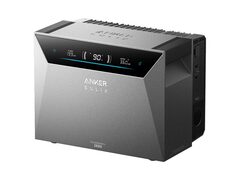
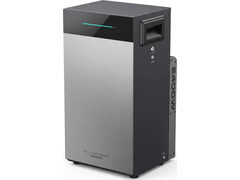
The self-consumption rate is the key: the energy only pays off if you use it while it is being produced, that is, during the day. A household that is home in the daytime, or that runs schedulable appliances (washing machine, water heater), gets far more out of it than a home left empty from 9 to 5. To smooth that gap, some pair their kit with a power station that stores the surplus. A new generation of plug-and-play balcony batteries, with a built-in microinverter, goes further: it banks the midday energy to release it in the evening, when the home draws power. That is the niche of systems like the Zendure SolarFlow 800 and its 800 Pro version, or all-in-one storage such as the Anker Solix Solarbank 3 E2700 Pro, the Solarbank 4 E5000 Pro and the Allpowers BS2500 Pro. The payback maths then get trickier, but the self-consumption rate climbs sharply.
Limits and pitfalls to avoid
Before you jump in, keep a clear head on a few points.
Exposure is everything. A north-facing balcony, a railing in the shade of a building or an unfavourable orientation can cut output by half or two thirds. A single shaded zone on a panel can penalise the whole kit: it is solar's Achilles heel, as we explain in our feature on the reality of solar charging.
The mounting is a safety matter. A panel is several kilos exposed to the wind, up high. Always use the supports provided, tighten them properly and check the railing is solid. Do not rig up a makeshift fixing.
Beware of promises that are too good. Adverts touting a bill cut in half from a simple balcony kit are misleading. The device is worthwhile and pays off over the medium term, but its impact stays proportional to its small size. Finally, favour a micro-inverter from a recognised brand and a panel with a warranty: long-term reliability is what will make the difference on payback.
Our take: for whom, and what next?
Balcony solar is an excellent way into self-consumption: cheap, no building work, reversible and educational. For a renter or a well-exposed flat lived in during the day, it is a common-sense investment that pays for itself in a few years while making a concrete gesture to cut your footprint.
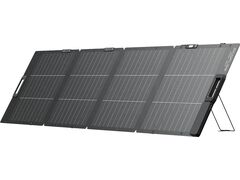
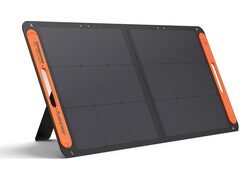
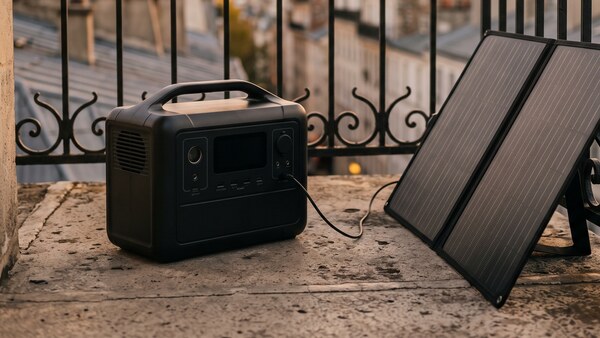
On the other hand, if your goal is to ride out power cuts or to run heavy appliances when needed, this is not the right tool: turn instead to a portable power station, possibly recharged by a folding solar panel. And for anyone who wants to really understand how to size a setup, keep the golden rule in mind: always start from your actual consumption, never from the power printed on the box.