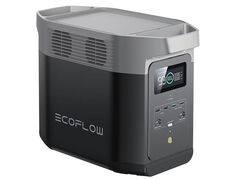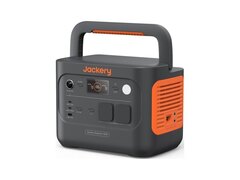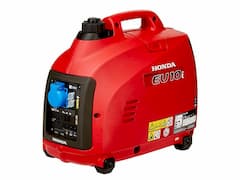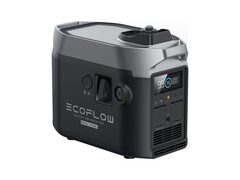


Two ways to produce your own electricity off-grid
Heading off in a motorhome, van or camper, and you want electricity away from hook-ups? Two main solutions are available, with opposite logics.
On one side, the portable power station: a big battery in a box that stores electricity and returns it through standard sockets. On the other, the generator: a small combustion engine that produces current by burning fuel. One stores, the other generates. That is no small detail: it changes everything in use.
The power station: silence and simplicity
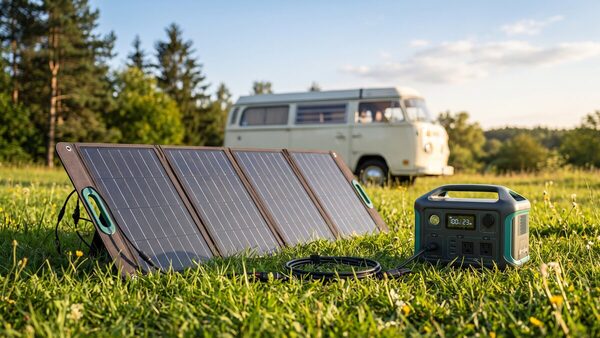
This is the solution with the wind in its sails, and for good reason. A power station is completely silent, gives off no fumes, and can therefore be used inside the vehicle safely. You recharge it from a campsite hook-up, from the cigarette lighter while driving, or from the sun with solar panels.
- Pros: total silence, zero emissions, indoor use, solar charging, no maintenance, instant to operate.
- Cons: runtime limited by its capacity (it has to be recharged), and a higher purchase cost for large capacities.
It is the ideal choice for anyone seeking comfort and quiet, especially at rest areas and campsites where noise is frowned upon, or even banned.
The generator: the endurance of fuel
The generator, for its part, plays the endurance card. As long as you have fuel, it produces electricity, with no time limit. Modern inverter models deliver a stable, clean current for electronics, with high continuous power.
- Pros: near-unlimited runtime (with fuel), high continuous power, ideal for heavy needs or long off-grid periods.
- Cons: noise (even quiet models are audible), exhaust fumes, outdoor use only, engine maintenance, carrying fuel.
The match in one table
| Criterion | Power station | Generator |
|---|---|---|
| Noise | Silent | Noisy |
| Emissions | None | Exhaust gases |
| Indoor use | Yes | No (outdoor only) |
| Runtime | Limited (recharge needed) | Unlimited with fuel |
| Solar charging | Yes | No |
| Maintenance | None | Engine, fuel |
| Campsites | Accepted everywhere | Often restricted or banned |
Which use for which choice?
It all depends on how you travel:
- Weekends and short stays, moderate needs (charging devices, lighting, fridge, router): the power station is perfect, silent and hassle-free.
- Long fully off-grid periods, heavy needs (greedy appliances, several days with no way to recharge): the generator keeps the endurance advantage.
- Stays at campsites or rest areas: the power station wins, because generators are often poorly tolerated there due to noise.
The fridge you choose also affects this equation: a modern compressor model, more efficient than an older absorption unit, reduces the station's workload accordingly. Our partner all-cool.net, a specialist in nomadic cooling, covers this technology shift for vans and motorhomes in detail.
The rising hybrid solution
More and more travellers adopt a combined approach: a power station recharged by solar panels. The sun tops up the station during the day, and you enjoy total silence in the evening. For many motorhome uses, this duo advantageously replaces the generator.
To size your setup well, take a look at our portable solar panels and our station comparison EcoFlow Delta 2 vs Bluetti AC180. The generator, for its part, stays relevant as a backup or for very large occasional needs.
Our verdict for motorhomes
For the vast majority of motorhome owners, the power station, ideally paired with solar, is today the best choice: silence, cleanliness, simplicity and campsite compatibility. The generator remains the unbeatable answer when you need continuous power over long periods, far from everything, provided you deal with the noise and fumes.
The right reflex: estimate your real daily consumption, then choose the solution (or combination) that covers it without excess. Your comfort on the road depends on it.
The fridge is often the first appliance to power in a motorhome: our sister site All Cool covers the ongoing miniaturisation of compressor fridges for vans and campervans.